News
National Dialogue timeline shifts as elections loom
National Dialogue timeline shifts as elections loom
South Africa’s much-anticipated National Dialogue may no longer happen in the first half of 2026 as initially promised, with government now signalling that the process could spill over until after the next local government elections.
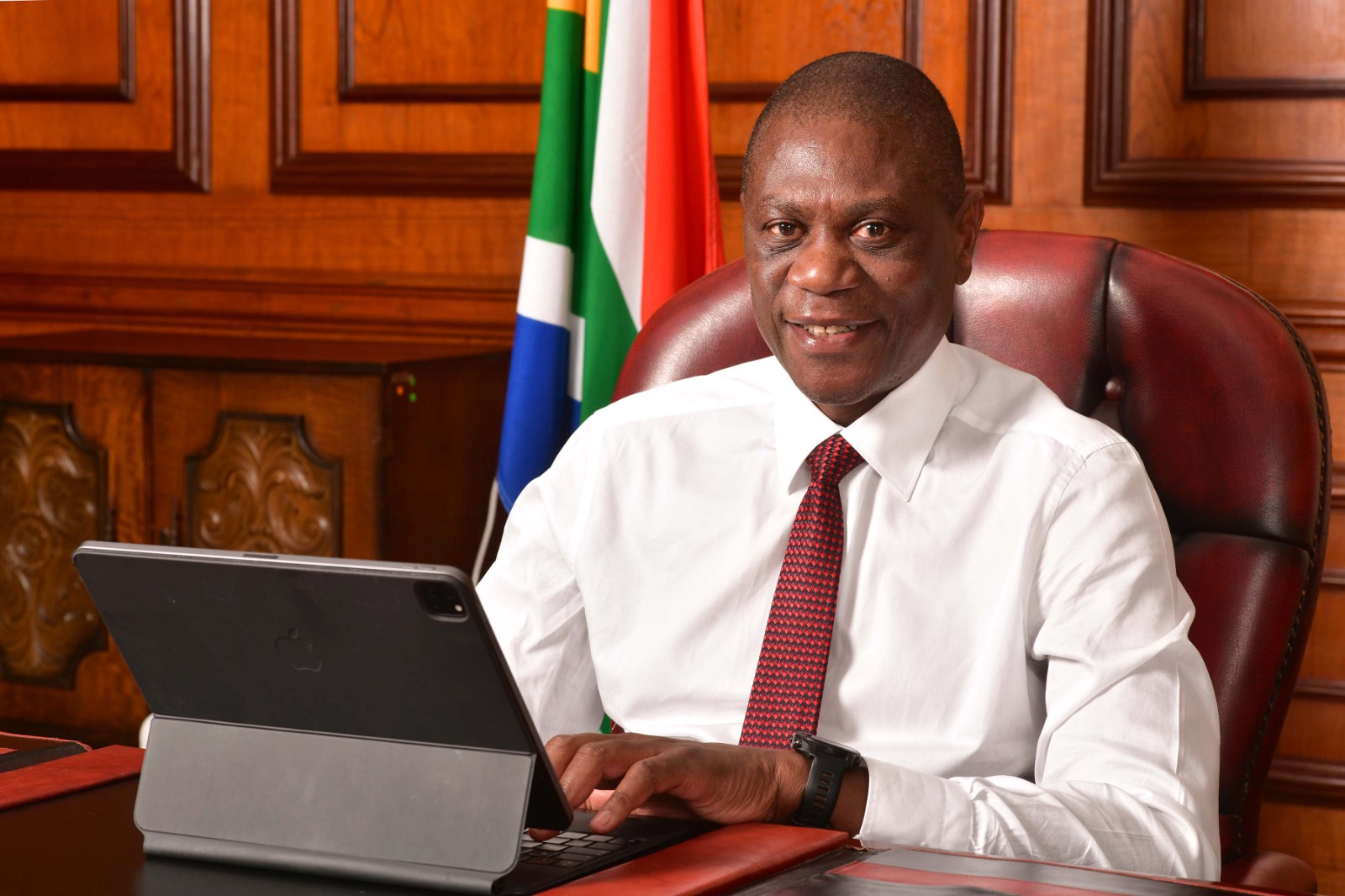
Deputy President Paul Mashatile confirmed the possible delay during the National Dialogue Steering Committee (NDSC) induction session held over the weekend at Unisa’s Muckleneuk campus in Pretoria. The two-day session brought together the 99-member steering committee tasked with shaping what government has billed as a nationwide reset conversation.
While no firm new date has been set, Mashatile indicated that the scale of work required, combined with election pressures, may force a pause in the dialogue process.
A massive national undertaking
The induction marked the formal handover from the Convention Organising Committee to the NDSC, which is now responsible for developing a practical roadmap and phased plan for dialogues across the country.
The session included members of the Eminent Persons Group, the steering committee and the dialogue’s secretariat, all of whom will play a role in coordinating consultations across communities, sectors and regions.
Mashatile, who chairs the Inter-Ministerial Committee on the National Dialogue, described the process as far more than a single event.
Through his spokesperson Keith Khoza, he said onboarding society at every level would require an “extraordinary effort”, from urban centres to the most marginalised communities.
Elections complicate the calendar
One of the main reasons for a potential postponement is the overlap with local government election preparations. Although the election date has not yet been announced, the current councils’ five-year term ends on 1 November 2026, placing the polls firmly on the 2026 calendar.
Mashatile said voter registration drives and election campaigning would demand significant public attention.
“At a certain point, the dialogue work will be paused in favour of election work,” he said, noting that both processes require deep public involvement and organisational capacity.
Why the National Dialogue matters
The National Dialogue was convened to confront some of South Africa’s most persistent challenges, including poverty, inequality, crime and slow economic transformation, by bringing together government, business, labour and civil society.
The first session, known as the First National Convention, took place from 15 to 16 August 2025, also at Unisa. The second phase was originally planned for early 2026, with a stronger focus on practical outcomes rather than talk.
For many South Africans, the dialogue has been framed as an opportunity to rebuild trust in public institutions at a time of growing frustration over service delivery and governance.
Cost, transparency and public trust
The total projected cost of the initiative is R450 million, with R270 million funded by taxpayers through the Department of Planning, Monitoring and Evaluation. The remainder is expected to come from the private sector.
Mashatile stressed that transparency would be critical.
“How resources are utilised must be transparent and there should be proper accountability,” he said, adding that government remains committed to completing the process.
Public reaction and expectations
On social media, reactions have been mixed. Some users welcomed the emphasis on proper preparation, while others questioned whether a delay risks weakening momentum or turning the dialogue into another drawn-out political exercise.
In a post on X, the National Dialogue structures said the induction clarified how the various bodies would work together and promised clearer, verified communication going forward.
President Cyril Ramaphosa, meanwhile, has urged the steering committee to ensure the dialogue remains citizen-led, inclusive and well organised.
“The people of this country need to take ownership of this process,” Ramaphosa said.
Whether delayed or not, the real test for the National Dialogue may be whether it delivers tangible outcomes and whether South Africans still believe their voices will genuinely shape the country’s future.
{Source: IOL}
Follow Joburg ETC on Facebook, Twitter , TikTok and Instagram
For more News in Johannesburg, visit joburgetc.com