News
South Africa’s Sanitary Pad Brands Face NCC Probe After Chemical Concerns
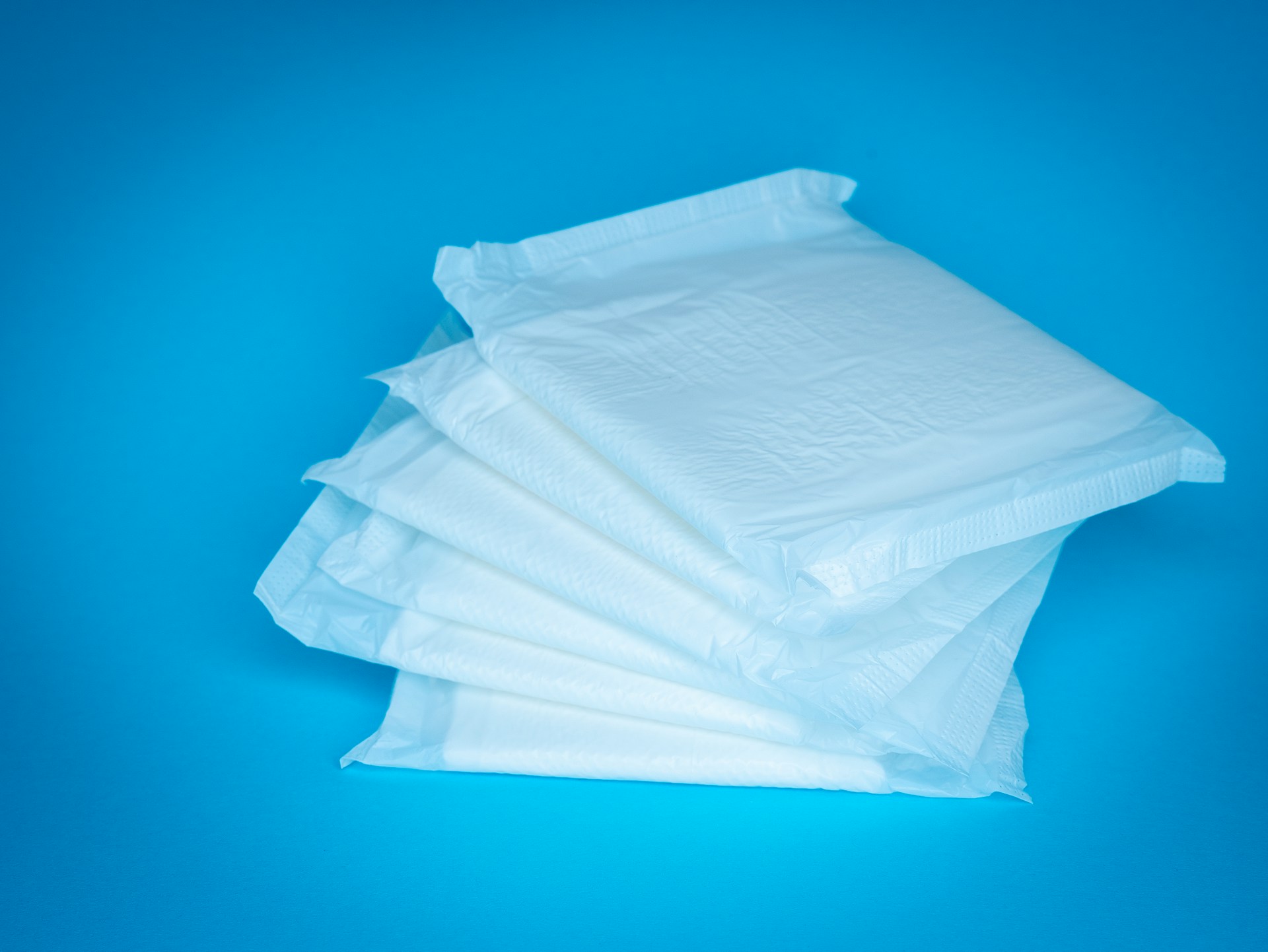
For millions of South African women and girls, sanitary pads are more than just a product. They are a monthly lifeline that must be safe, reliable and trusted. So when new local research flagged the presence of potentially harmful chemicals in some sanitary pads and panty liners sold in the country, the National Consumer Commission (NCC) stepped in quickly.
A Study That Sparked Concern
The concern began with a study by the University of the Free State titled The Presence of Endocrine Disrupting Chemicals in Sanitary Pads: A Study Done in South Africa. Researchers detected endocrine-disrupting chemicals, or EDCs, in certain products. These include parabens, phthalates and bisphenols, substances that global scientific literature has linked to hormonal imbalances, fertility issues, endometriosis and some cancers.
For a country where menstrual hygiene is already a barrier for many, the possibility that commonly used brands could carry chemical risks has amplified public anxiety.
Brands Now Under The Microscope
The NCC has now launched a formal investigation into several major suppliers named in the study. These include:
-
Kimberly-Clark SA (Kotex)
-
Procter & Gamble (Always)
-
Anna Organi
-
The Lion Match Company (Comfitex)
-
Here We Flo (Flo)
-
Johnson & Johnson (Stayfree)
-
Premier Group (Lil-lets)
-
Essity Hygiene and Health AB (Libresse South Africa)
-
My Time
The Commission will assess whether these brands comply with the Consumer Protection Act, particularly Sections 55 and 24, which state that goods must be safe, of good quality and free from defects.
What The Investigation Will Look At
To determine whether corrective action is needed, the NCC will require brands to conduct further testing or submit recent lab reports specifically focused on EDCs. Once the results are reviewed, the Commission may consider product recalls under Section 60 of the Act.
Acting Commissioner Hardin Ratshisusu emphasised the urgency of the probe, noting that menstrual products affect millions of South Africans every month. The findings, he said, raise serious questions about long-term health impacts and must be addressed swiftly and transparently.
Why This Matters For Women’s Health
While endocrine-disrupting chemicals feature in numerous everyday products, the concern becomes sharper with menstrual items due to prolonged, intimate contact. For decades, women have raised questions globally about what goes into sanitary pads, often pointing out the lack of clear ingredient labelling. In South Africa, where many rely on affordable brands or government-supplied pads, ensuring product safety is non-negotiable.
This investigation also highlights a broader issue: the need for stronger oversight and clearer consumer information in the personal care sector. South African consumers rarely have access to detailed ingredient lists for menstrual hygiene products, unlike in some international markets where transparency is increasingly being demanded.
A Possible Turning Point For The Industry
The NCC has confirmed it is engaging other regulators to broaden the review. Depending on the findings, this could reshape safety standards across the entire feminine hygiene market in South Africa.
For now, suppliers will be given the opportunity to respond to the concerns and submit evidence before any decisions are made. But one thing is clear: the conversation around women’s health and product accountability is gaining overdue momentum.
As the investigation unfolds, the spotlight will remain firmly on companies to prove that the products millions depend on every month are as safe as consumers have always assumed.
{Source:The South African}
Follow Joburg ETC on Facebook, Twitter , TikTok and Instagram
For more News in Johannesburg, visit joburgetc.com