News
MK Party slams Ramaphosa’s Ndwedwe housing rollout as election stunt
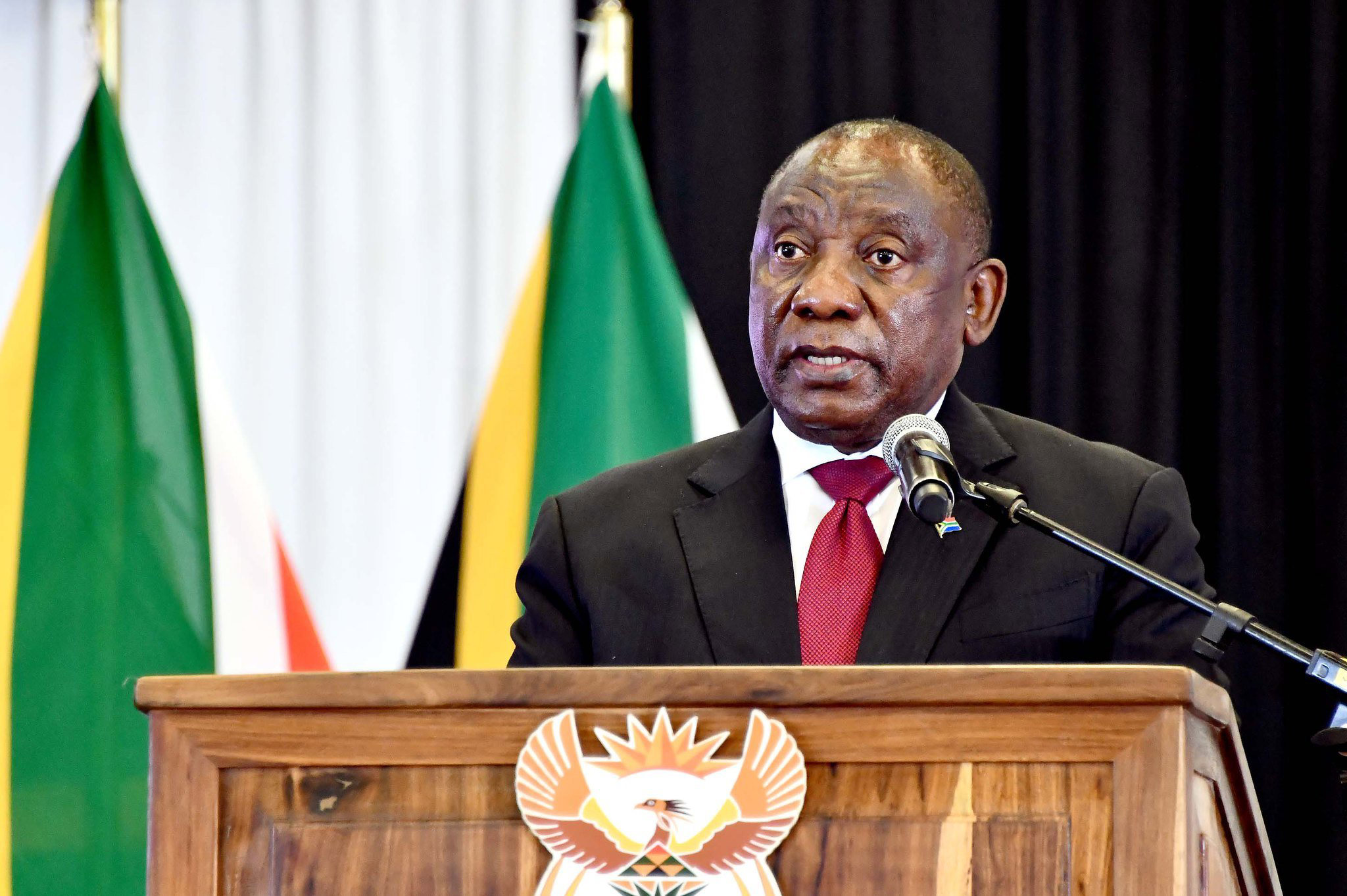
Nearly three decades after the Truth and Reconciliation Commission set out its recommendations, a long-delayed promise has finally begun to take shape in Ndwedwe. For 220 verified victims of apartheid-era violence, housing assistance is now on the table.
The uMkhonto weSizwe Party has come out strongly against President Cyril Ramaphosa’s recent announcement, arguing that the timing is politically motivated.
A long wait for recognition
Ndwedwe carries a heavy history. In the late 1980s and early 1990s, the area was among those hardest hit by political violence. Homes were burned, families were uprooted, and entire communities were left fractured.
Now, after years of waiting, affected residents are set to receive state housing support. This includes once-off grants or the construction of new homes. Symbolic cheques worth R40 million were handed over during the announcement, with more than half already distributed through the President’s Fund to some beneficiaries.
For many, it is a long-overdue step toward restoring dignity.
Political heat ahead of elections
The MK Party has labelled the rollout a calculated move ahead of the 2026 local government elections. According to spokesperson Nhlamulo Ndhlela, the gesture feels less like justice and more like strategy.
He argues that the African National Congress had decades to act on TRC recommendations but delayed meaningful implementation. In his view, delivering housing assistance now, after so many victims have already passed on, weakens the sincerity of the gesture.
The bigger question of reparations
At the centre of the debate is not just Ndwedwe, but what reparations should look like in South Africa today.
The MK Party has called for a more expansive approach, one that goes beyond individual payouts. Their position includes land restoration, broader community upliftment, and full accountability for past violations.
They argue that while 220 beneficiaries will receive assistance, millions of others, including descendants of those affected, continue to live without adequate housing or access to land. In this context, the Ndwedwe intervention is seen as limited in addressing the scale of historical harm.
The road ahead
Ndwedwe has once again brought the unfinished business of the TRC into focus. The conversation remains centred on how the country addresses past injustices in practical terms.
As South Africa moves closer to the 2026 elections, developments like this carry both political and social weight. For the people of Ndwedwe, however, the issue remains deeply personal. After years of waiting, the focus now is on whether this support marks the beginning of more sustained change.
Follow Joburg ETC on Facebook, Twitter, TikT
For more News in Johannesburg, visit joburgetc.com
Source: IOL
Featured Image: MSN