News
Jobs vs. Justice: Nersa Approves Hefty Tariff Cut for Major Smelters, Sparking Subsidy Debate
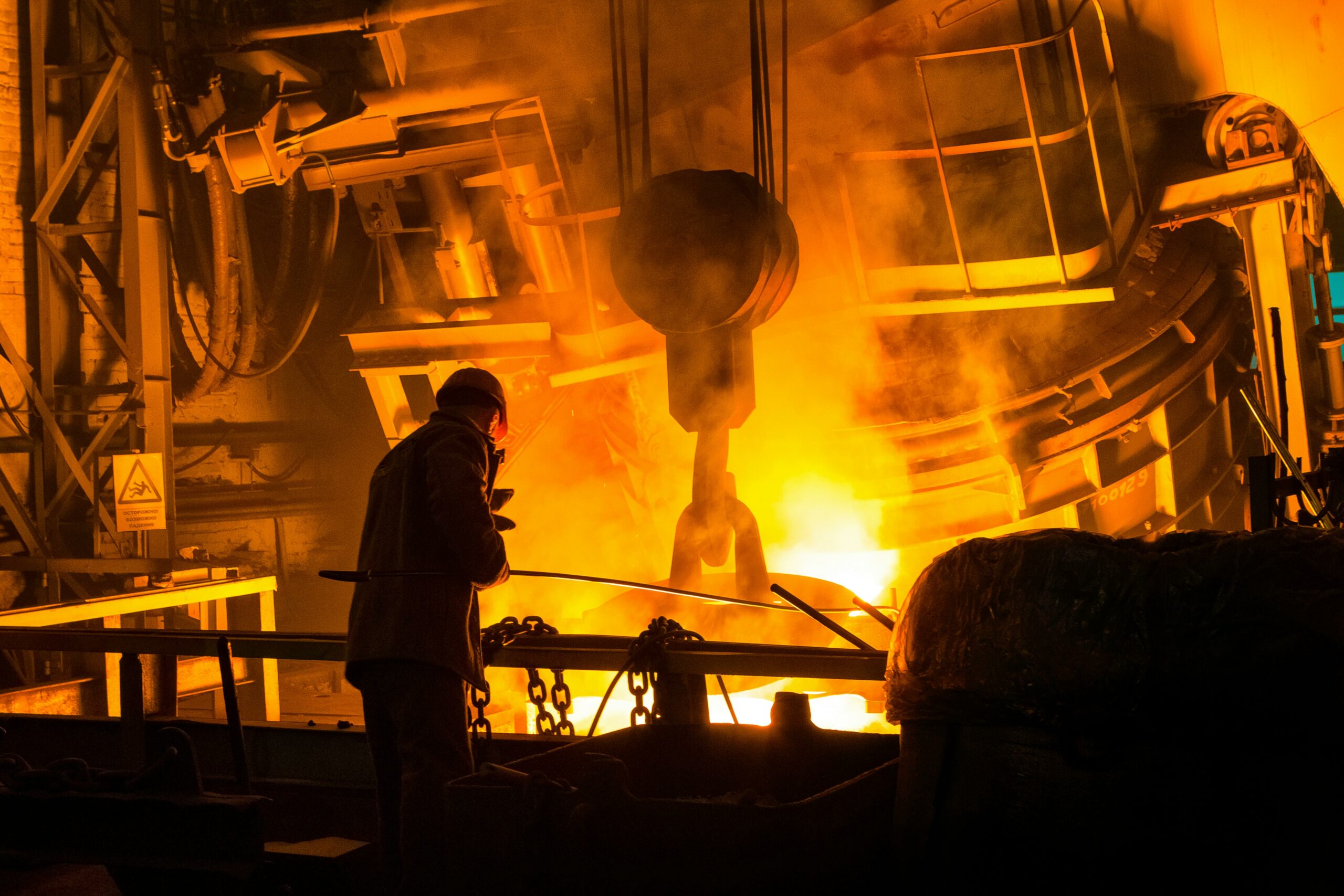
In a high-stakes decision to prevent industrial collapse, the National Energy Regulator of South Africa (Nersa) has approved a drastic emergency tariff cut for two of the country’s largest smelters. From January until December this year, the Glencore-Merafe and Samancor operations will pay 87 cents per kilowatt-hour for electricitya sharp drop from their current rate of 136c/kWh, which was already discounted.
The move, confirmed on 29 January, is explicitly designed to save “thousands of direct and indirect jobs” in the ferrochrome and manganese sectors, where electricity constitutes a crippling portion of operating costs. Without relief, Eskom’s high tariffs would render the smelters uncompetitive globally, likely forcing their permanent closure.
A State-Funded Lifeline with Conditions
The discount comes with a critical caveat: it is contingent on the approval of a government funding mechanism to bridge the financial gap for Eskom. The utility assured Nersa that progress is being made with the Department of Electricity and Energy to finalise this mechanism, and that no additional burden will fall on other electricity users.
However, this assurance exists alongside a stark reality revealed in a Nersa committee meeting: other customers are currently subsidising these two companies to the tune of a staggering R6.5 billion per month. The new 87c/kWh rate only covers Eskom’s variable costs and some legacy chargesit does not contribute to fixed costs, meaning the subsidy continues, albeit under a new arrangement.
The Precarious Balance: Saving Jobs vs. Fairness
Eskom and the companies argued that the intervention is a necessary evil. The committee heard that if the smelters shut down, the cost shift to remaining customers would balloon to an estimated R12 billion, a figure that would rise if other struggling smelters followed suit. The deal is also a stepping stone; a Memorandum of Understanding aims to lower the tariff further to 62c/kWh by the end of February.
Nersa’s decision applies only to Glencore-Merafe and Samancor for now. Applications from other smelters “pleading the same hardship” will be considered separately when submitted. The regulator also did not rule on an Eskom application to extend a separate exemption from minimum electricity purchase volumes, which expires at the end of January, because the utility submitted it too late for due process.
The Unresolved Questions
The arrangement lays bare the fragile state of South Africa’s energy-intensive industry and the extreme measures needed to sustain it. While it averts immediate job losses, it entrenches a system of bespoke pricing and raises profound questions about long-term sustainability and equity.
Is this a vital lifeline for strategic industries and employment, or does it perpetuate a cycle of selective bailouts? The answer depends on whether the government’s funding mechanism materialises transparently and whether the reprieve is used to build a more competitive and efficient industrial future, rather than merely postponing a reckoning. For now, the furnaces will stay on, but the debate over who truly pays to keep them burning is just getting heated.
{Source: MoneyWeb}
Follow Joburg ETC on Facebook, Twitter , TikTok and Instagram
For more News in Johannesburg, visit joburgetc.com