City Updates
When the taps run dry: Gauteng’s water crisis calls for accountability
When the taps run dry: Gauteng’s water crisis calls for accountability
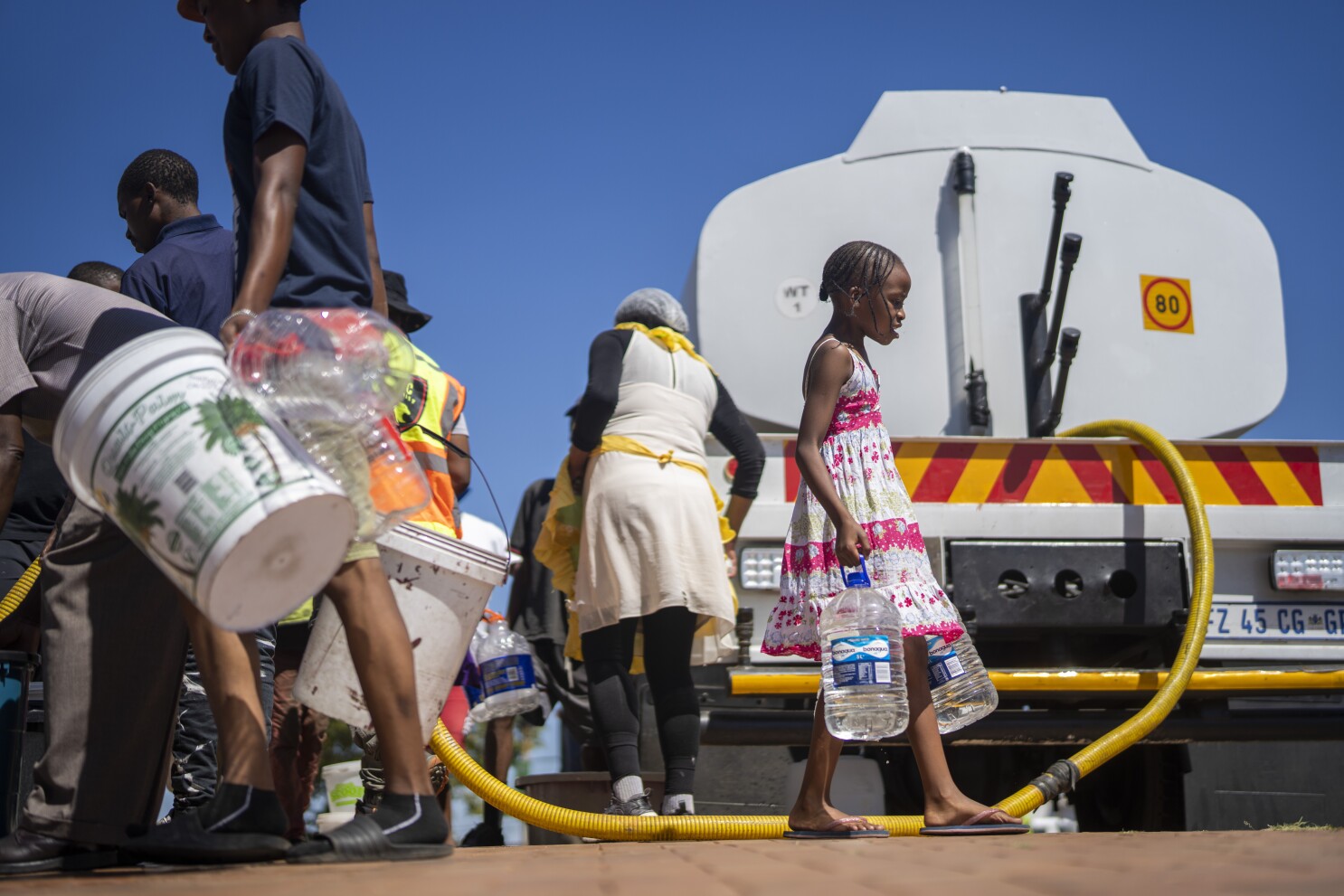
Gauteng’s ongoing water shortages aren’t a sudden shock, they are the predictable outcome of aging infrastructure, fragmented governance, and deferred maintenance. What makes the situation worse, however, is not just failing pipes or stressed reservoirs, but a persistent failure in communication and leadership.
Residents in parts of Johannesburg, Midrand, and Soweto have endured dry taps for days at a time, while municipalities scramble to restore supply. Rand Water’s bulk system, already under strain from growing demand, aging infrastructure, intermittent power cuts, and municipal distribution losses, has been pushed to the limit. In some areas, non-revenue water exceeds 40% due to leaks, illegal connections, faulty meters, and weak billing systems. These are not new problemsthey’ve been highlighted in Auditor-General reports and municipal performance reviews for years.
The need for institutional ownership
South Africa’s water governance is deliberately spread across three spheres: the Department of Water and Sanitation (DWS) manages policy and bulk supply; Rand Water handles bulk distribution; and municipalities are responsible for reticulation. In theory, cooperative governance should prevent blame games. In practice, leadership has often appeared defensive and fragmented, with Premier, Mayor, and national ministers failing to present a unified response.
Experts argue for a clear, coordinated command structure: one that defines responsibility for immediate demand management, emergency repairs, budget allocations, and performance tracking. Ownership isn’t about taking the blame for every burst pipeit’s about ensuring institutions function effectively.
Transparency: sharing the data
A water crisis is not solved through reassurance aloneit requires technical transparency. Citizens and businesses need clear, public information on reservoir levels, system capacity, pumping constraints, and restoration timelines. Operational dashboards exist at DWS, Rand Water, and municipalities, but simplified and regularly updated metrics are rarely shared.
Transparency isn’t just a communication toolit’s a confidence builder. Showing litres per capita, maintenance backlogs, and reductions in non-revenue water would demonstrate seriousness, not weakness.
Time-bound solutions
Infrastructure crises fail when promises lack timelines. Gauteng needs phased recovery plans, including:
-
30-day emergency stabilisation measures
-
90-day accelerated maintenance programmes
-
Medium-term rehabilitation tied to budgets and performance indicators
Each phase must assign accountable officers, with public reporting on progress. Without enforceable timelines, communication risks being performative; with them, it becomes a mechanism for institutional discipline.
Structural reforms are unavoidable
Beyond immediate fixes, Gauteng’s water challenges reveal structural deficits:
-
Financially fragile municipalities struggle to reinvest in maintenance
-
Skills gaps in engineering and asset management hinder long-term planning
-
Incomplete infrastructure asset registers compromise lifecycle management
These systemic weaknesses demand reform, not defensiveness. Provincial leadership, though not a Water Services Authority, has an oversight mandate that could help monitor municipal performance, facilitate technical support, and escalate persistent failures to national intervention.
Building resilience for the future
Urban growth, climate variability, and concentrated economic activity mean demand management cannot be episodic. Long-term resilience requires leakage reduction, smart metering, pressure management, wastewater reuse, and diversified water sources. These measures are costly, but essential. Communicating a credible multi-year plan would show that leadership sees the crisis not as a momentary hiccup, but as a structural challenge.
Defensive rhetoric may protect reputations temporarily, but competence and transparency build trust. Citizens don’t expect instant fixesthey expect honesty, coordination, and evidence of disciplined execution.
Gauteng’s water crisis is more than an operational problemit’s a test of institutional accountability. The taps can be repaired; the real question is whether governance will be strengthened in the process.
The public will judge not the excuses, but the results.
{Source: IOL}
Follow Joburg ETC on Facebook, Twitter , TikTok and Instagram
For more News in Johannesburg, visit joburgetc.com