City Updates
WaterCAN Calls for Disaster Declaration as Johannesburg’s Water Crisis Reaches Breaking Point
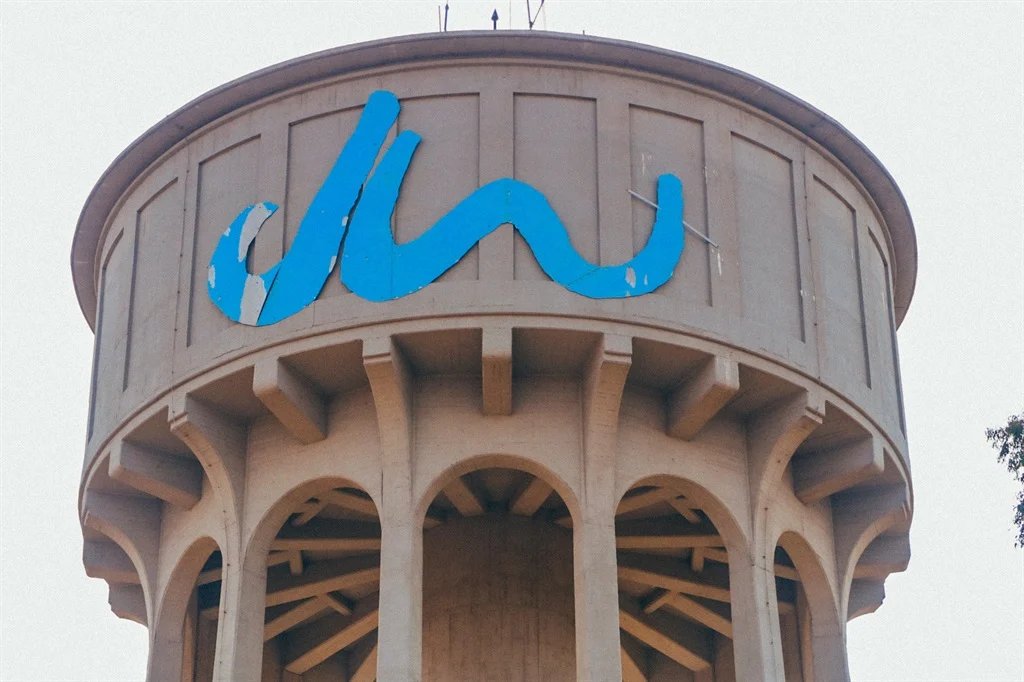
Johannesburg’s ongoing water crisis has taken a severe turn, with outages stretching past the 20 day mark in parts of the city. Now, advocacy group WaterCAN says enough is enough and wants Johannesburg declared a disaster area.
The Breaking Point: Communities Running Dry
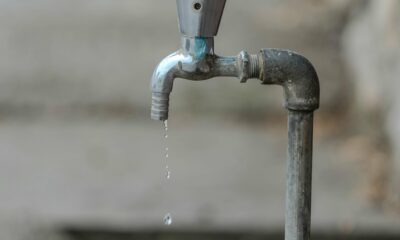
In neighbourhoods such as Emmarentia and Parktown, taps have been bone dry for weeks. Some residents have been counting the days like a calendar of frustration, forced to queue for water tankers or rely on neighbours just to keep households functioning.
A major culprit is the prolonged issue at Hursthill Reservoir 2, where a crack has affected supply stability since November. Johannesburg Water says teams are still working to stabilise the system, but residents say the crisis has long since outgrown small-scale repair work.
Parktown West resident Hermien Geldenhuys says her community reached its twenty-first day without water on Tuesday. For her, this has become a repeating cycle rather than an isolated emergency. “This nightmare started two years ago simply because of our location,” she said, describing a long-term struggle that has slowly worn down families, businesses and the elderly.
Why WaterCAN Says Joburg Is Heading Toward Day Zero
According to WaterCAN Director Ferriel Adam, the problem is not rainfall or dams. It is governance. He says Johannesburg is living under the threat of a localised Day Zero, citing years of neglected planning, poor maintenance and accountability failures.
Adam warned that the current crisis is rooted in structural issues that were never properly addressed. “People are now queuing for tankers, fighting for water, and the vulnerable are being left with nothing,” he said, calling for national intervention before the situation spirals further.
In a city that prides itself on being Africa’s economic engine, the thought of long-term water shortages is especially alarming. Reliable water access affects everything from clinics and schools to restaurants, construction sites and everyday family routines. With some areas dealing with weeks-long outages, the pressure on backup systems and tankers is already showing cracks.
A City Under Strain
Joburg has dealt with water outages before, but this wave feels different. The duration, geographic spread, and recurring nature of the crisis paint a picture of infrastructure that can no longer cope with demand.
The city is also heading into the hotter months of the year, traditionally a period when consumption spikes, further exposing weaknesses in the network. Communities have started organising WhatsApp groups to share water, track tanker movements and support elderly neighbours who cannot stand in long queues.
What Happens Next?
Declaring Johannesburg a disaster area would trigger emergency powers, potentially unlocking national funding and fast-tracked infrastructure support. It would also formally acknowledge what residents have been living through: a crisis that is no longer a temporary inconvenience but a citywide emergency.
For now, residents wait as repairs continue and advocacy groups push for stronger intervention. Whether or not a disaster declaration is made, one thing is clear. Johannesburg is facing a watershed moment, and the decisions made in the coming weeks will shape how the city navigates its future water security.
{Source:EWN}
Follow Joburg ETC on Facebook, Twitter , TikTok and Instagram
For more News in Johannesburg, visit joburgetc.com