City Updates
Residents ‘angry and exhausted’ as Johannesburg’s water crisis refuses to ease
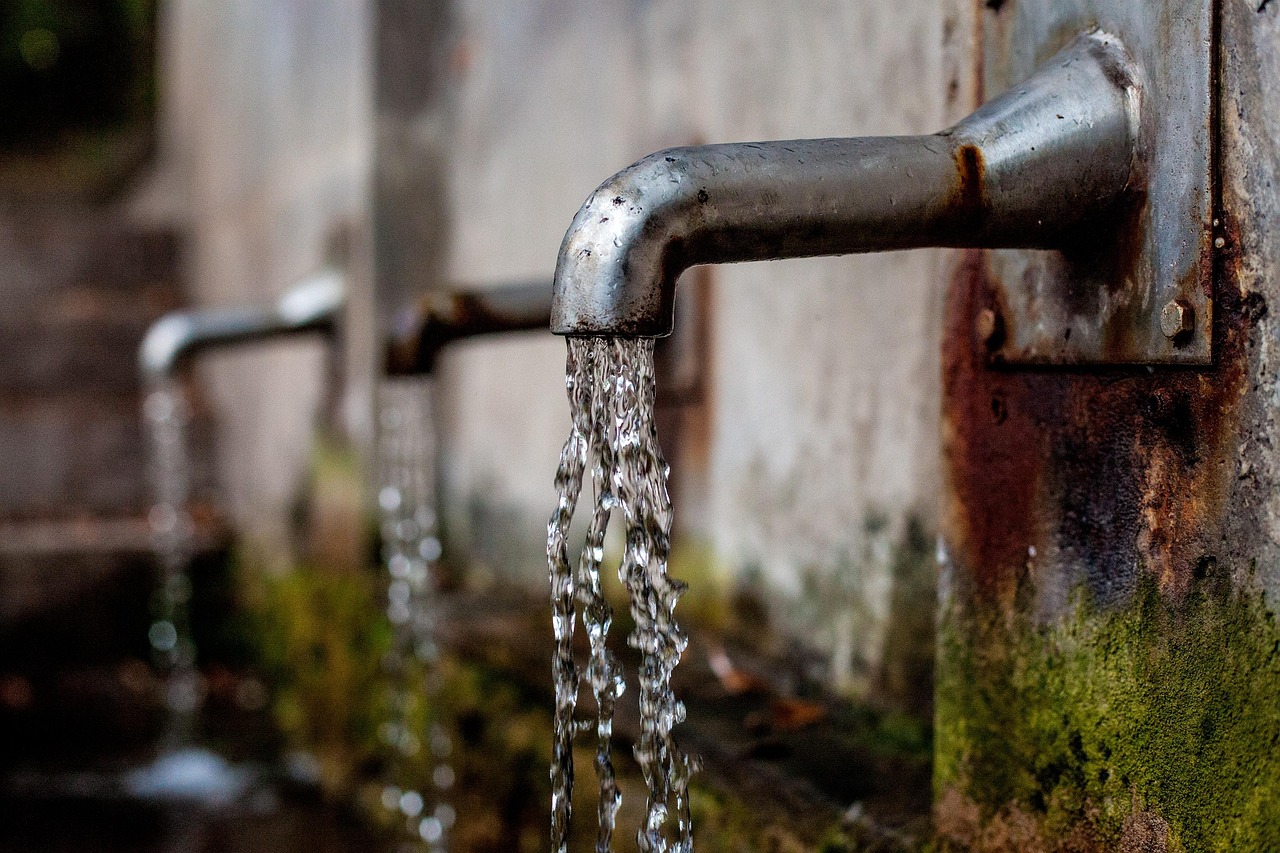
Johannesburg’s water crisis is no longer just about dry taps, it’s about trust wearing thin.
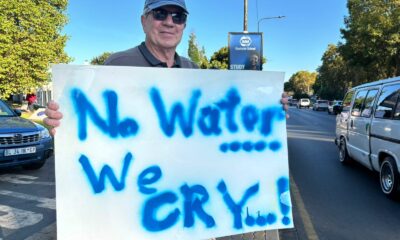
Across the city, residents say they are physically drained, emotionally fed up and increasingly angry as water outages stretch from days into weeks, and in some areas, months. On Tuesday, that frustration spilled onto the streets, with residents in Midrand staging a peaceful protest while communities in Laudium voiced similar anger over yet another stretch without water.
‘A system that can’t cope’
Water advocacy group WaterCAN has described the situation as the symptom of a deeper, city-wide failure.
According to the organisation, some suburbs have been left without reliable water for alarming periods. Melville and Meldene residents endured about two weeks without supply, while parts of Selby have faced intermittent or no water for nearly five months. Midrand, already familiar with shortages, has now been hit by another major disruption linked to bulk supply constraints.
“These are not isolated incidents,” said WaterCAN executive director Ferrial Adam. “They reflect a fragile, poorly maintained system that cannot cope when failures occur.”
Infrastructure failures and a communication breakdown
Adam acknowledged that the current wave of outages was triggered by serious infrastructure problems, including an explosion at a pump station and a major leak at a Rand Water reservoir. She also noted that Johannesburg Water is operating within an ageing and overstretched reticulation system.
But she was blunt about what residents find hardest to accept.
“Infrastructure failure does not excuse silence,” Adam said, criticising what she called institutional indifference and a lack of public accountability. “People are not only angry because there is no water. They are angry because no one is explaining honestly and clearly what is going on.”
On social media, that sentiment is echoed daily, with residents sharing empty tanks, dry taps and sarcastic memes about having to “schedule life around water”.
Calls for daily public briefings
WaterCAN has now called on the minister of water and sanitation to push Rand Water to communicate directly with residents during extended outages. It has also urged Johannesburg mayor Dada Morero to ensure Johannesburg Water does the same.
Among the proposals: daily, time-bound public briefings from senior management at both Rand Water and Johannesburg Water. These updates, WaterCAN says, should clearly explain technical problems in plain language, give realistic recovery timelines and serve as a single trusted source of information.
“Civil society and residents are not peripheral stakeholders,” Adam said. “They carry the full social, economic and health costs.”
What caused Midrand’s latest shutdown?
Briefing the media on Tuesday, Morero said Midrand’s water cuts were the result of a chain of incidents in Rand Water’s bulk supply system over the past week.
Emergency repair work at the Palmiet pump station began on 26 January. While initially expected to be brief, technical delays extended the repairs. A power trip at Rand Water’s Zuikerbosch treatment plant the following day then reduced supply to key systems, including Eikenhof and Zwartkoppies. Another power failure at Palmiet on 31 January compounded the problem.
Critically low water levels at the Klipfontein reservoir which supplies Midrand followed. A leak discovered at the reservoir on 1 February was repaired, with commissioning completed the next day.
Areas affected included Erand, President Park, Grand Central, Rabie Ridge and Diepsloot. Morero said some reservoirs were now showing improvement, with outlets opened gradually to stabilise supply, especially to higher-lying areas.
Rand Water: ‘Demand is pushing the system’
Rand Water says its systems have fully recovered and pumping is now operating at full capacity. The utility currently produces about 5 000 million litres of water a day, with 77% consumed by Johannesburg, Tshwane and Ekurhuleni.
However, it warned that persistently high water consumption, particularly in Johannesburg and Tshwane is placing severe strain on the network. Growth in both formal and informal settlements, especially in Midrand, continues to slow recovery when outages occur.
While Rand Water says it is working closely with metros and that upgrades are under way, residents remain sceptical.
For many Joburgers, the crisis has become a harsh reminder of how fragile daily life becomes when basic services fail and how quickly public patience runs out when explanations don’t follow.
{Source: Mail & Guardian}
Follow Joburg ETC on Facebook, Twitter , TikTok and Instagram
For more News in Johannesburg, visit joburgetc.com