City Updates
Lesufi under pressure as Gauteng battles water cuts and Tembisa hospital fallout
Lesufi under pressure as Gauteng battles water cuts and Tembisa hospital fallout
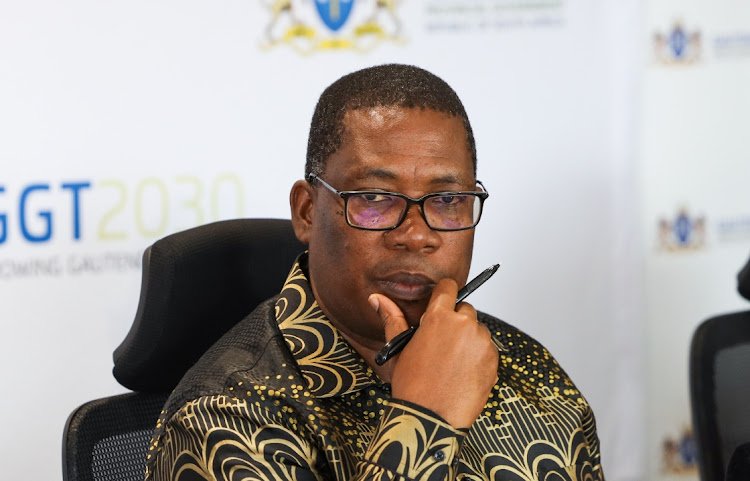
When Gauteng Premier Panyaza Lesufi steps up to the podium at the Nasrec Expo Centre on Monday night, he won’t just be delivering another State of the Province Address.
He’ll be facing a province that’s thirsty, frustrated and demanding answers.
A province running dry
The Gauteng water crisis has moved from inconvenience to emergency in many communities. In parts of Johannesburg, residents say taps have been dry for days, sometimes weeks. Water tankers have become a common sight in suburbs and townships alike.
Civil society group WaterCan has warned that some areas are effectively living under “Day Zero” conditions, a phrase that still sends shivers down spines after Cape Town’s near-catastrophe a few years ago.
Lesufi previously blamed power failures, vandalism at pumping stations and broader infrastructure decay for the crisis. During last year’s address, he promised urgent intervention and a zero-tolerance approach to corruption.
But opposition parties, particularly the Democratic Alliance, say little has changed. On social media, the mood is blunt: residents are tired of speeches and want working taps.
The R2 billion question at Tembisa
If water is one storm cloud hanging over the address, the looting at Tembisa Hospital is another.
Investigations by the Special Investigating Unit uncovered corruption worth more than R2 billion at the hospital, identifying at least three major syndicates. Yet critics argue that few senior officials have faced meaningful consequences.
The scandal carries deep emotional weight. It echoes the warnings raised by whistleblower Babita Deokaran, who flagged irregular payments linked to the hospital before her assassination in 2021. For many South Africans, her name symbolises the cost of speaking out.
Lesufi did suspend Gauteng Health Department head Lesiba Arnold Malotana in October 2025 after revelations of a procurement syndicate. But critics say the broader system remains intact and vulnerable.
“It’s institutional failure”
Political analyst Sandile Swana has argued that the crisis goes beyond isolated wrongdoing. In his view, Gauteng’s problems are rooted in institutional weakness, from failing infrastructure departments to inconsistent political leadership in metros like Johannesburg and Tshwane.
Even when there is water in the system, ageing pipes, poor maintenance and weak technical capacity mean it doesn’t reach households.
“It’s about the quality of leadership and administration,” Swana has said, arguing that both political and technical appointments need urgent reform.
Professor Andre Duvenhage has echoed similar concerns, saying Lesufi must clearly outline how safety, accountability and governance will be restored, not only at Tembisa Hospital but across the province.
What Lesufi is expected to say
Provincial government spokesperson Elijah Mhlanga says the premier will address the water challenges and update residents on steps already taken.
That’s the easy part.
The harder task will be convincing a sceptical public that this time, the follow-through will match the rhetoric.
Gauteng is South Africa’s economic engine. When its infrastructure falters or its hospitals are hollowed out by corruption, the impact ripples far beyond provincial borders.
As Lesufi prepares to speak, many residents are asking the same question: will this be another well-crafted speech or the start of real repair?
On Monday night, the province will be listening closely.
{Source: IOL}
Follow Joburg ETC on Facebook, Twitter , TikTok and Instagram
For more News in Johannesburg, visit joburgetc.com