City Updates
Lesufi unveils AI campus to position Gauteng at forefront of digital future
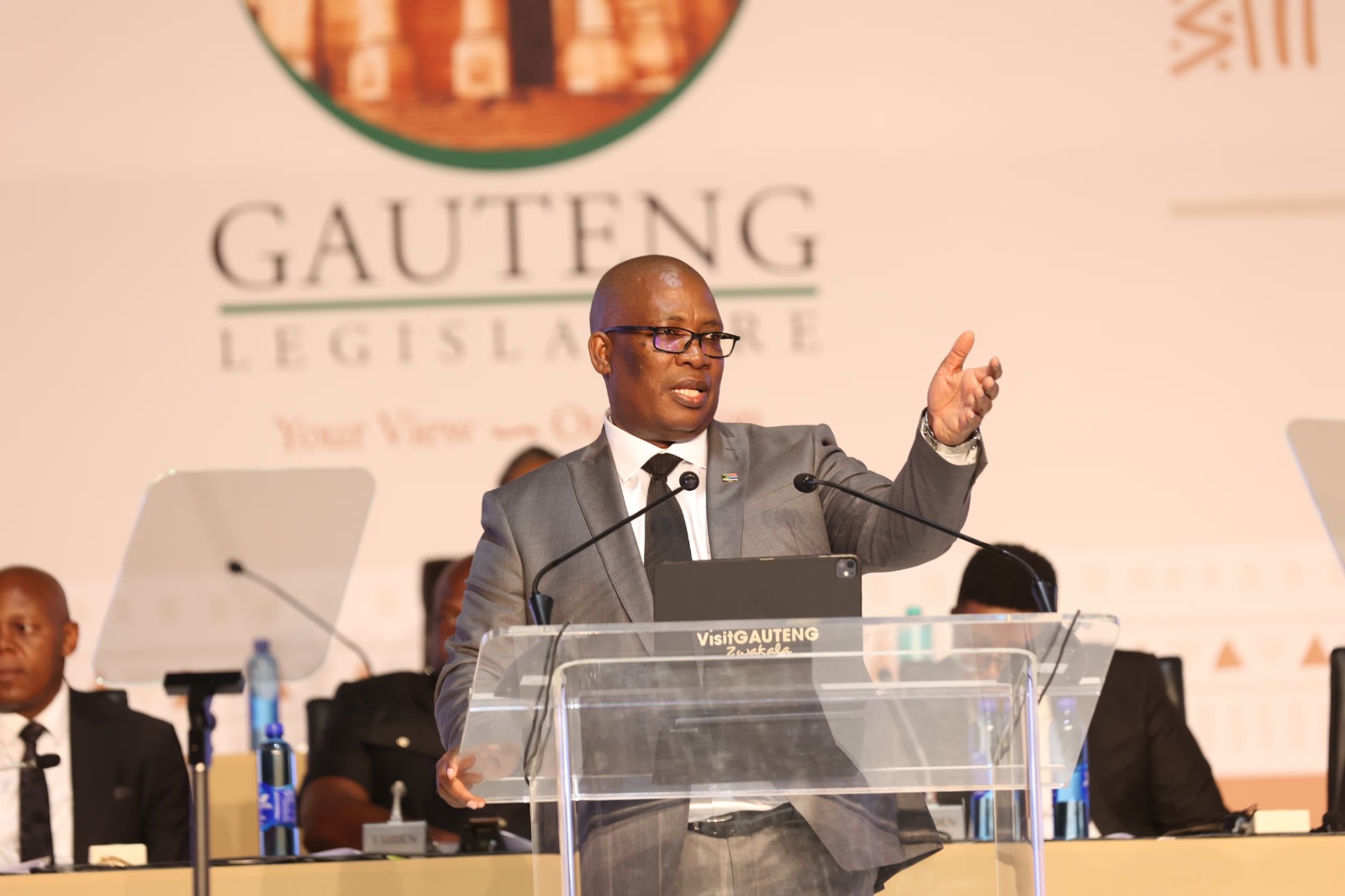
When Premier Panyaza Lesufi stepped up to the podium at Nasrec for Gauteng’s 2026 State of the Province Address, it was clear he wanted to send a message. Not just about roads, hospitals, or budgets, but about the future. A digital one.
At the centre of that vision is a new Artificial Intelligence campus, donated by Telkom, aimed at preparing Gauteng’s pupils for what Lesufi described as a world racing towards general AI and Artificial Super Intelligence.
For a province that already calls itself the economic engine of South Africa, this felt like a bold play to stay ahead of the curve.
An AI campus for the next generation
Lesufi confirmed that Telkom has donated a full campus dedicated to teaching Artificial Intelligence to children in the province. The goal is simple in theory, but ambitious in practice: equip learners with the skills needed in a rapidly evolving digital economy.
He argued that AI presents what he called boundless opportunities. From improving water and electricity infrastructure to protecting systems from cyberattacks, corruption, and fraud, the technology could reshape how government operates. It could also strengthen efforts to combat lawlessness, a persistent concern in parts of Gauteng.
The province is now considering establishing a dedicated AI office. This structure would coordinate efforts with the Council for Scientific and Industrial Research and other state entities, as well as private sector partners. The intention is to anchor AI development within government planning, rather than treat it as a passing trend.
In a city like Johannesburg, where tech hubs, start-ups, and innovation labs have steadily grown over the past decade, the announcement landed with a mix of excitement and cautious optimism. On social media, some welcomed the move as long overdue, while others questioned whether basic infrastructure challenges should take priority. The tension between fixing today and preparing for tomorrow remains a live debate in Gauteng households.
New schools and digital upgrades
While much of the spotlight fell on artificial intelligence, Lesufi returned to a familiar pressure point: access to schools.
He acknowledged ongoing frustration around the online admissions system and promised improvements to ease what many parents describe as a stressful annual scramble. The system, he said, remains a crucial transformation tool to ensure fair access to schooling.
To tackle overcrowding, Gauteng is constructing 18 additional schools. Two opened in January, and Ratanang Primary School in Hammanskraal is expected to open next month. The new school will include 28 classrooms, computer labs, a fully digitised teaching environment, and sports facilities.
Lesufi maintained that the province continues to invest heavily in township school infrastructure, positioning this as part of a broader effort to close historic gaps in education quality.
Scholar transport under scrutiny
The celebratory tone of the evening was tempered by tragedy. Lesufi addressed the scholar transport accident in Vanderbijlpark that claimed the lives of 14 pupils, a moment that shook communities across the province.
He said more must be done to ensure the safety of children travelling to and from school. The province will strengthen monitoring of scholar transport regulations and urge operators to comply fully with existing rules.
For many parents, this commitment is not an abstract policy. It is a daily concern. In townships and peri-urban areas where long commutes are common, safe transport can mean the difference between opportunity and risk.
Record-breaking matric results
Amid the policy shifts and promises, there was also cause for celebration.
The matric class of 2025 achieved an 89.06 percent pass rate, the highest overall since the introduction of the National Senior Certificate. Twenty township schools recorded a 100 percent pass rate, outperforming many former Model C institutions. Four of those schools achieved Bachelor pass rates above 90 percent.
Lesufi singled out Lufhereng Secondary School, where 179 out of 182 pupils achieved Bachelor passes, and Siyabonga Secondary School, where 197 out of 212 matriculants obtained Bachelor passes.
For communities that have long battled underinvestment and overcrowding, these results represent more than statistics. They signal shifting narratives about what township schools can achieve.
A province at a crossroads
Gauteng now finds itself trying to balance two realities. On one hand, it must fix immediate challenges such as school access, transport safety, and infrastructure strain. On the other hand, it wants to leap confidently into a future shaped by algorithms and digital systems.
The AI campus announcement signals intent. Whether it becomes a turning point will depend on execution, funding, and sustained political will.
For now, Lesufi’s message is clear: Gauteng does not want to watch the fourth industrial revolution from the sidelines. It wants a seat at the table, and it wants its children ready for what comes next.
Follow Joburg ETC on Facebook, Twitter, TikT
For more News in Johannesburg, visit joburgetc.com
Source: The Citizen
Featured Image: Business Day