Courts & Legal
‘I feel so bad, chair’: Julius Mkhwanazi admits taking money, seeks second chance
A quiet confession in a loud chamber
It was not defiance that filled the room in Cape Town this week. It was regret.
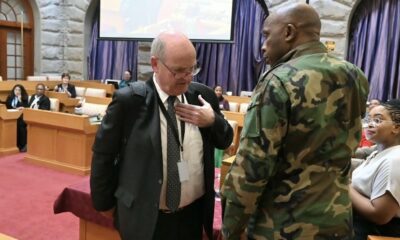
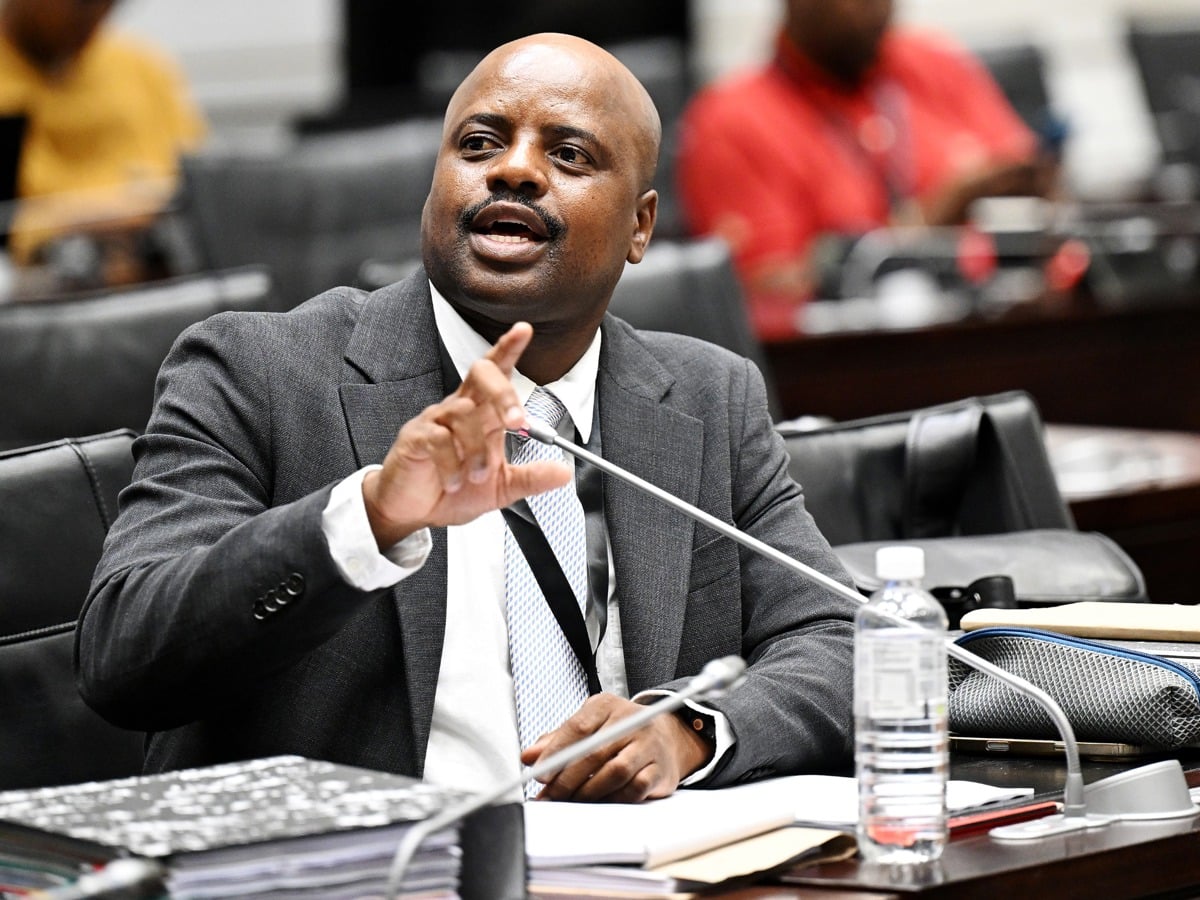
Suspended Ekurhuleni Metro Police Department acting chief Julius Mkhwanazi faced MPs and admitted to a decision that has come to define his suspension. He accepted money from businessman Vusimuzi Matlala without asking enough questions. His words were simple and disarming.
“I feel so bad, chair.”
In a country weary of police scandals and political half-truths, the admission landed heavily. Mkhwanazi did not deny the payment. He denied what it meant.
The money and the mistake
Mkhwanazi told the parliamentary ad hoc committee that taking the money was a lapse in judgement, not a gateway to corruption. He said no favours were exchanged, no protection offered, and no influence sold.
He described the transaction as a personal error rooted in trust rather than criminal intent. It was a line he returned to repeatedly as MPs pressed him on why a senior police official would accept money from a figure now linked to an IPID investigation involving alleged fraud and the Ekurhuleni Metro Police Department.
The committee made it clear that public trust does not hinge only on intent. It hinges on perception, especially in law enforcement leadership.
Denials under pressure
As the questioning sharpened, Mkhwanazi pushed back hard against claims that he abused his position.
He denied ever fitting or authorising blue lights on Matlala’s vehicles. He rejected allegations of witness intimidation and police corruption. He also dismissed claims linking him to “Witness D,” the late Marius van der Merwe, who was central to the evidence before the Madlanga Commission.
Yes, he confirmed, he was at the crime scene on the morning Van der Merwe was killed. But he said it was part of his official duties as a senior officer and nothing more.
“I went there as a senior officer,” he told MPs, insisting there was no interference or wrongdoing.
A shocking revelation from the stand
Midway through his testimony, the hearing took a turn that left the room stunned.
Mkhwanazi revealed that his attorney had been shot the day before outside Booysens Magistrates’ Court in Johannesburg. The lawyer had been assisting him with EMPD investigations and preparations for the Madlanga Commission.
The incident, he said, has shaken his family and heightened the sense of danger surrounding the case.
“My kids are disturbed,” he told the committee, describing a life now lived under suspicion and fear.
The shooting has sparked renewed public anxiety about the intersection of policing, organised crime, and the risks faced by those entangled in high-profile investigations.
An internal battle within EMPD
Beyond the allegations themselves, Mkhwanazi painted a picture of an institution at war with itself.
He accused senior figures within the EMPD of fabricating claims to force him out, saying there is a deliberate campaign to discredit his leadership. According to him, the accusations are less about justice and more about internal power struggles.
For many South Africans, this claim rings uncomfortably familiar. Police leadership battles, suspensions, and commissions of inquiry have become a recurring feature of the democratic era.
Asking for redemption in a sceptical climate
Despite everything, Mkhwanazi asked for another chance.
He told MPs that if reinstated, he would do everything by the book. He acknowledged that his judgement failed him but maintained that his conduct did not cross into criminality.
It is a difficult ask in a climate where public patience is thin, and accountability is demanded loudly. Social media reaction has been mixed. Some see a flawed officer owning up to his mistake. Others see yet another senior official pleading ignorance after being caught.
The committee reminded him that leadership in law enforcement carries a higher standard, not a softer one.
What happens next
The hearings are set to continue next week, with MPs expected to interrogate inconsistencies and assess the broader implications for public trust in policing.
For now, Julius Mkhwanazi remains suspended, his future tied to a single question that echoes far beyond the committee room.
When a police leader admits a mistake but denies corruption, is regret enough?
Follow Joburg ETC on Facebook, Twitter, TikT
For more News in Johannesburg, visit joburgetc.com
Source: IOL
Featured Image: www.ewn.co.za