Courts & Legal
Parliament moves to steady SAPS inquiry after witness setbacks
A reset before the pressure builds
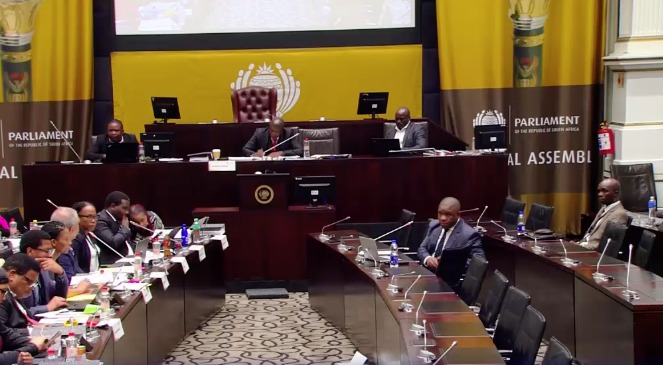
After a rocky start marked by missing witnesses and last-minute changes, Parliament’s ad hoc committee investigating allegations against KwaZulu-Natal’s top police leadership is hitting pause to regroup.
On Monday, the committee meets virtually to deal with internal and procedural matters before the next round of public hearings resumes. The aim is simple but crucial. Stabilise the process, fix what went wrong last week, and make sure the remaining sessions run without disruption.
At the centre of the inquiry are allegations made against SAPS KwaZulu-Natal Provincial Commissioner Lieutenant General Nhlanhla Mkhwanazi, an investigation that has drawn strong public interest and placed the committee under pressure to deliver credible outcomes within a tight deadline.
Why the committee is regrouping now
The need for a reset follows several challenges during last week’s sittings. Some key witnesses did not appear, which forced the committee to reshuffle its programme and bring public participation forward earlier than planned.
Two high-profile witnesses are central to the current logistical headaches. North West businessman Brown Mogotsi requested that Parliament cover the cost of his personal security, while forensic consultant Paul O’Sullivan asked to testify virtually, citing threats to his life. Their absence contributed directly to the disruptions that MPs now want to avoid repeating.
The committee will use Monday’s meeting to review its draft programme and receive updates on these unresolved issues, including how subpoenas will be handled going forward.
Civil society voices already heard
Despite the setbacks, the process has already drawn significant engagement from civil society and experts in policing and governance.
Organisations that have made submissions include Accountability Now, the African Policing Civilian Oversight Forum, and the Institute for Security Studies. Individual contributors have ranged from legal experts to former crime intelligence officials and municipal advisers, reflecting the wide public interest in the integrity of policing oversight.
These submissions have helped shape the direction of the inquiry, even as procedural delays tested patience behind the scenes.
Chair admits frustration but promises smoother hearings
Committee chair Soviet Lekganyane has been candid about the strain caused by last week’s disruptions. He acknowledged the frustration experienced by participants, particularly Advocate Tengimpilo Maqebhula, who incurred personal travel and accommodation costs after flight delays and scheduling changes.
Lekganyane says committee staff are now working urgently to ensure everything is in place for Tuesday’s hearings. The focus is on early communication with witnesses, firm scheduling, and avoiding the late changes that previously derailed proceedings.
Behind the parliamentary language, the message is clear. There is little room left for error.
What happens next and why timing matters
This week’s hearings are expected to include further public submissions from civil society organisations such as Gun Free South Africa, along with individual contributors, including Dr Gordon Rolls and Xolile Mashukuxa.
The committee has agreed to hear from six civil society organisations and at least twelve members of the public as it moves toward the final phase of its work.
Time is tight. The inquiry operates within a window running from mid-January to early February, with hearings scheduled to wrap up by 6 February. An extension until 20 February 2026 has been granted for the completion of the final report, but the public hearings themselves are entering the final stretch.
As Lekganyane put it, the committee is now running toward the finishing line. Whether it crosses that line smoothly depends on how well this reset holds.
Follow Joburg ETC on Facebook, Twitter, TikT
For more News in Johannesburg, visit joburgetc.com
Source: IOL
Featured Image: eNCA