Courts & Legal
Former Pretoria midwife awaits verdict in baby deaths and birth complications case
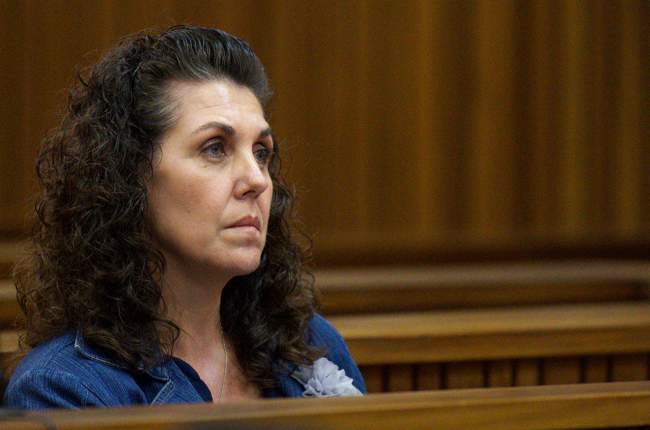
In a case that has quietly gripped Pretoria’s medical and parenting communities, the spotlight is now firmly on the Gauteng High Court as it prepares to deliver judgment against former midwife Yolande Maritz Fouchee.
The State has made its position clear. Prosecutors believe they have presented enough evidence to secure a guilty verdict, particularly when measured against the testimony of medical experts who took the stand during the trial.
At the centre of it all are deeply personal stories. Four mothers came forward, describing their experiences at Fouchee’s You and Me birth clinic in Pretoria East. Their accounts painted a picture of pregnancies and births that did not go as expected, with devastating outcomes for some families.
A case built on conflicting versions
Fouchee has stood firm throughout the proceedings, maintaining that she acted appropriately and within her knowledge as a midwife. She told the court that, from her perspective, the births largely followed normal processes, even though the outcomes were tragic in some cases.
She acknowledged limits in her expertise, including that she could not diagnose advanced abnormalities. Still, she insisted she monitored her patients and believed the babies were developing as expected.
The prosecution sees it very differently. Prosecutor Jennifer Cronje argued that Fouchee’s explanations are medically implausible and that her conduct fell short of what is expected from a qualified practitioner.
One of the most serious claims is that she failed to recognise and respond to high-risk pregnancies. Medical experts testified that warning signs were present but not properly addressed.
Allegations of dangerous practices
The court also heard allegations about specific methods used during labour. Some mothers testified that they were given a liquid described as water with rescue remedy, after which intense contractions followed.
Another point of contention involves the reported use of Cytotec, a medication typically associated with inducing labour but described in court as dangerous under the circumstances it was allegedly administered.
The prosecution further argued that Fouchee used forceps in ways that amounted to assault, saying these interventions were not medically justified.
Fouchee has denied wrongdoing, maintaining that she acted in the best interests of her patients and within the limits of her training.
The weight of professional responsibility
The case is not only about individual decisions in a delivery room. It also raises broader questions about private healthcare standards in South Africa.
Fouchee previously practised as a specialised midwife and presented herself as such. The state argued that her actions must be judged against the standards expected of a qualified professional.
Her deregistration by the Health Professions Council of South Africa in 2021, following findings of unprofessional conduct, has added further weight to the proceedings.
Her legal team, however, has pushed back strongly. They argued that the State has not proven its case beyond reasonable doubt and that complications during childbirth do not automatically amount to negligence. They also pointed out the differences between private practice and hospital settings, where more resources and medical support are available.
A community watching closely
Beyond the courtroom, the case has sparked quiet but intense conversations across Gauteng. For many expectant parents, especially those considering private or home birth options, the trial has raised questions about trust, safety, and informed decision-making.
Online discussions reflect a mix of sympathy for the affected families and caution against rushing to judgment before the court has spoken. Others have highlighted the emotional toll such cases take on both families and practitioners.
Judgment day approaches
With closing arguments now complete, all eyes turn to March 25, when Judge Papi Mosopa is expected to deliver judgment.
The outcome will not only determine Fouchee’s legal fate but could also influence how similar cases are approached in the future. For the families involved, it marks another step in a long and difficult journey toward answers.
Follow Joburg ETC on Facebook, Twitter, TikT
For more News in Johannesburg, visit joburgetc.com
Source: IOL
Featured Image: Netwerk24