Courts & Legal
SAPS corruption inquiry hears damning crime intelligence testimony
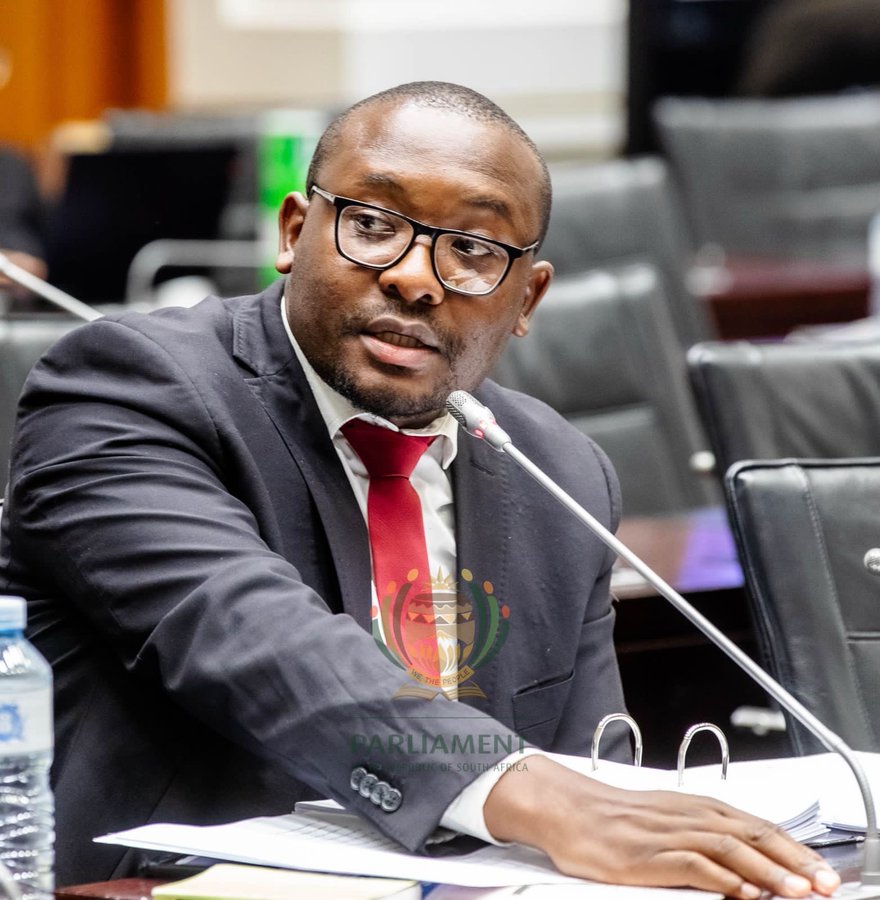
On a quiet Thursday in Parliament, the mood inside the Ad Hoc Committee room was anything but calm. As lawmakers continue probing explosive allegations of corruption and political interference within the South African Police Service, the testimony unfolding has started to feel less like routine oversight and more like a reckoning.
The committee is investigating claims made by KwaZulu-Natal Police Commissioner Lieutenant General Nhlanhla Mkhwanazi. Its mandate is broad and uncomfortable, ranging from political meddling to the shadowy world of Crime Intelligence finances. This week, the focus shifted sharply onto how deep the rot may run.
A senior officer without clearance
One of the most striking moments came from Tiyani Hlungwani, a former Section Head of Finance and Administration Services at SAPS. He told MPs that despite holding a senior role overseeing sensitive funds, he never received the mandatory security clearance required for the job.
According to Hlungwani, he applied for clearance and passed every stage of the process. The recommendation was even escalated to senior SAPS leadership. Yet the final approval never came.
In plain terms, a senior official was allowed to manage highly sensitive finances without the formal clearance designed to protect the system from abuse. For many observers, this alone raised troubling questions about governance inside the police service.
The 45 million rand payment that stopped everything
The heart of Hlungwani’s testimony centred on a payment that never went through. He described being instructed to process a 45 million rand transaction for a so-called grabber machine, a piece of surveillance equipment allegedly connected to the ANC’s 2017 Nasrec conference.
The meeting, he said, took place at a Pretoria hotel and involved then National Commissioner Khehla Sithole along with other senior generals. Hlungwani told the committee the price was wildly inflated and the transaction raised immediate red flags.
He refused to authorise it.
Together with Brigadier Dennis Chili, he decided the risk was too great and the instruction unlawful. Rather than quietly complying, they reported the matter to the Independent Police Investigative Directorate.
That decision proved decisive. IPID intervened, and the payment was stopped before the money could move.
Why IPID mattered at that moment
At the time, IPID was under the leadership of Robert McBride, who had already built a reputation for taking on politically sensitive cases involving police misconduct. Hlungwani told MPs that IPID was the only body he trusted to act quickly and independently.
For many South Africans watching the hearings, this detail resonated. It reinforced how fragile accountability mechanisms can be, and how dependent the system is on individuals willing to act without fear or favour.
Fallout and career consequences
Refusing to play along came at a cost. Hlungwani told the committee his career was derailed after the incident. He was transferred into a role that did not properly exist and later dismissed for allegedly being absent from work for more than a month.
In his view, the message was clear. His removal had nothing to do with performance and everything to do with his refusal to approve a questionable payment.
A system bigger than individuals
Beyond naming senior officers and alleging widespread corruption within Crime Intelligence, Hlungwani repeatedly returned to one central point. This was not just about a few bad actors.
He described a system shaped by cronyism, political interference and weak oversight. Even his claims of judicial misconduct linked to the 2017 ANC conference were framed as symptoms of deeper structural failures rather than isolated scandals.
His call to Parliament was direct. Reform recruitment processes. Strengthen financial controls. Enforce accountability at the highest levels.
Public reaction and what comes next
On social media, reactions have ranged from outrage to weary resignation. Many South Africans see the hearings as confirmation of long-held suspicions about Crime Intelligence. Others are cautiously hopeful that sustained public scrutiny might finally force meaningful reform.
The committee is expected to hear further submissions from additional witnesses, including Melusi Mlandu. Each appearance adds another layer to a story that continues to test public trust in one of the country’s most powerful institutions.
Whether these hearings lead to lasting change remains to be seen. For now, they have pulled back the curtain on how easily systems meant to protect the public can be bent, and how difficult it can be for those inside to push back without paying a personal price.
Follow Joburg ETC on Facebook, Twitter, TikT
For more News in Johannesburg, visit joburgetc.com
Source: IOL
Featured Image: X (formerly known Twitter)/@ANCParliament