Power & Utilities
How Cape Town’s water crisis shows Joburg a way to avoid Day Zero
How Cape Town’s water crisis shows Joburg a way to avoid Day Zero
As Johannesburg residents grapple with ongoing water shortages, the story of Cape Town’s near-miss with Day Zero in 2018 offers a roadmap for averting disaster. Back then, South Africa’s western metropolis came perilously close to running out of water, yet through a mix of government intervention and citizen cooperation, the city managed to turn the tide.
Citizens and government: a rare partnership
At the height of the crisis, Capetonians were asked to limit their daily water use to 50 litres per person, with warnings that exceeding this threshold could trigger Day Zerowhen water supplies would drop to 25 litres per person per day.
Zahid Badroodien, Cape Town’s MMC for water and sanitation, says the city’s success rested on a partnership between residents and authorities. “Although it was challenging, the lessons learned by both the metro and society were invaluable,” he said.
Capetonians responded. Four million residents cut water consumption by 40%, saving 32 billion litres. Early resistance faded as compliance became widespread by late 2017. Badroodien stresses that the citizens themselves deserve credit: “The residents of Cape Town saved Cape Town.”
Transparency builds trust
Transparency was central to changing behaviour. The metro regularly shared dam levels, consumption targets, and progress reports, creating a sense of shared responsibility. Meanwhile, authorities took visible action: pressure management, leak repairs, and household water-saving tools showed residents that their sacrifices were matched by concrete government interventions.
“The drought changed the public’s relationship with water for the better,” said Badroodien, noting that even as seasonal demands rise, overall consumption remains lower than pre-drought levels.
Infrastructure and long-term planning
Beyond behaviour, Cape Town overhauled its long-term water strategy (2019-2040), aiming for a diversified supply: 75% from surface water, 11% from desalination, and 7% each from groundwater and water reuse. Major projects under development include the Faure water reuse scheme, desalination at Paarden Eiland, groundwater abstraction, and the removal of invasive alien vegetation that consumes billions of litres annually.
Investment underpins the plan. Cape Town’s 10-year infrastructure budget is around R120 billion, with water and sanitation representing 42% of that91% larger than Johannesburg’s allocation over the same period.
Badroodien’s advice is simple: “Do not wait for rain. Combine behaviour change with infrastructure expansion and diversified supply to build resilience against climate shocks and population growth.”
Lessons for Joburg
For Johannesburg, already facing prolonged water outages in areas like Melville, Parktown West, Mayfair, Greenside, Parkview, and Emmarentia, the takeaway is clear. Transparency, shared sacrifice, and aggressive long-term planning could prevent the taps from running dry completely.
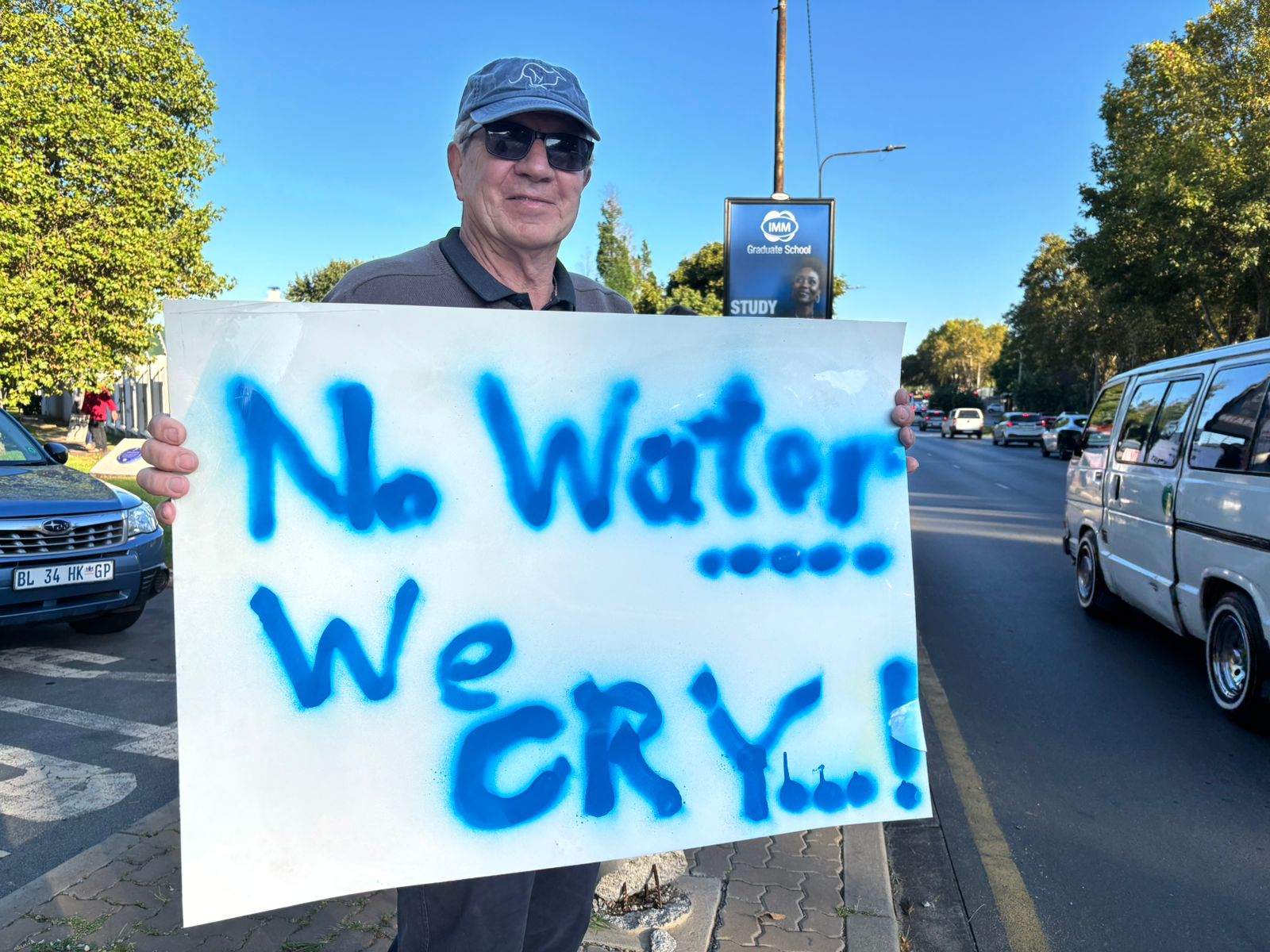
Residents have already taken to the streets in frustration, but Cape Town’s experience suggests that public engagement, clear communication, and a sense of shared responsibility could make the difference between temporary hardship and a full-blown Day Zero scenario.
The message resonates: citizens, when informed and involved, are as critical as the infrastructure itself. Johannesburg’s challenge is to act before the crisis deepens, combining immediate water-saving measures with investment in resilient supply systems.
{Source: The Citizen}
Follow Joburg ETC on Facebook, Twitter , TikTok and Instagram
For more News in Johannesburg, visit joburgetc.com