Power & Utilities
Gauteng’s water crisis driven by crumbling infrastructure, not high demand
Gauteng’s taps run dry as old pipes and mismanagement take their toll
While Johannesburg residents queue for water tankers and post dry taps on social media, experts are pointing the finger at a deeper problem than overconsumption: the province’s water infrastructure is crumbling.
Rand Water, the bulk water supplier for Gauteng, insists it is supplying over 5 000 megalitres dailywell above its legal quota of 4 400 megalitres. Spokesperson Makenosi Maroo confirmed there were no blockages in their system and that the supply network is functioning as intended.
“Consumption fluctuates across municipalities,” Maroo said. “Johannesburg has the highest usage, at over 300 litres per person per day, above the global average of 173 litres.” She added that increased usage is driven by heatwaves, leakages, illegal connections, and water theftbut this is only part of the story.
Ageing pipes and leaks are the real culprits
Tarryn Johnston, a forensic analyst and architect of the African Water Resilience Blueprint, explained that Gauteng’s crisis is overwhelmingly infrastructure-driven. Many pipelines are 40 to 60 years old, leaks account for 30–40% of treated water lost before reaching homes, pumps fail regularly, and reservoirs have not been upgraded on schedule.
“The system is running near maximum capacity. Mismanagement, procurement abuse, and weak governance create conditions where corruption thrives,” Johnston said.
Ferrial Adam of civil society group WaterCAN echoed the warning. She called the idea that households overwatering gardens or filling pools are to blame “convenient but misleading.” Even outside peak summer months, she said, Johannesburg’s water network struggles to cope, exposing systemic weaknesses.
“Infrastructure doesn’t collapse overnight. It deteriorates slowly until reaching a tipping point,” Adam said. “Decades of deferred maintenance, hollowed-out technical skills, and underfunded budgets have left the system vulnerable.”
Governance failures open the door for corruption
Adam also noted that Rand Water is a key part of the chain: “If Rand Water sneezes, Johannesburg catches Covid. This crisis is predictable, not sudden.” She added that the presence of water tanker operators exploiting the situation further compounds the problem.
“Without technically competent management, transparent procurement, and accountability at senior levels, corruption can flourish,” she said. “We need audits and oversight to ensure officials or politicians aren’t profiting from water services.”
What residents are experiencing
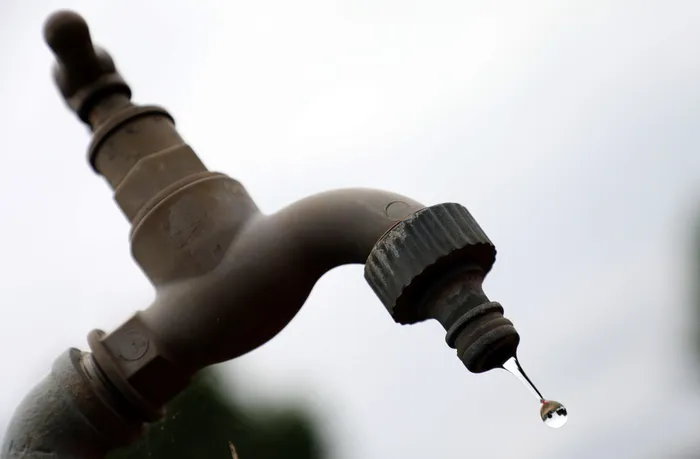
For the people of Melville, Emmarentia, and Naturena, these technical explanations translate into dry taps and long waits for water deliveries. Many have been without running water for weeks, highlighting the human cost behind the statistics and supply quotas. Social media feeds are flooded with images of empty taps and water tankers struggling to keep up.
Experts insist that long-term solutions lie in rebuilding the system: modernising reservoirs, replacing decaying pipes, and strengthening governance and maintenance routinesnot just focusing on household consumption.
“As a city, we cannot afford to patch problems temporarily,” Johnston said. “We need resilient systems that absorb demand changes and provide reliable service year-round.”