Power & Utilities
Legal Battle Brewing As South Africa’s Water Crisis Deepens
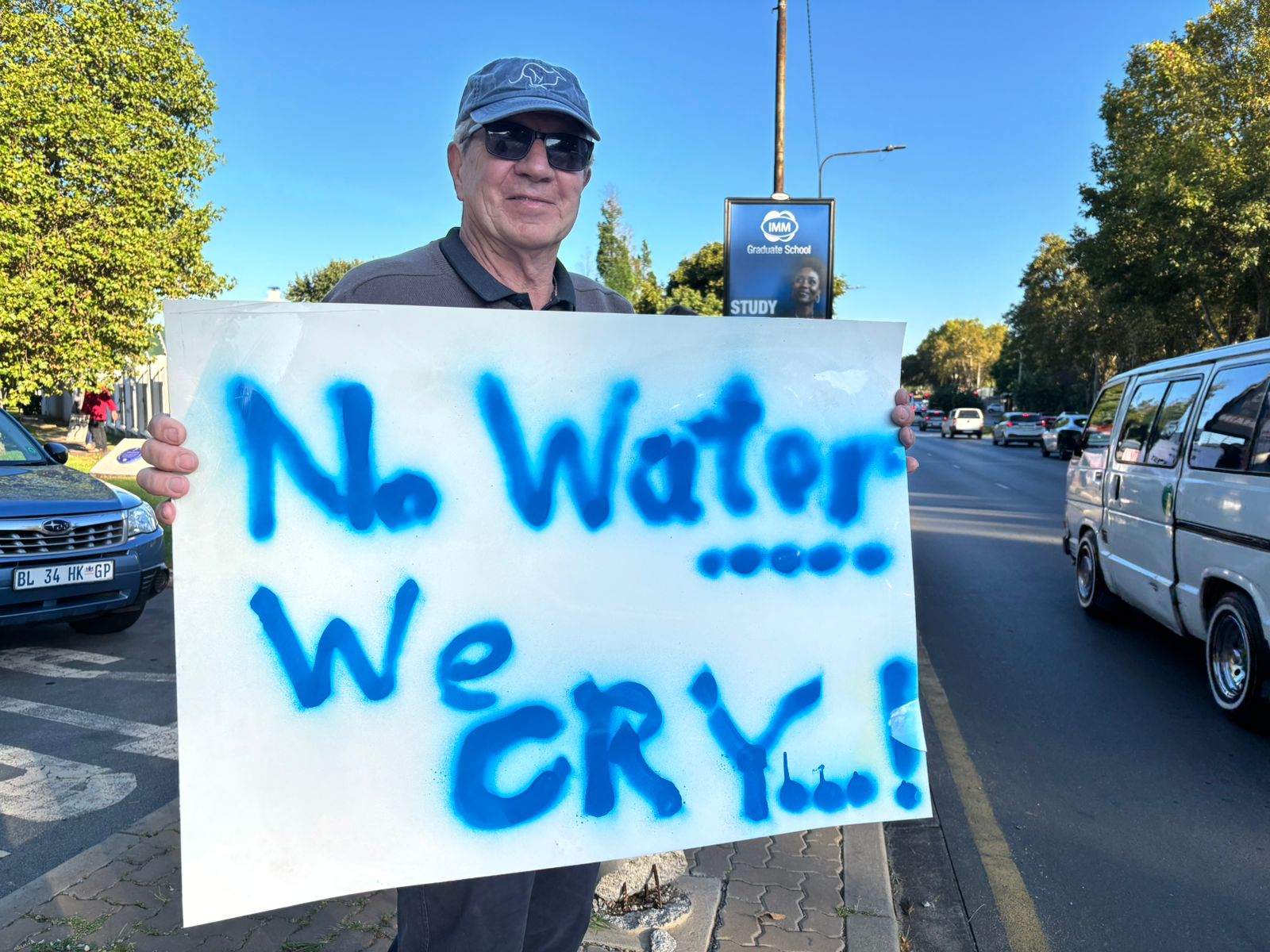
For many South Africans, turning on the tap has become an exercise in hope rather than routine. Across parts of Gauteng, especially in Johannesburg, water cuts and pressure throttling have shifted from occasional inconvenience to daily reality. Now, the crisis may be heading from the streets to the courts.
A Constitutional Right Under Pressure
Build One South Africa has signalled its intention to take the government to court, arguing that the ongoing water shortages are not just a service delivery failure but a violation of constitutional rights.
Speaking during a Human Rights Day debate in Parliament, deputy leader Nobuntu Hlazo-Webster made it clear that access to water is not optional. Section 27 of the Constitution guarantees it, and she insists that right must be enforced.
Her argument leans on past legal precedent, including a Constitutional Court ruling that confirmed the state’s duty to progressively ensure water access. But for many residents, especially in Johannesburg, progress feels like it has stalled or even reversed.
From Load Shedding To Water Shedding
South Africans are no strangers to infrastructure struggles. Years of rolling blackouts have shaped daily life, from how businesses operate to how households plan their evenings.
Now, many are drawing uncomfortable parallels between electricity cuts and what some are calling water shedding.
In suburbs across Joburg, water tanks, JoJo tanks and municipal water trucks have become part of the urban landscape. For some communities, collecting water has started to resemble the queues once seen during prolonged power outages, only this time it is about a basic necessity for survival.
A Crisis Without Clear Accountability
One of the biggest frustrations lies in the blurred lines of responsibility.
According to Hlazo-Webster, accountability for water delivery is being passed between national government, municipalities and water boards. Each points to the other, leaving residents stuck in the middle with little clarity on who is actually responsible for fixing the problem.
Johannesburg has been singled out as the epicentre of the crisis, with ageing infrastructure, maintenance backlogs and alleged mismanagement contributing to prolonged outages.
For residents, the reality is simple. Whether the issue lies with pipes, planning or politics, the taps are still running dry.
Courts May Force Action
BOSA says it will pursue direct legal intervention if the government fails to act. The party is expected to outline the details of its court challenge soon, positioning itself as a voice for frustrated citizens.
There is also a call for government not to oppose the legal action, with the argument that public funds should be directed toward fixing water systems rather than fighting court battles.
The move signals a shift in how service delivery failures are being challenged, with political parties increasingly turning to the judiciary to enforce basic rights.
Regional Cooperation Offers Long-Term Hope
While the domestic situation remains strained, government is looking beyond South Africa’s borders for long-term solutions.
A revised water-sharing agreement was recently signed between South Africa and Eswatini, focusing on the Komati River Basin. The project, which has roots going back more than three decades, aims to ensure sustainable water supply for the region.
South Africa currently receives the larger share of water from the system, with Eswatini allocated the remainder. The agreement also highlights the importance of cooperation with neighbouring countries, including Mozambique, in securing future supply.
Water and Sanitation Minister Pemmy Majodina has emphasised the importance of preserving shared resources, while Eswatini officials have underscored that water security is central to health, development and regional stability.
The Bigger Picture
South Africa’s water crisis is no longer just about broken pipes or delayed maintenance. It is becoming a defining issue that touches on governance, accountability and human rights.
As the threat of legal action grows, the question is no longer whether the crisis is serious. It is whether meaningful intervention will come in time to prevent it from deepening further.
For now, across Johannesburg and beyond, the sound of silence from a dry tap is becoming one of the most telling signs of a country under pressure.
{Source:IOL}
Follow Joburg ETC on Facebook, Twitter , TikTok and Instagram
For more News in Johannesburg, visit joburgetc.com