Power & Utilities
Tshwane electricity grid stabilisation plan after weeks of rolling blackouts
Tshwane’s lights flicker back to hope as city promises grid stabilisation
After weeks of unpredictable blackouts that left residents frustrated, businesses scrambling and WhatsApp groups buzzing with outage updates, the City of Tshwane is trying to steady a grid that many feel has been one fault away from collapse.
Mayor Nasiphi Moya has now promised “fewer large-scale failures” and a clearer stabilisation plan, acknowledging that Pretoria’s electricity network has been operating under extreme strain. Her comments come after prolonged outages across parts of the metro during December and January, when some neighbourhoods endured repeated power losses lasting hours sometimes days.
A grid stretched to its limits
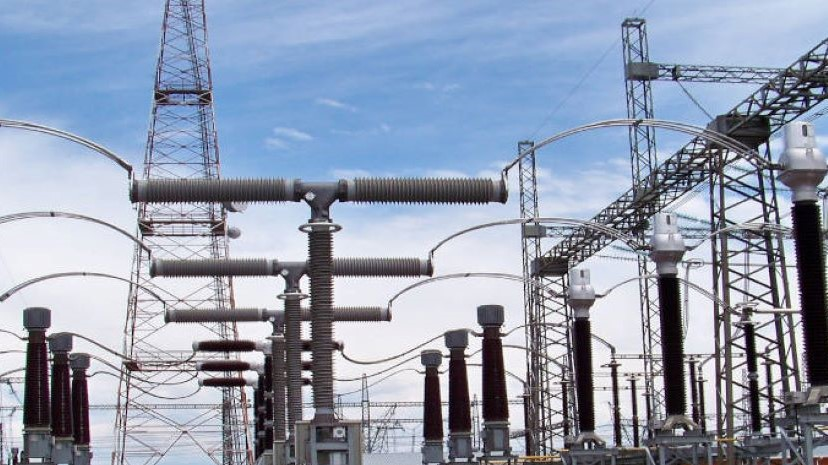
On Tuesday, Moya, deputy mayor Eugene Modise and senior city officials visited the Kentron Power Station in Centurion, one of the critical nodes in Tshwane’s electricity network. It was a symbolic stop Kentron itself has become shorthand for the city’s deeper infrastructure woes.
MMC for utility services Frans Boshielo painted a blunt picture: Tshwane’s grid is old, tired and underfunded. More than half of the city’s high-voltage transformers are over 40 years old, with some still operating after six decades of service.
“That’s old by any engineering standard,” Boshielo said, adding that the system has been running with virtually no room for error.
Years of underinvestment catch up
The recent wave of outages hit areas such as Koedoespoort, East Lynne, Jan Niemand Park and parts of Centurion particularly hard. According to the city, this wasn’t caused by a single failure but by multiple pressures colliding on a network already stretched thin.
Funding gaps have played a major role. Since at least the 2018 financial year, approved budgets have consistently fallen short of what’s needed to maintain and renew the grid. In real terms, the city has been operating with a shortfall of around R364 million against an annual requirement of R548 million.
Fully refurbishing Tshwane’s ageing transformers and substations would cost about R3.5 billion. Looking ahead, the total 10-year capital investment needed to stabilise and modernise the electricity network sits at roughly R6 billion.
What happens next
Moya was careful not to overpromise. She said the crisis cannot be fixed in a single year, but the next three months will focus on immediate stabilisation preventing faults from snowballing into widespread blackouts and restoring basic control over the system.
Over the next three to twelve months, the city plans to restore redundancy at high-impact substations including Koedoespoort, Njala, Kwagga and Watloo. That means repairing existing transformers where possible, replacing units that have reached the end of their lifespan and reinstating backup transformers so that maintenance or faults don’t automatically plunge suburbs into darkness.
Projects already in motion
The plan also leans on projects already close to completion. These include commissioning the Wapadrand substation, restoring Kentron substation, upgrading capacity at Monavoni and strengthening supply to industrial and residential hubs like Pyramid and Rosslyn.
For residents, the reaction has been cautiously hopeful but wary. On social media, many welcomed the transparency, while others questioned why it took weeks of outages for the scale of the problem to be laid bare.
For now, Tshwane’s promise is stability, not miracles. Whether this marks a turning point or just another patch in a long-running infrastructure struggle will become clear the next time the grid is put to the test.
{Source: The Citizen}
Follow Joburg ETC on Facebook, Twitter , TikTok and Instagram
For more News in Johannesburg, visit joburgetc.com