News
Nipah Virus: Why Experts Say SA is Safe Despite Deadly Outbreak Abroad
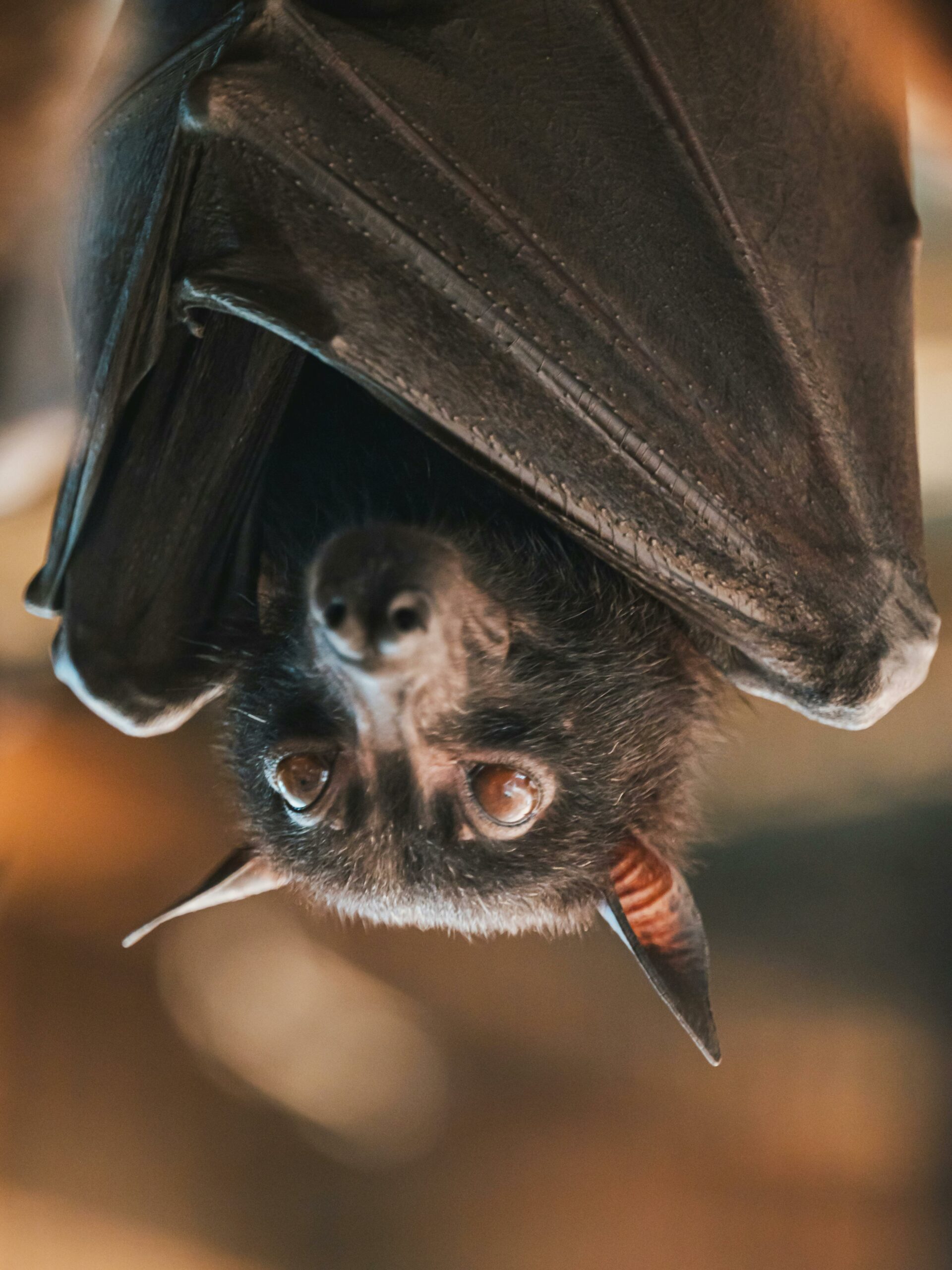
A deadly virus with a mortality rate as high as 75% has resurfaced, claiming six lives globally since 2025. The Nipah virus (NiV), a zoonotic pathogen carried by fruit bats, has sparked understandable anxiety worldwide. But for South Africans watching from afar, health authorities and leading experts have a clear, calming message: there is no immediate risk to the country, and panic is unnecessary.
Why the Virus is FearedAnd Contained
Nipah virus is a serious and often fatal infection that causes severe respiratory illness and fatal encephalitis (brain swelling). It is primarily transmitted through contact with infected fruit bats (flying foxes), contaminated food, or infected animals like pigs. Human-to-human transmission is possible but is considered inefficient compared to viruses like COVID-19.
Dr. Angelique Coetzee, former chairperson of the South African Medical Association (SAMA), underscores its danger but also its geographical limits. “NiV is a serious but currently highly localised viral infection that mainly occurs in parts of South and Southeast Asia, particularly in Bangladesh and India,” she told IOL. The absence of specific antiviral treatment or a vaccine adds to its severity, but its poor human-to-human transmissibility prevents rapid global spread.
The Natural Barrier: No Native Host in SA
A key reason South Africa remains safe, according to epidemiologist Dr. Jo Barnes of Stellenbosch University, is the absence of the virus’s natural reservoir. “The natural host of the virus is the fruit bat (Pteropus spp)also called flying foxes. These animals are not native to South Africa,” she explained. This crucial ecological barrier significantly lowers the risk of the virus establishing itself here through local wildlife.
Official Stance: Vigilance, Not Alarm
The National Department of Health is monitoring the situation closely through the National Institute for Communicable Diseases (NICD). Department spokesperson Foster Mohale reiterated that “there is no immediate risk to South Africa and there is no need for the public to panic.” He confirmed that, based on scientific advice, there is currently a very low risk outside the affected Asian countries, and no screening at ports of entry is recommended.
The department continues to advise standard precautions for those working with animals, such as using protective gear when handling sick livestock.
The Bottom Line: Awareness Over Anxiety
While the tragic fatalities overseas are a sobering reminder of emerging pathogens, the consensus among South African experts is clear: Nipah virus does not currently pose a pandemic threat on the scale of COVID-19 and is highly unlikely to reach our shores through natural means. The public is urged to stay informed through official channels like the NICD but to replace fear with factual awareness. For now, South Africa’s vigilance is warrantedits worry is not.
{Source: IOL}
Follow Joburg ETC on Facebook, Twitter , TikTok and Instagram
For more News in Johannesburg, visit joburgetc.com