News
R51 Million Northern Cape Mental Hospital Fraud Case Moves To High Court
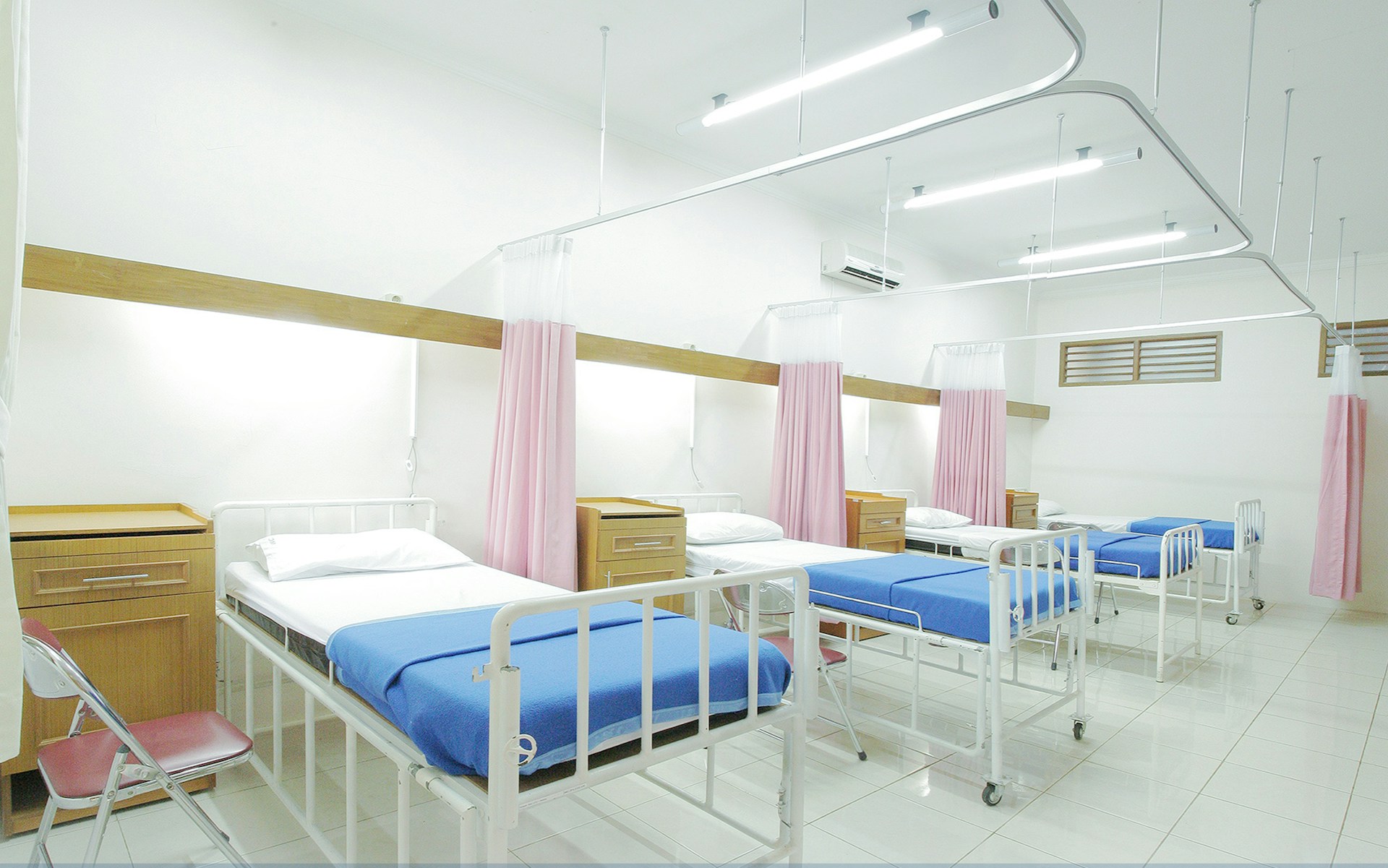
A case that has hovered over the Northern Cape’s healthcare system for years is now heading to the High Court.
The Kimberley Magistrate’s Court has officially transferred the R51 million tender fraud matter linked to the construction of the Northern Cape Mental Hospital. A pre-trial conference is scheduled for April, marking a significant step in a case that blends politics, public money and a healthcare system already under scrutiny.
Nine accused are facing a range of serious charges, including fraud, corruption and money laundering. Among them is former African National Congress provincial chairperson John Block.
For many in Kimberley and surrounding communities, the hospital was meant to represent progress. Instead, it has become a symbol of controversy.
What The Charges Mean
According to the National Prosecuting Authority in the Northern Cape, the accused were served with indictment documents ahead of the matter’s transfer. The state says it is ready to proceed.
NPA spokesperson Mojalefa Senokoatsane confirmed that the upcoming pre-trial conference will determine whether all parties are prepared for trial. The state has maintained that it has long been ready to move forward.
The High Court process now raises the stakes. Unlike the magistrate’s court, proceedings at this level signal that prosecutors believe they have a substantial case to argue.
For residents of the province, this is not just another legal development. It is about accountability for a project that was meant to strengthen mental healthcare services in a region that has historically struggled with limited specialist facilities.
A Hospital Under The Microscope
The fraud case does not exist in isolation.
Last year, the Health Ombud released a scathing report following the deaths of two psychiatric patients and the immobile condition of another patient who remains bedridden. The findings painted a deeply troubling picture of governance and patient care at both the Northern Cape Mental Health Hospital and the Robert Mangaliso Sobukwe Hospital.
Health Ombud Professor Taole Mokoena concluded that the two patients who died could potentially have been saved had proper clinical care been provided.
The report detailed systemic failures. These included poor governance, weak leadership, crumbling infrastructure, staff shortages, inadequate emergency preparedness, poor pharmacy controls and non-compliance with proper record keeping procedures.
At Robert Mangaliso Sobukwe Hospital, critical staff shortages and overcrowding at the emergency centre were flagged as major concerns, worsened by the absence of a district or regional hospital to relieve pressure.
In short, the hospital infrastructure meant to serve some of the province’s most vulnerable patients was found to be deeply compromised.
Families Still Waiting For Answers
The ombud’s findings also opened another painful chapter.
Two families came forward after the report’s release, alleging psychiatric patient neglect. Their cases were not part of the original investigation, but they are now demanding accountability from the provincial Department of Health.
The department has committed to investigating these additional claims.
For families affected, the legal proceedings around the tender fraud are not just about paperwork or procurement systems. They are connected to a broader question: whether money that should have strengthened healthcare delivery was properly managed.
Why This Case Matters For The Northern Cape
The Northern Cape is South Africa’s largest province by land area, yet it often battles with limited healthcare infrastructure and specialist services. Mental health services, in particular, have long faced capacity and staffing challenges.
When the Northern Cape Mental Hospital project was first introduced, it was seen as a much-needed investment. A R51 million tender tied to its construction represented hope for improved psychiatric care in a province where patients sometimes travel long distances for treatment.
Now, that same figure sits at the centre of a criminal case.
As the High Court pre-trial approaches in April, the focus will shift from allegations to courtroom arguments. The outcome could have lasting implications, not only for the accused but also for public trust in how healthcare projects are managed in the province.
For now, the message from prosecutors is clear. The state says it is ready.
The next move belongs to the High Court.
{Source:SABC News}
Follow Joburg ETC on Facebook, Twitter , TikTok and Instagram
For more News in Johannesburg, visit joburgetc.com