Oil nears $100 as Iran conflict rattles markets and fuels global energy fears
Global markets opened the week on shaky ground as oil prices hovered near the $100-a-barrel mark, reflecting mounting anxiety over the escalating conflict involving Iran.
The fighting has now stretched into its third week, with little indication that either side intends to back down. As tensions continue to ripple across the Middle East, traders, governments and ordinary consumers around the world are watching one crucial choke point: the Strait of Hormuz.
This narrow shipping corridor handles a large share of the world’s oil exports and right now, its security has become one of the biggest economic concerns on the planet.
Oil spikes after reports of strikes near key export hub
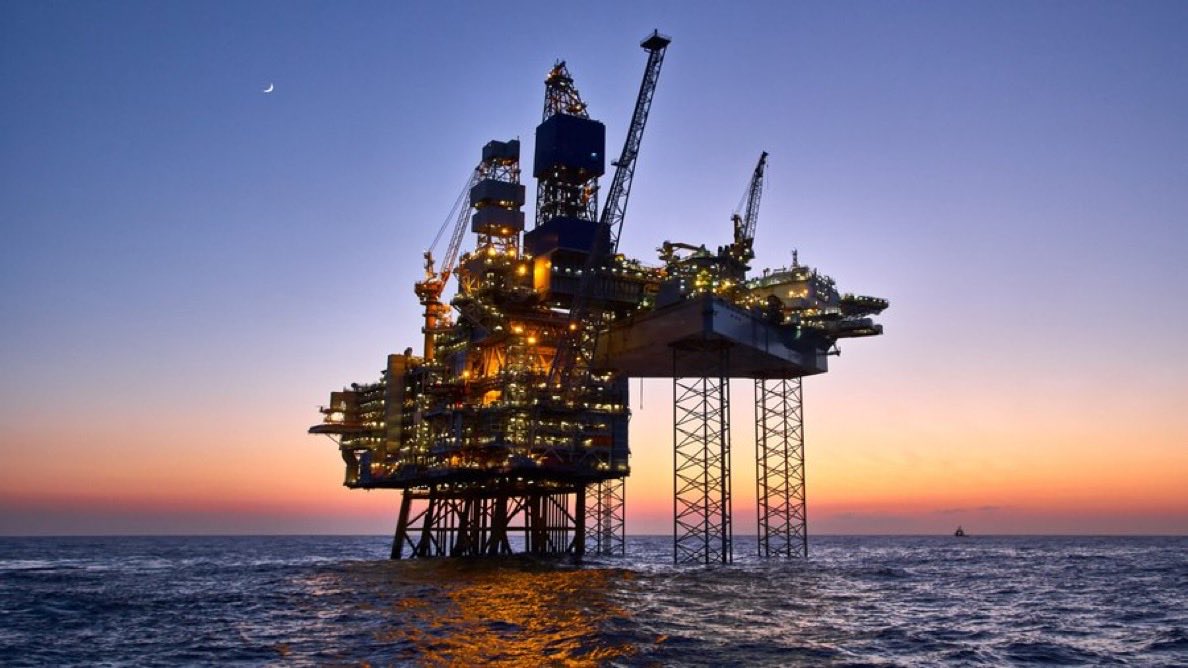
Oil markets reacted almost immediately after the Donald Trump said US forces had struck military targets on Kharg Island, the Iranian oil terminal that manages most of the country’s crude exports.
Prices jumped in early trading, with Brent crude briefly surging about 3% to more than $106 a barrel before easing back.
Meanwhile West Texas Intermediate, the main US benchmark, hovered around $99.
Iranian state-linked media later reported that the strikes had not damaged oil infrastructure, but by then the reaction in global markets had already begun.
Even rumours of disruptions in the region can push oil prices sharply higher.
Why the Strait of Hormuz matters to the world
The Strait of Hormuz sits between the Persian Gulf and the Gulf of Oman. Though only a narrow strip of water, it is one of the most strategically important shipping routes in global energy supply.
Roughly one-fifth of the world’s oil moves through this corridor.
Since US and Israeli operations began in the region on February 28, tanker traffic has been severely disrupted, effectively closing the passage to normal shipping.
That disruption has sent shockwaves through energy markets and revived fears of a global supply crunch something not seen on this scale since previous Middle East crises.
Calls for international naval patrols
Trump has urged major oil-importing countries to deploy naval forces to help keep the waterway open.
In a post on his social media platform Truth Social, he argued that nations benefiting from oil shipments through Hormuz should take responsibility for protecting the route.
He mentioned countries including China, France, Japan, South Korea and the United Kingdom as potential partners in such an effort.
But the early response has been cautious.
Japan said it was not currently considering launching a maritime security operation, while Australia indicated it would not deploy naval vessels to the region.
Tehran rejects negotiations with Washington
Diplomatic efforts to calm the situation remain fragile.
Iran’s foreign minister Abbas Araghchi said his government sees little reason to negotiate with Washington.
He told CBS during an interview that Iran had already been engaged in talks when the attacks began.
From Tehran’s perspective, that experience makes further negotiations difficult.
However, Araghchi suggested Iran may be open to discussions with other countries concerned about tanker safety in the region.
Several nations, he said, had already approached Tehran seeking assurances that their vessels could pass safely through the area.
Stock markets wobble as investors grow nervous
The uncertainty surrounding energy supply has also rippled through global stock markets.
Across Asia, investors responded cautiously:
-
Shares fell in Tokyo, Shanghai, Sydney, Seoul, Wellington, Manila and Jakarta.
-
Meanwhile Hong Kong, Singapore and Taipei saw modest gains.
Analysts say markets are caught in a holding pattern hoping diplomacy might reopen the shipping lane, but wary of further military escalation.
Economic worries extend beyond oil
Adding to the uneasy mood, fresh economic data from the United States showed that growth slowed sharply toward the end of last year.
Fourth-quarter GDP expanded by 0.7%, much weaker than earlier estimates.
At the same time, the Federal Reserve’s preferred inflation measure dipped to 2.8% in January, before the latest surge in energy prices.
If oil continues climbing, economists warn inflation could spike again just as central banks were hoping to bring it under control.
Central banks watching closely
The conflict comes at a delicate moment for the global economy.
This week alone, policy meetings are scheduled at several major central banks including the Federal Reserve, the Bank of England and the European Central Bank.
While interest rates are expected to remain unchanged, officials will likely face tough questions about how the war could affect inflation, growth and energy costs.
Why this matters far beyond the Middle East
For consumers thousands of kilometres away, including in South Africa, the impact of rising oil prices can arrive quickly.
Higher crude prices often translate into more expensive fuel, which in turn pushes up transport costs, food prices and everyday living expenses.
That’s why markets across the world are watching the situation closely.
Right now, oil hovering near $100 a barrel is more than just a number on a trading screen, it’s a warning signal that a regional conflict could soon reshape the global economy if tensions continue to rise.