Oil surges and markets slide as Middle East conflict rattles investors
Crude spikes, airlines sink and safe havens shine
Global markets woke up in shock.
Oil prices surged dramatically while stock markets across Asia slid into the red after US-Israeli strikes on Iran triggered fears of a prolonged and potentially destabilising conflict in the Middle East.
For investors, it was a classic flight to safety moment and for oil-importing nations like South Africa, a worrying signal of what could lie ahead.
A violent jolt to energy markets
At the start of trading, Brent crude spiked nearly 14%, while West Texas Intermediate jumped close to 12%.
The sharp reaction followed strikes on Iran that reportedly killed Supreme Leader Ayatollah Ali Khamenei and other senior officials, an escalation that has dramatically altered the geopolitical landscape.
While prices later eased slightly, crude was still trading about five percent higher as markets attempted to digest the scale of the crisis.
The deeper concern? Supply disruption.
Strait of Hormuz in the spotlight
The strategically critical Strait of Hormuz, through which roughly 20% of global seaborne oil passes, has effectively been shut amid the conflict.
Several ships have reportedly been attacked. According to the British maritime security agency UK Maritime Trade Operations, at least two vessels were struck over the weekend, one off Oman and another near the UAE.
Iranian state television claimed an oil tanker attempting to pass through the strait was hit and sinking.
Although Iran has not formally declared the waterway closed, its Revolutionary Guards have warned against transit. In practical terms, that alone can drive insurance premiums sky-high, making shipping commercially unviable.
Amena Bakr, head of Middle East and OPEC+ research at Kpler, warned crude could climb as high as $90 (around R1 400), especially if supply fears intensify.
Asian markets sink, energy firms rally
Equity markets across Asia tumbled. Tokyo, Hong Kong, Singapore, Mumbai, Bangkok, Wellington and Taipei all ended deep in negative territory. US futures were also down more than one percent.
Still, not every market moved in lockstep, Shanghai edged higher and Sydney closed flat, reflecting a more measured reaction in some corners.
Airline stocks were among the hardest hit as carriers cancelled flights to the region. Cathay Pacific fell three percent in Hong Kong. Qantas dropped 5.4% in Sydney, while Singapore Airlines shed 4.3%. Japan’s All Nippon Airways and Japan Airlines each lost more than five percent.
Energy companies, however, enjoyed a boost. Woodside Energy and Santos surged more than six percent, while PetroChina and Japan’s Inpex also climbed strongly.
Gold the ultimate safe haven in times of turmoil, rose two percent, while the US dollar strengthened as investors sought stability.
Inflation fears resurface
Market analysts are already warning about the knock-on effects.
Charu Chanana of Saxo Markets noted that persistently higher oil prices could slow improvements in inflation data, complicating central bank decisions, especially in the United States.
While higher energy prices do not automatically mean interest rate hikes, they could make the Federal Reserve more cautious about cutting rates too quickly. Energy-driven inflation has a habit of spilling into broader pricing behaviour.
For countries like South Africa, which import most of their fuel, the consequences would be immediate. Higher crude prices often translate into rising petrol and diesel costs and eventually higher transport, food and consumer prices.
On social media, South Africans are already bracing for the next fuel adjustment, with many joking darkly about filling up before month-end.
A conflict with no quick exit
US President Donald Trump urged Iranians to rise up against their government and suggested the war could last “four weeks”.
Meanwhile, the head of Iran’s Supreme National Security Council said Tehran would not negotiate with the US, denying reports of outreach.
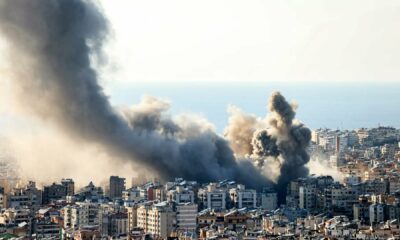
Iran has continued retaliatory missile and drone attacks in the Gulf, while Israel launched strikes on Lebanon after rockets were fired by the Tehran-backed militant group Hezbollah in response to Khamenei’s killing.
The risk now is regional spillover and markets are pricing that possibility in real time.
A fragile balance
Although crude prices have pulled back from their initial highs and stock markets have pared some losses, the outlook remains volatile.
Oil had already been climbing last week amid speculation that an attack was imminent, especially as talks over Iran’s nuclear programme faltered.
The immediate shock may have eased slightly, but uncertainty remains firmly in place.
And in global markets, uncertainty is often the most expensive commodity of all.