News
Ormonde building collapse puts South Africa’s construction failures under the spotlight
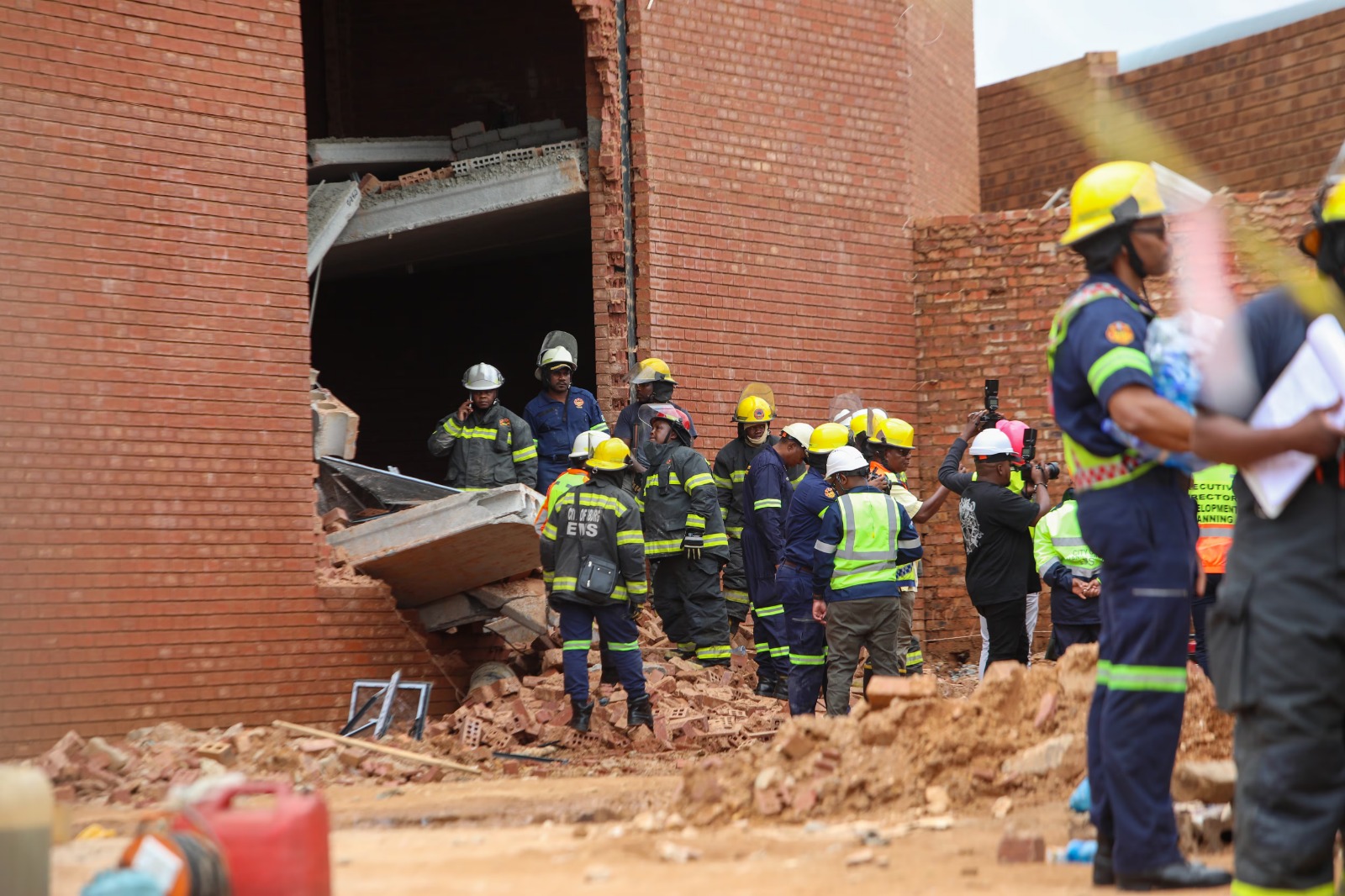
For many Joburg residents, the collapse of a multi-storey building in Ormonde earlier this month felt like more than just another headline. It was a stark reminder of how quickly everyday spaces can turn dangerous when systems fail.
Now, as the dust settles and families continue to mourn, the national conversation is shifting. The question is no longer only what happened but how it was allowed to happen in the first place.
Investigation nearing its final chapter
The collapse on March 2 claimed nine lives and left three others injured. In the days that followed, the scale of the tragedy prompted swift action from the government.
Public Works and Infrastructure Minister Dean Macpherson tasked the Council for the Built Environment with leading a detailed investigation. This is not a simple review. It is a wide-ranging probe looking at everything from structural design to regulatory oversight and professional conduct.
According to the minister, the investigation is now close to completion. Its findings are expected to clarify whether negligence, misconduct, or failures in compliance played a role.
“Stop cutting corners”
Speaking during a site visit this week, Macpherson did not mince his words. Contractors, he said, must take responsibility and prioritise safety over shortcuts.
His comments have struck a chord online. Across local social platforms, many South Africans have echoed the same frustration. There is a growing sense that preventable mistakes are costing lives, and patience is running thin.
At the same time, the minister acknowledged that the issue goes deeper than individual projects. There are gaps in the system itself.
A fragmented system under scrutiny
One of the biggest concerns raised is how scattered the regulation of the built environment has become. Different departments and bodies oversee different parts of the process, often without seamless coordination.
Macpherson believes this fragmentation weakens enforcement. His proposal is clear. Bring processes, legislation, and oversight into a more unified structure so accountability does not fall through the cracks.
This is not just theory. Plans are already underway for discussions with the departments of Human Settlements and Labour and Employment, with a joint report to Cabinet expected soon.
A worrying detail at the collapse site
One detail from the Ormonde site has raised eyebrows. The building stood close to an Eskom electricity pylon, something that should have triggered strict municipal oversight.
For many observers, this points directly to another issue. The ability of municipalities to enforce their own bylaws.
If local authorities lack the capacity or resources to monitor developments properly, even the best national policies can fail on the ground. It is a concern that residents across Johannesburg will recognise, especially in fast-growing areas where construction often outpaces oversight.
A wider pattern South Africa cannot ignore
The Ormonde tragedy is not an isolated incident. Concerns about building collapses have been growing, and lawmakers are taking note.
Carol Phiri, who chairs Parliament’s Portfolio Committee on Public Works, has also called for urgent legislative action. Key bills aimed at strengthening infrastructure oversight are now under renewed pressure to move forward.
Her warning is simple but sobering. Without stronger systems, more lives could be lost.
What happens next
As the final report approaches, South Africans are waiting for answers. But beyond accountability, there is a deeper expectation. Change.
For Joburg in particular, this moment feels critical. A city constantly rebuilding itself cannot afford weak enforcement or fragmented regulation. Every crane on the skyline represents progress but also risk if standards are not upheld.
The Ormonde collapse has forced an uncomfortable but necessary conversation. One that goes beyond a single building and asks whether the country’s construction ecosystem is truly fit for purpose.
If the promised reforms follow through, this tragedy may yet lead to a safer future. If not, it risks becoming another warning that went unheard.
Follow Joburg ETC on Facebook, Twitter, TikT
For more News in Johannesburg, visit joburgetc.com
Source: IOL
Featured Image: theherald.co.za