News
Nine months on, silence remains: the unresolved killing of Omotoso whistleblower Pamela Mabini
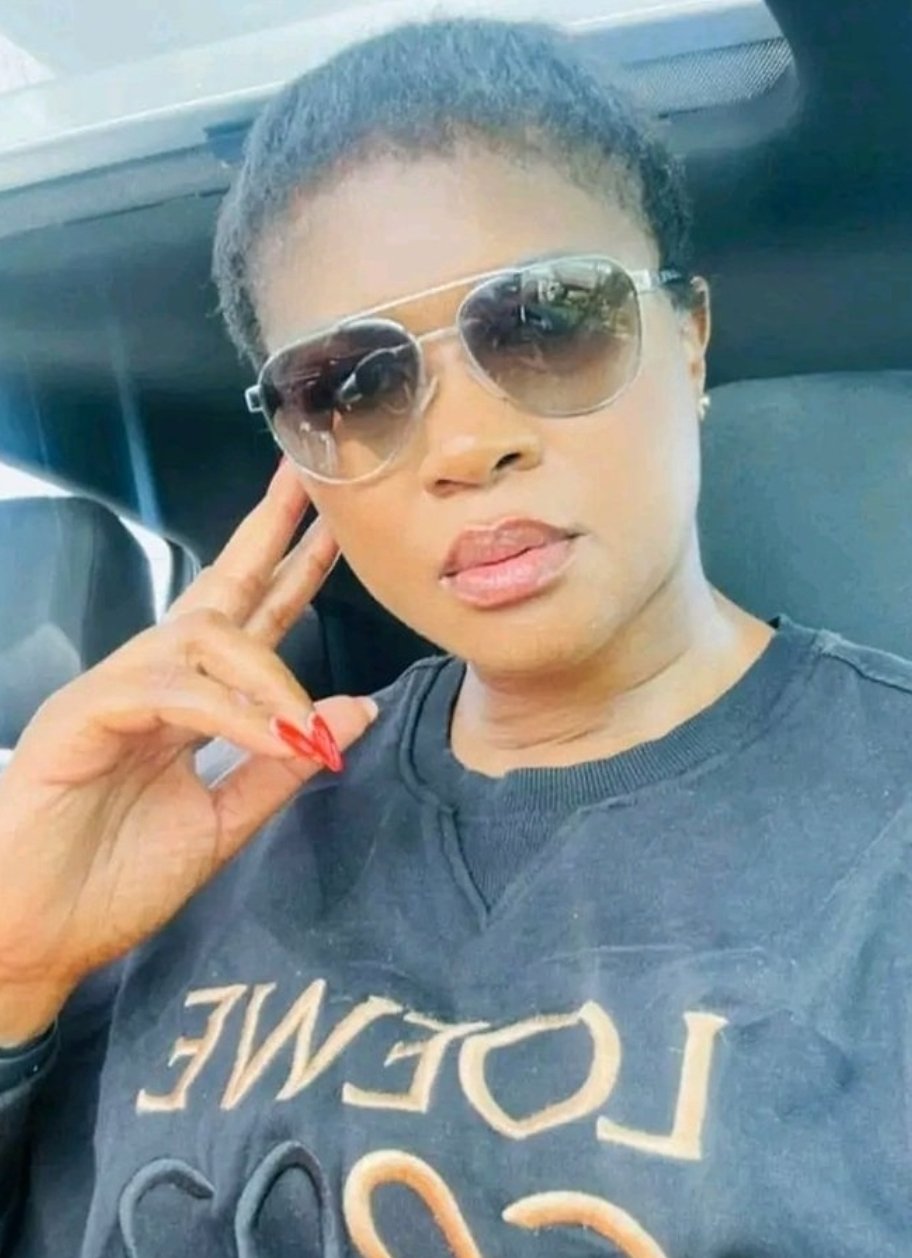
She spoke up and paid the ultimate price
Nine months after Pamela Mabini was shot dead outside her home in KwaZakhele, Gqeberha, the silence from law enforcement is growing louder. No arrests. No suspects. Just a grieving family and a community still asking how a woman brave enough to expose abuse could be left so unprotected in life, and now in death.
Mabini, a 46-year-old community activist and whistleblower, was murdered on the morning of 7 March, ambushed while sitting in her car outside the home she shared with her mother, siblings and niece. Her killing sent shockwaves across South Africa, particularly among activists working in gender-based violence and whistleblower protection.
A voice that helped crack open a powerful case
Pamela Mabini was not a bystander in the Timothy Omotoso saga. She was central to it.
Between 2015 and 2017, while the Cultural, Linguistic and Religious Rights Commission (CRL) was investigating the commercialisation of religion and abuse of belief systems, Mabini came forward with information about alleged sexual abuse and possible human trafficking by a religious leader.
That information, the CRL later confirmed, directly led to the arrest of Nigerian televangelist Pastor Timothy Omotoso in 2017.
Omotoso was eventually charged with 63 counts, including rape, sexual assault, racketeering and human trafficking. Some of the alleged victims were still teenagers when the abuse reportedly began.
Fear, exposure and a broken protection system
As the case unfolded, witnesses, including Mabini, found themselves under growing pressure. According to the CRL, those who testified were exposed to serious risk, worsened by an ineffective witness protection programme, changes in prosecutors and even changes in the presiding officer, forcing at least one witness to relive traumatic testimony more than once.
Mabini’s family later revealed that her murder was the third attempt on her life.
Still, she kept going.
Murder, then acquittal and an open wound
Mabini was killed just one month before Omotoso and his two co-accused were acquitted of all charges in April. The verdict stunned the country and reignited debates around prosecutorial failures in GBV cases.
A month later, Omotoso reportedly left South Africa for Nigeria.
For Mabini’s family, the timing has been devastating.
“The outcome of the case killed the spirit of exposing wrongdoing,” said her cousin and family spokesperson, Luzuko Gaxamba.
“When you risk your life for justice and in the end there is none, it breaks something inside you.”
A family still waiting, a legacy still standing
Eastern Cape police spokesperson Sandra Janse van Rensburg has confirmed that investigations into Mabini’s murder are ongoing, but no arrests have been made.
Behind those words is a family struggling to survive emotionally and financially. Mabini was the breadwinner, caring for her elderly mother, siblings and niece.
“Things have never been the same,” Gaxamba said. “She carried the family.”
Yet even in death, her work continues to echo.
Remembered not just as a whistleblower
Mabini recently received the 2025 Blueprint Africa Whistleblowing Prize, an honour that came during the 16 Days of Activism Against Gender-Based Violence, a moment her family says felt painfully fitting.
Through her NGO, the Maro Foundation, Mabini shifted her life’s focus entirely to service. She supported survivors of GBV, helped schoolchildren with basic necessities like sanitary pads, and fed homeless people with hot meals cooked by her own hands.
“She didn’t do this for praise,” her family says. “She did it because she saw a need.”
The bigger question South Africa must face
Pamela Mabini’s story forces an uncomfortable national question:
What protection does South Africa really offer its whistleblowers, especially women who challenge power?
Her murder remains unsolved. Her courage remains undeniable.
Nine months on, justice has not caught up with her killers. But her name continues to move through activist spaces, courtrooms, and community halls, a reminder that telling the truth in South Africa can still cost you your life.
And that silence, too, is a kind of verdict.
{Source: IOL}
Follow Joburg ETC on Facebook, Twitter , TikTok and Instagram
For more News in Johannesburg, visit joburgetc.com