News
The hunter becomes the hunted: Paul O’Sullivan’s uneasy day in Parliament
The hunter becomes the hunted
There are days in Parliament that feel procedural. And then there are days that feel like theatre.
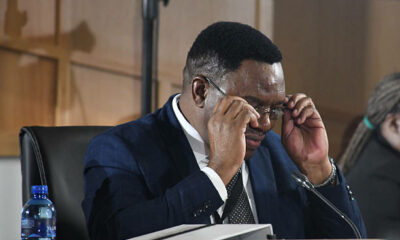
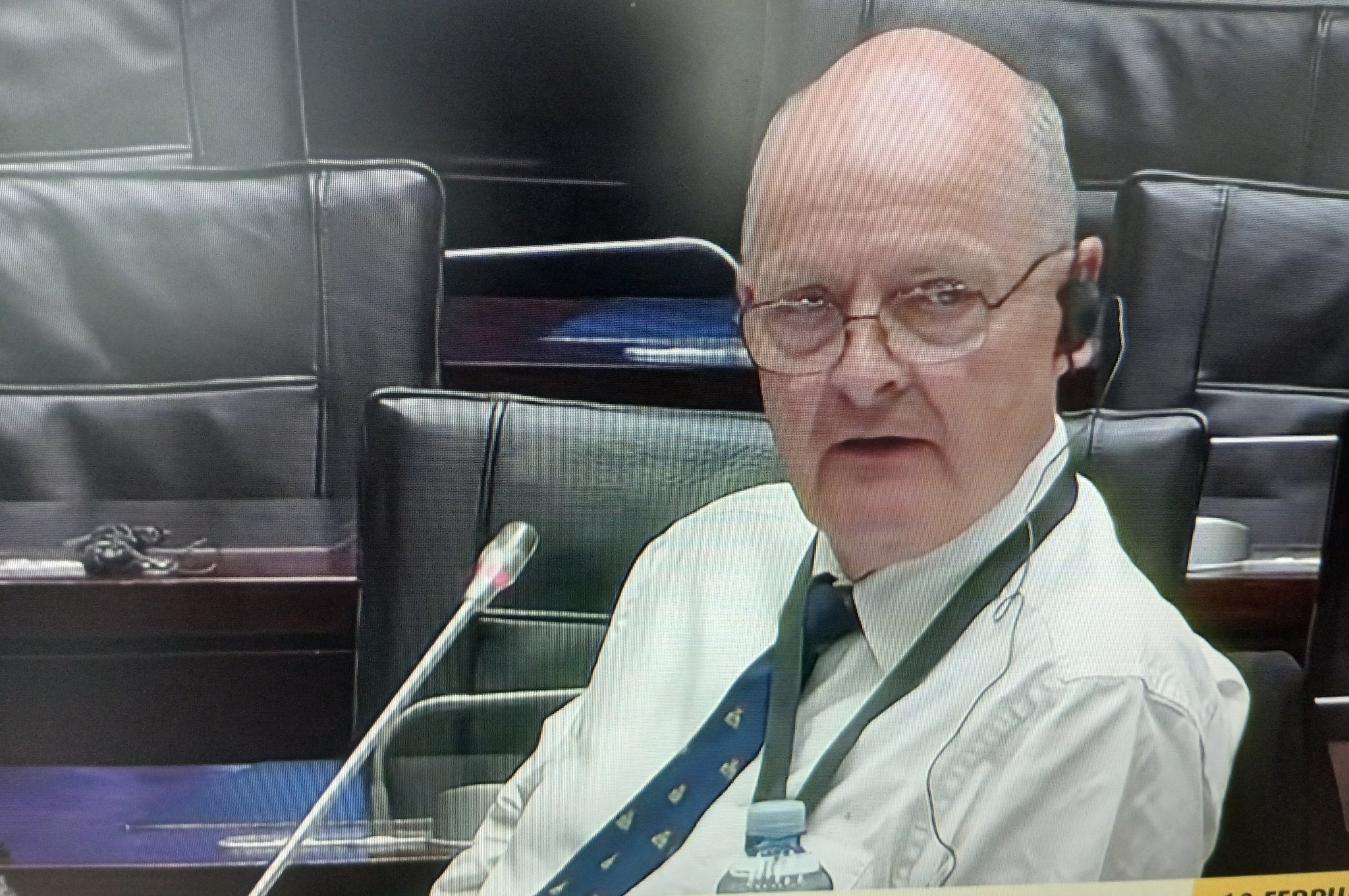
When Paul O’Sullivan finally walked into the ad hoc committee room, after unsuccessfully trying to appear virtually, it was clear this would be the latter.
For years, O’Sullivan has cultivated the image of a fearless forensic investigator. A man unafraid to take on powerful figures. A media-savvy crusader who once dared to label KwaZulu-Natal Police Commissioner Nhlanhla Mkhwanazi a “criminal”.
He arrived promising fireworks. “I have receipts, I will reveal all!” he declared confidently before taking his seat.
What followed was less blockbuster, more slow unravelling.
Not on his terms
From the outset, O’Sullivan attempted to set boundaries.
“We can sit here all day, Chair, but I won’t answer questions relating to pre-1994 regarding my family or business,” he told the panel, before proceedings had properly begun.
The committee wasn’t having it.
South Africa’s parliamentary committees are not social media platforms. You don’t get to dictate the thread.
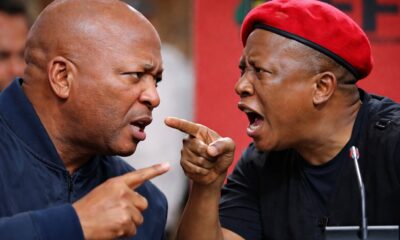
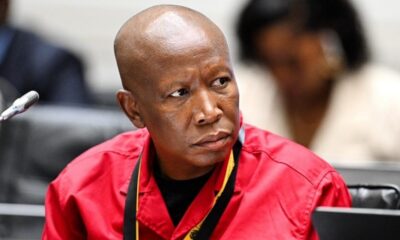
EFF leader Julius Malema quickly reminded him of that. “You’re not going to come here, take an oath, and then tell us what questions you won’t answer. It doesn’t work like that,” Malema shot back.
Other committee members echoed the sentiment. The tone was set and it wasn’t O’Sullivan’s.
A carefully built persona meets political reality
O’Sullivan’s public persona has long been bold, even intimidating. Over the years, he has been linked through rumour and accusation to powerful networks within policing structures. Talk of alleged influence over crime intelligence and whispers of a so-called “Big 5 cartel” within SAPS have trailed him, whether substantiated or not.
He stands accused of being the mastermind behind crime intelligence operations, specifically relating to the Independent Police Investigative Directorate (IPID). He denies this.
But inside the committee room, the aura shifted.
When instructed by chairperson Molapi Lekganyane to face Malema while responding to him, O’Sullivan said he could not turn due to a spinal problem. The room murmured. Assistance was provided to turn his chair.
Then came another request: the chair kept moving, he said. Could he get a cushion?
It was a striking contrast the man who once projected untouchable confidence now visibly uncomfortable, fielding procedural instructions about where to look and how to sit.
On social media, the reactions were swift and divided. Some mocked the moment. Others cautioned against making light of a medical issue. But the symbolism wasn’t lost on viewers: the feared investigator was now being scrutinised in full public view.
Credentials under the microscope
As the day unfolded, O’Sullivan laid out his version of events and his career trajectory.
He spoke of his crime-fighting work, his role in training 150 police reservists including President Cyril Ramaphosa and his engagements with former president Kgalema Motlanthe. He described how, armed with a trainer course certificate, he rose through key forensic operations in South Africa.
He also acknowledged that he was not security-vetted, yet managed to secure positions within SAPS, head airport security operations and hold roles linked to national key points revelations that visibly unsettled committee members.
Throughout, he maintained that he had nothing to do with crime intelligence and that the perception of his involvement was false.
When pressed for documentation or precise details to substantiate some claims, he was selective in his memory recalling specific dates in some instances while citing age-related lapses in others.
MPs were not convinced.
Tempers flare
By the end of the day, patience wore thin.
Committee members signalled they were done with what they viewed as self-praise and name-dropping. The questioning sharpened. The atmosphere tightened.
Then came the flashpoint.
“If I am going to be subjected to a kangaroo court, I will withdraw my co-operation!” O’Sullivan warned, red-faced and visibly frustrated.
Malema did not hold back, accusing him of displaying a “white supremacist attitude” and insisting the committee would continue to ask its questions.
Chairperson Lekganyane stepped in again, calming tempers and appealing for cooperation. The session closed with a warning from MPs that tougher questioning lay ahead.
A broader reckoning
Beyond the personalities and theatrics, the hearing touches something deeper in South Africa’s political culture.
For decades, allegations of shadow networks, crime intelligence manipulation and behind-the-scenes influence have circulated in whispers. Figures like O’Sullivan thrive or suffer in that murky space between whistleblower and alleged operator.
What made this hearing significant was not just who said what. It was the visual shift.
The man often portrayed as the hunter, exposing corruption, naming names, found himself encircled by MPs determined to test every claim.
Whether he emerges vindicated or further entangled remains to be seen. The committee has made it clear this was only the first round.
As one observer quipped online: “In South Africa, even the watchdogs get audited.”
The next sitting promises more heat.
For now, the message from Parliament was simple: no one, however mighty their reputation, sets the rules in that room.