News
Petrol Price Shock Looms For South Africa As Massive April Increase Predicted
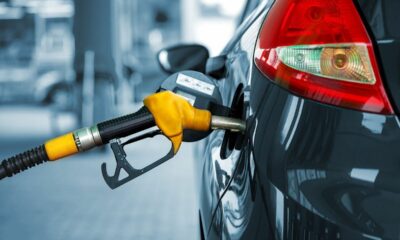
South African motorists could soon face one of the most painful fuel price increases in recent memory, with early projections suggesting petrol prices may jump by nearly R4 per litre in April.
According to the latest data from the Central Energy Fund (CEF), the country’s official fuel price monitoring body, current market conditions point to a steep increase across petrol, diesel and paraffin. The numbers reflect the situation at the end of the second week of March and show that fuel price recoveries have worsened significantly in recent days.
If the trends continue, drivers across South Africa may soon feel the impact at the pumps.
Early Data Points To Massive Fuel Price Hikes
The CEF’s current projections show severe under recoveries across all fuel types, which is the key indicator used to calculate future price adjustments.
The latest snapshot suggests the following possible increases:
-
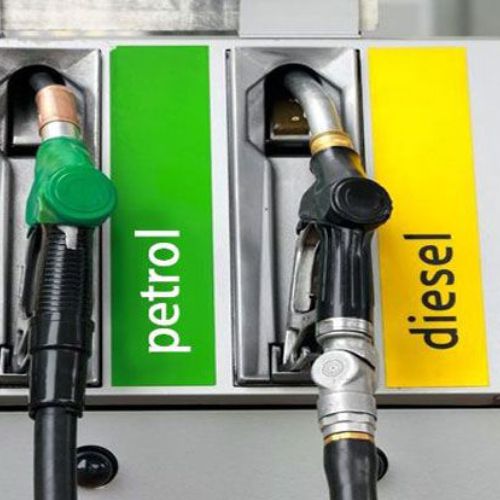
Petrol 93: increase of about 362 cents per litre
-
Petrol 95: increase of about 398 cents per litre
-
Diesel 0.05%: increase of about 663 cents per litre
-
Diesel 0.005%: increase of about 675 cents per litre
-
Illuminating paraffin: increase of about 853 cents per litre
In simple terms, this means petrol could climb close to R4 per litre, while diesel users may face increases well above R6 per litre if current conditions persist.
The projected increases reflect a sharp deterioration compared with the start of the month.
Middle East Conflict Driving Global Oil Prices
The sudden surge in projected fuel prices is largely tied to geopolitical tensions that have rattled global energy markets.
At the end of February, the United States and Israel launched a military operation targeting Iran. The strikes, which reportedly hit Tehran and killed Iran’s former Supreme Leader Ali Khamenei, triggered swift retaliation from Iran against US military bases in neighbouring countries.
As the conflict escalated, global markets reacted immediately.
Oil prices surged dramatically, climbing from below $60 per barrel earlier this year to above $110 per barrel in recent weeks. Although prices have cooled slightly, they remain elevated above the $100 per barrel mark, keeping pressure on fuel costs worldwide.
For a country like South Africa, which relies heavily on imported fuel, such spikes in global oil prices quickly translate into higher local pump prices.
Weak Rand Adds To The Fuel Price Pressure
The oil shock has not been the only factor driving the looming price increases.
The escalation of global tensions also weakened the South African rand, as investors shifted funds away from emerging markets and into traditional safe haven assets.
The currency moved from levels below R16 to the dollar back toward R17, undoing much of the progress made earlier in the year.
Although higher prices for commodities like gold and platinum have provided some support for the rand, the currency’s decline still worsens the cost of importing fuel.
The combination of expensive oil and a weaker rand creates the perfect storm for fuel price increases.
Fuel Levies Set To Push Prices Even Higher
Unfortunately for motorists, global market pressures are only part of the problem.
April marks the start of South Africa’s new financial year, which also brings a set of tax adjustments that will add further pressure to fuel prices.
From 1 April, government will implement several increases in fuel related levies:
-
The general fuel levy will rise by 9 cents per litre for petrol and 8 cents per litre for diesel
-
The carbon fuel levy will increase by 5 cents per litre for petrol and 6 cents per litre for diesel
-
The Road Accident Fund levy will increase by 7 cents per litre, reaching R2.25 per litre
Together, these changes will add around 21 cents per litre to petrol prices.
Calls For Government To Intervene
With motorists already facing the prospect of steep increases, civil rights group AfriForum has urged government to reconsider the planned levy hikes.
The organisation has written to Finance Minister Enoch Godongwana, asking that the fuel levy increase be halted and replaced with temporary tax relief to soften the blow.
South Africa has used a similar approach before. In 2022, government introduced a temporary R1.50 per litre reduction in the general fuel levy to shield households from the global energy crisis triggered by the war between Russia and Ukraine.
That relief was gradually phased out as markets stabilised, with fuel levies returning to their normal levels and remaining frozen until recently.
A Difficult Month Ahead For Motorists
While the final fuel price adjustments for April will only be confirmed closer to the end of the month, current indicators suggest South African drivers may soon face a significant increase at the pump.
With global oil prices still high, a weaker rand, and tax increases on the way, April could mark one of the toughest months for motorists and businesses that depend on fuel.
For many households already navigating rising living costs, the coming weeks may bring yet another financial squeeze.
{Source:Business Tech}
Follow Joburg ETC on Facebook, Twitter , TikTok and Instagram
For more News in Johannesburg, visit joburgetc.com