News
Petrol Prices Get R2.70 Lifeline But South Africans Aren’t Out Of The Woods Yet
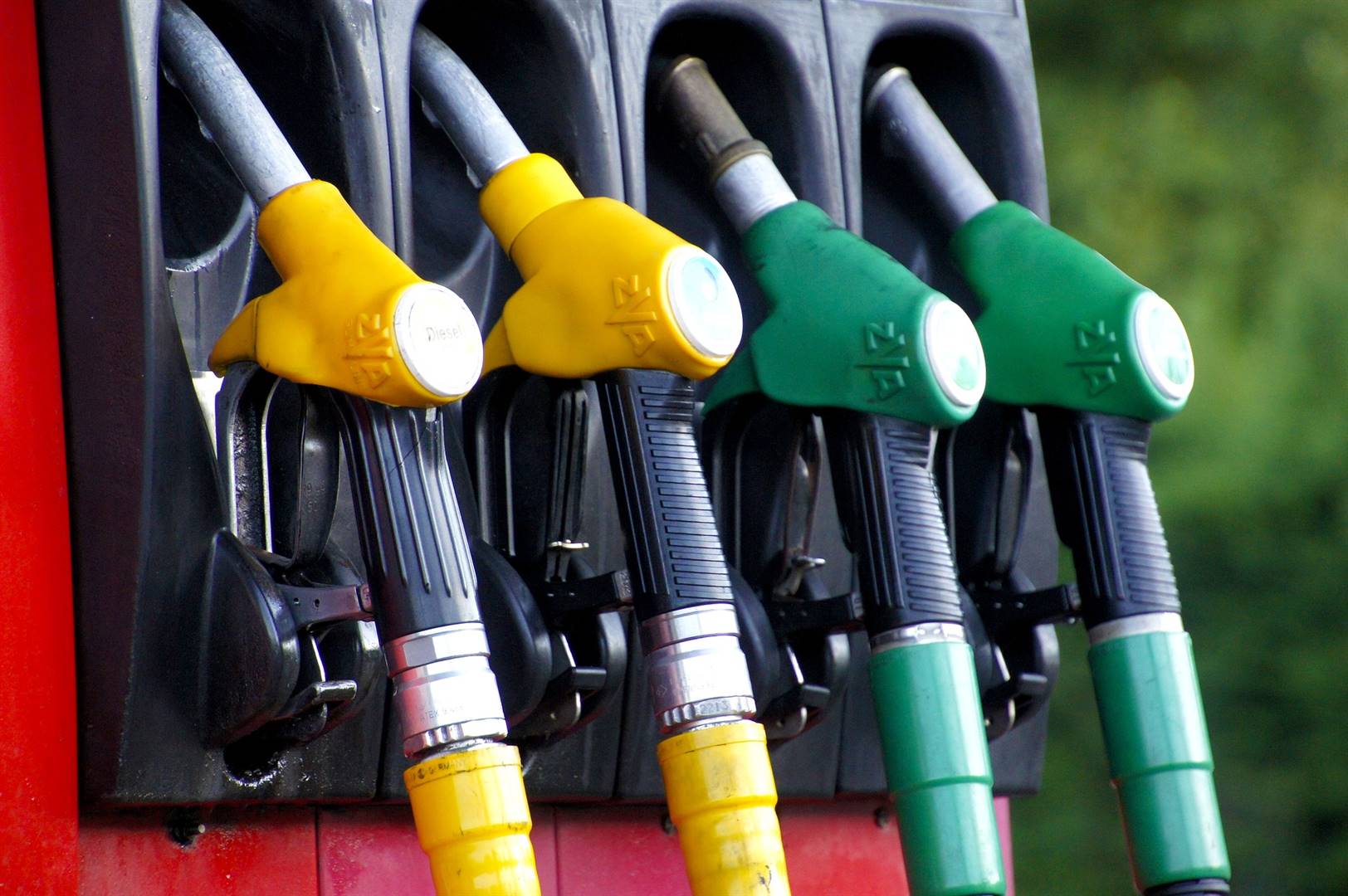
For weeks, South Africans have been bracing for another painful fuel hike. Now, almost overnight, the outlook has shifted.
A sudden ceasefire between the United States and Iran has cooled global markets and brought much-needed relief to oil prices. And locally, that shift could translate into around R2.70 per litre in relief for petrol.
It sounds like good news. But as with most things tied to global politics and fuel, it is not that simple.
A Sudden Turn In Global Markets
The breakthrough came after a two-week ceasefire agreement in the Middle East, which immediately eased fears of a prolonged conflict disrupting oil supply.
Before the announcement, oil prices had surged to around $111 a barrel. Within hours of the ceasefire, that figure dropped sharply to about $94.
That $17 decline is significant. According to Aluma Capital Chief Economist Frederick Mitchell, it effectively removes what economists call the “war premium” that had been inflating prices.
For South Africa, where fuel prices are tied directly to international markets, that shift matters.
The drop alone translates to roughly 212 cents per litre in daily relief on fuel pricing.
Why The Rand Matters Just As Much
It is not just oil doing the heavy lifting.
The rand has also strengthened in response to calmer global markets. Moving from around R16.95 to roughly R16.42 against the dollar, the local currency has added further downward pressure on fuel costs.
For a country that imports its fuel, this is a double win.
The stronger rand contributes an additional 58 cents per litre in relief. Combined with the oil price drop, that brings total potential relief to about R2.70 per litre.
In simple terms, South Africa is finally catching a break from the global forces that have been pushing prices higher.
Why May Prices Could Still Hurt
Here is where the optimism hits a wall.
Despite the positive shift, much of the damage has already been done. The first week of April saw extremely high oil prices, and those costs are already locked into the calculations for May’s fuel prices.
Data from the Central Energy Fund shows under-recoveries sitting at around R4.40 per litre for petrol and a staggering R12.50 for diesel before the ceasefire even happened.
That means the relief will likely soften the blow rather than cancel it out.
In other words, instead of a worst-case scenario, South Africans may simply face a slightly less painful increase.
The Tax Question Still Looms
There is another factor that could undo all of this progress.
In April, National Treasury introduced a temporary R3.00 per litre tax relief to cushion motorists from rising fuel costs. But that relief was only meant to last one month.
If it is removed in May, it could wipe out the benefits of the lower oil price entirely.
Even with global conditions improving, the return of that tax would push prices right back up, making inflation harder to manage and putting pressure on households and businesses alike.
A Fragile Window Of Relief
There is also the question of how long this calm will last.
Market analysts have warned that the current relief depends heavily on the ceasefire holding. If tensions flare up again, oil prices could spike just as quickly as they dropped.
That leaves South Africa in a familiar position, vulnerable to events far beyond its borders.
What It Means For South Africans
For now, the outlook is cautiously optimistic.
Motorists, transport operators, and everyday consumers may get a bit of breathing room after weeks of relentless increases. That could ease pressure on food prices, delivery costs, and inflation more broadly.
But the bigger picture remains uncertain.
The recent drop in oil prices may have prevented a crisis, but it has not solved the underlying problem. South Africa is still exposed to global shocks, and fuel remains one of the clearest examples of how international events hit home.
For many households, the question is not whether prices will rise again, but when.
{Source:Business Tech}
Follow Joburg ETC on Facebook, Twitter , TikTok and Instagram
For more News in Johannesburg, visit joburgetc.com