News
Bust in Dobsonville: Police Nab Foreign Nationals in Soweto Illegal Alcohol Raid

In a quiet Dobsonville street in Soweto, a residential house concealed an operation that was anything but homely. This past Saturday, Gauteng police moved in, acting on sharp intelligence, to dismantle an illicit alcohol manufacturing plant operating right under the community’s nose. The raid resulted in the arrest of two foreign nationals and laid bare the hidden risks of the underground liquor trade.
An Intelligence-Led Strike
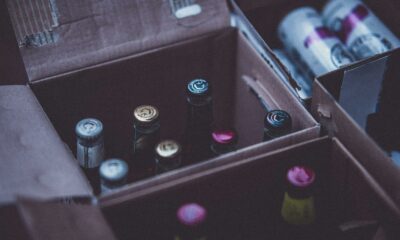
The operation was precise. Officers from the Johannesburg K9 unit, acting on specific information, descended on the property. What they found was a fully-fledged production line. Police spokesperson Colonel Dimakatso Nevhuhulwi confirmed the seizure of the manufacturing machinery, hundreds of ready-to-sell 100ml containers of illicit alcohol, and a stockpile of various branded alcohol labels intended for counterfeiting. Cash believed to be the proceeds of crime was also confiscated.
The discovery of branded labels is particularly alarming, pointing to a scheme that could see potentially dangerous, unregulated liquor passed off as legitimate products to unsuspecting buyers in township shebeens and informal markets.
Health and Economy in the Crosshairs
Beyond the legal breach, authorities highlighted the dual threat such operations pose. Provincial Police Commissioner Lieutenant-General Tommy Mthombeni warned that illegal alcohol production “not only affects the economy of the country but also the health of our communities because substances used as ingredients may be harmful.”
The unregulated nature of these products means they can contain dangerous substitutes like methanol or industrial alcohol, leading to poisoning, blindness, or even death. Economically, they undermine legitimate businesses, rob the fiscus of tax revenue, and fuel associated criminal activities.
Court Date Set, Investigation Continues
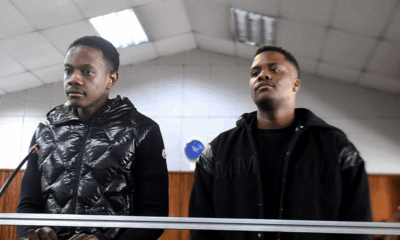
The two suspects are set to appear before a court on Monday, 19 January 2026, facing charges under the National Liquor Act 59 of 2003 for the illegal manufacturing of alcohol. Police have not ruled out further arrests as investigations continue into the distribution network that supplied materials and moved the finished product.
Commissioner Mthombeni urged the public to be partners in this fight, advising consumers to “only buy alcohol from registered liquor outlets” and encouraging communities to report suspicious activities. The Dobsonville bust is a clear signal that police are targeting the supply chain, but it also serves as a stark reminder: the cheapest bottle might carry the highest hidden cost.
Follow Joburg ETC on Facebook, Twitter , TikTok and Instagram
For more News in Johannesburg, visit joburgetc.com