News
Body Cameras and the Cost of Silence Inside South Africa’s Police Service
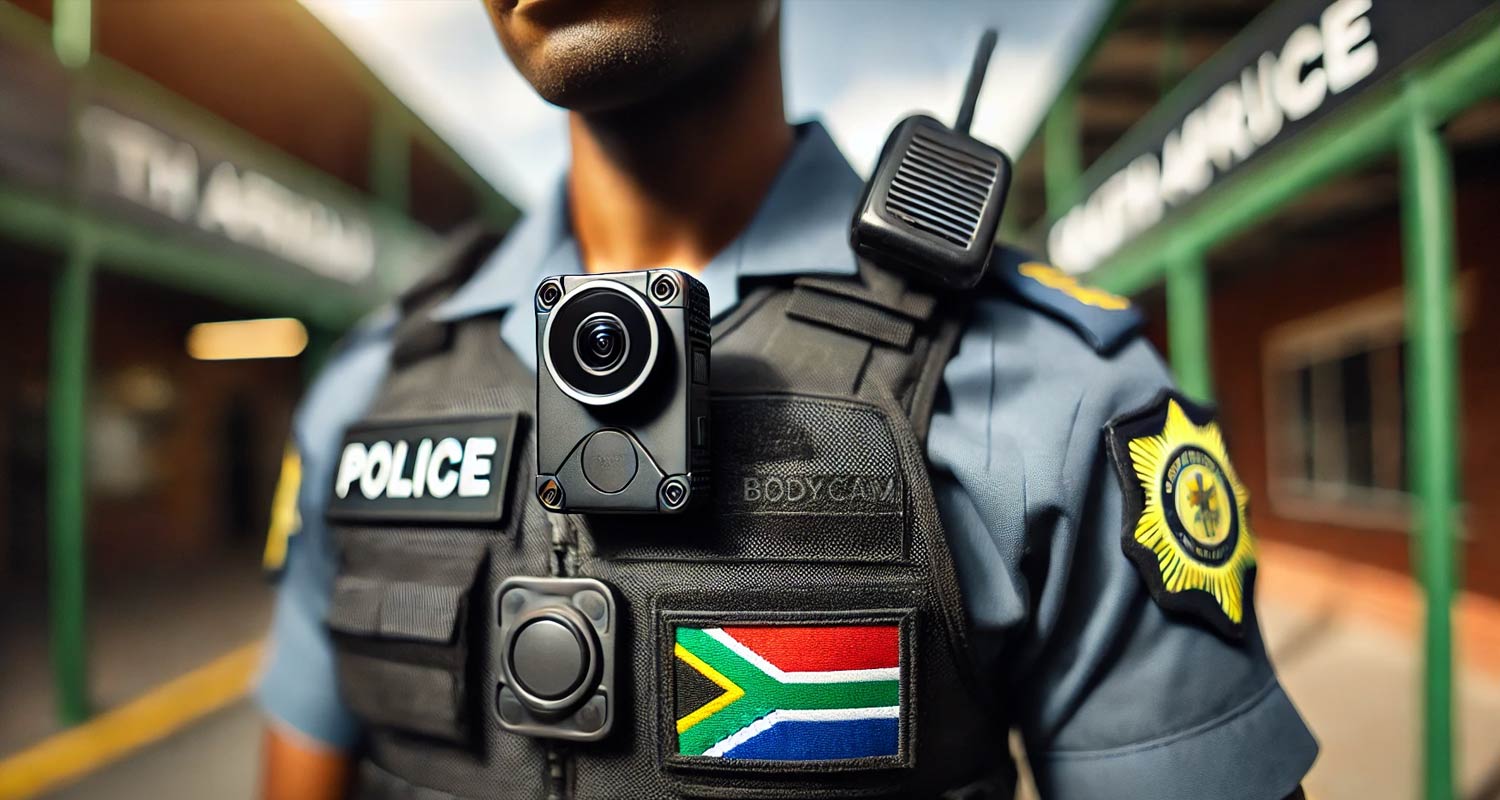
The debate around police body cameras in South Africa has flared up again, and this time the frustration is louder. After a promised trial failed to get off the ground in 2025, questions about transparency, accountability, and the protection of life are back on the table.
At the centre of the renewed pressure is a growing concern that, without independent video evidence, both police officers and communities are being left vulnerable when things go wrong during law enforcement operations.
A trial that never arrived
South African Police Service officers were meant to begin trialling body-worn cameras in April 2025. That deadline came and went quietly, with no revised date and no clear explanation to Parliament.
Nine months later, members of the National Council of Provinces were still in the dark about basic details such as cost, logistics, and data security. Early estimates put the price of a national body camera programme at around R15 million, before even accounting for long-term storage, maintenance, and training.
For critics, the silence has become part of the problem.
Police and the public both left exposed
Democratic Alliance MP Mzamo Billy, who serves on the Select Committee on Security and Justice, has been one of the most vocal voices calling for action. He argues that body cameras are not about punishing officers but about protecting everyone involved.
According to Billy, without objective footage, police officers are forced to rely on their word when incidents are disputed, while families and communities are left without independent proof when lives are lost. In a country with a deep history of mistrust between law enforcement and the public, that gap feeds anger and suspicion.
Each death involving police is investigated by the Independent Police Investigative Directorate, but Billy has warned that repeated claims of self-defence, without verifiable evidence, are steadily eroding public confidence.
KZN shootings sharpen the debate
The calls for body cameras intensified after a violent week in KwaZulu-Natal. In Inanda, police killed five suspects wanted for murder and attempted murder during an early morning operation. Two more suspects were later killed in the same area, with police saying the men had been terrorising the community.
In another incident, a businessman and a security guard died during a police raid on a residential property. In all cases, officers claimed the suspects opened fire first.
KwaZulu-Natal Police Commissioner Lieutenant General Nhlanhla Mkhwanazi has repeatedly warned that criminals who shoot at police should expect severe consequences. On social media, reactions have been split. Some users praised tough policing, while others questioned whether lethal force has become too routine in high-risk operations.
Lessons from abroad are not simple
Body cameras are often presented as a silver bullet, but international experience suggests a more complicated picture. In the United States, body-worn cameras were first rolled out in the early 2010s. The footage has increased transparency, but it has also frequently been used to clear officers of wrongdoing.
Former US federal prosecutor David de Villiers has noted that most body camera footage he reviewed ultimately supported police accounts, rather than contradicting them. That reality challenges the assumption that cameras automatically lead to more convictions of officers.
Evidence, not magic solutions
Locally, the Institute for Security Studies has weighed in on the stalled South African trial. With 460 deaths recorded by the Independent Police Investigative Directorate in 2024, ISS researcher Anine Kriegler believes body cameras could strengthen court evidence and shorten legal processes.
At the same time, she has cautioned that cameras alone do not prevent violence. Many fatal encounters happen in fast-moving, high-pressure situations where the presence of a lens is unlikely to change behaviour without strong leadership, proper oversight, and a culture of restraint inside the police service.
Kriegler has also stressed the need for clarity. Before spending millions, SAPS must decide exactly what problem body cameras are meant to solve and how success will be measured.
A question of trust, not just tech
For many South Africans, this debate goes beyond gadgets and budgets. It touches on a deeper question about trust in policing and the value placed on human life.
Body cameras will not fix everything, but the continued delay in even testing them is being read as a missed opportunity. As violent crime remains a daily reality and police confront increasingly dangerous situations, the call for transparency is unlikely to fade anytime soon.
Follow Joburg ETC on Facebook, Twitter, TikT
For more News in Johannesburg, visit joburgetc.com
Source: The Citizen
Featured Image: TechCentral