News
Pope Leo XIV challenges Trump’s claim that Europe is falling apart
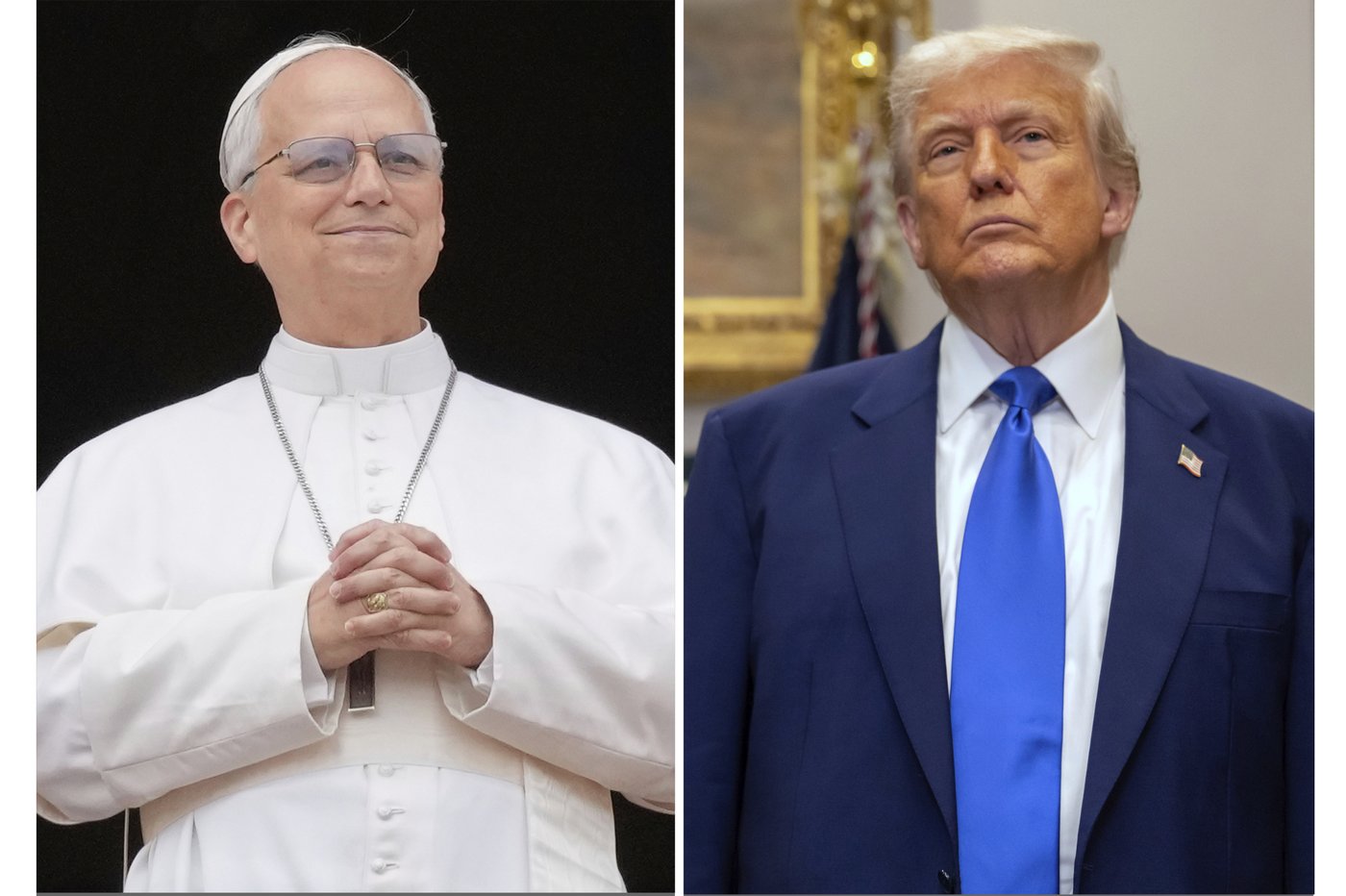
When a sitting United States president uses the word “decaying” to describe Europe, it is bound to stir global reactions. That moment came when President Donald Trump accused European leaders of being weak and claimed the region had failed to help bring an end to the war in Ukraine. His comments quickly travelled across continents and eventually reached the Vatican.
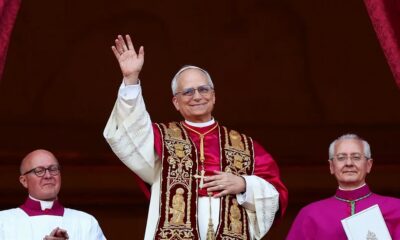
Pope Leo XIV did not let the characterisation go unanswered. In a wide-ranging interview with Politico, he made it clear that Europe still matters in world affairs and that dismissing its role only weakens the alliances needed to stabilise global conflict. His message landed as a quiet but firm reminder that diplomacy is not a solitary sport.
Europe cannot be written out of Ukraine peace efforts
The Pope spoke directly to the suggestion that peace talks can be brokered without European involvement. He called the idea unrealistic and stressed that any serious conversation about security guarantees must include the very continent that has absorbed most of the war’s political and humanitarian shockwaves.
While Trump has pressed for quicker negotiations, including a request from his envoys for a rapid response from Ukrainian President Volodymyr Zelensky, the Pope’s view stands in contrast. He sees Europe’s participation as essential rather than optional. For many observers, this represents a wider debate about who gets to shape the future of the region.
Growing tension between Western partners
In recent months, the European Union has refused to enter peace talks with Moscow, a choice that Russian officials have criticised as megaphone diplomacy. The Kremlin has suggested that European leaders have complicated negotiations by making demands that Russia finds unacceptable.
At the same time, Washington is increasing pressure on Ukraine to reach a deal. According to reports, American officials hope an agreement can be reached by Christmas. However, Kiev’s European supporters remain hesitant, adding to the sense that Western partners are pulling in different directions.
A diplomatic divide with global implications
The Pope’s comments add another voice to the conversation, one that carries moral weight across borders. His response has been noticed across European media, where public opinion has grown increasingly weary of inflammatory language. In regions like Southern Africa, where global politics often shape local economic expectations, readers have followed the exchange with interest as it signals shifting alliances.
The Pope’s remarks also offer a broader reflection on unity in a time when global cooperation is thin. His suggestion that Trump’s language risks breaking apart relationships touches on a deeper fear among many Europeans. They worry that political rhetoric is replacing the slow and difficult work of diplomacy.
Why this moment matters
Europe finds itself navigating war, migration pressures, and economic strain. To be called decaying at such a moment invites both defensiveness and debate. The Pope’s intervention gives Europe a public vote of confidence, signalling that the continent still plays a critical role in international security.
His message also speaks to something universal. Whether in Brussels or Johannesburg, people understand that alliances require patience and respect. When world leaders exchange provocative labels, the consequences ripple far beyond the interview rooms where they are said.
For now, the Vatican has placed itself firmly in the conversation about how peace should be pursued and who gets to shape it. The Pope has chosen to stand with Europe at a moment when its leadership is being questioned on the world stage.
Follow Joburg ETC on Facebook, Twitter, TikT
For more News in Johannesburg, visit joburgetc.com
Source: IOL
Featured Image: CityNews Halifax