News
South Africa’s Unborn Children Are Dying, Why a Pregnancy Grant Could Save Thousands
South Africa’s Unborn Children Are Dying And a Pregnancy Grant Could Save Them
Over 1 000 children dead in 18 months as government delays support for pregnant women
South Africa is once again confronting a painful truth: in a country with world-class malls and billionaire boardrooms, babies are still dying of hunger.
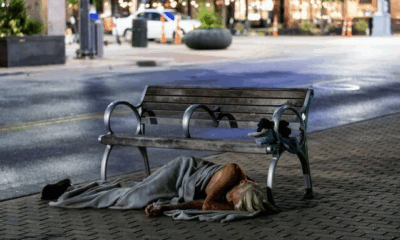
Over the last 18 months, more than 1 000 children have died in hospital from severe acute malnutrition a crisis that child-rights groups say is not only preventable, but deeply embarrassing for a country with one of Africa’s biggest economies.
And now those groups are making a simple plea: give pregnant women direct financial support before their babies arrive, and thousands of lives could be saved.
A pregnancy grant that could change everything
A draft policy is on the table, the Maternal Support Grant (MSG), sometimes called the pregnancy grant.
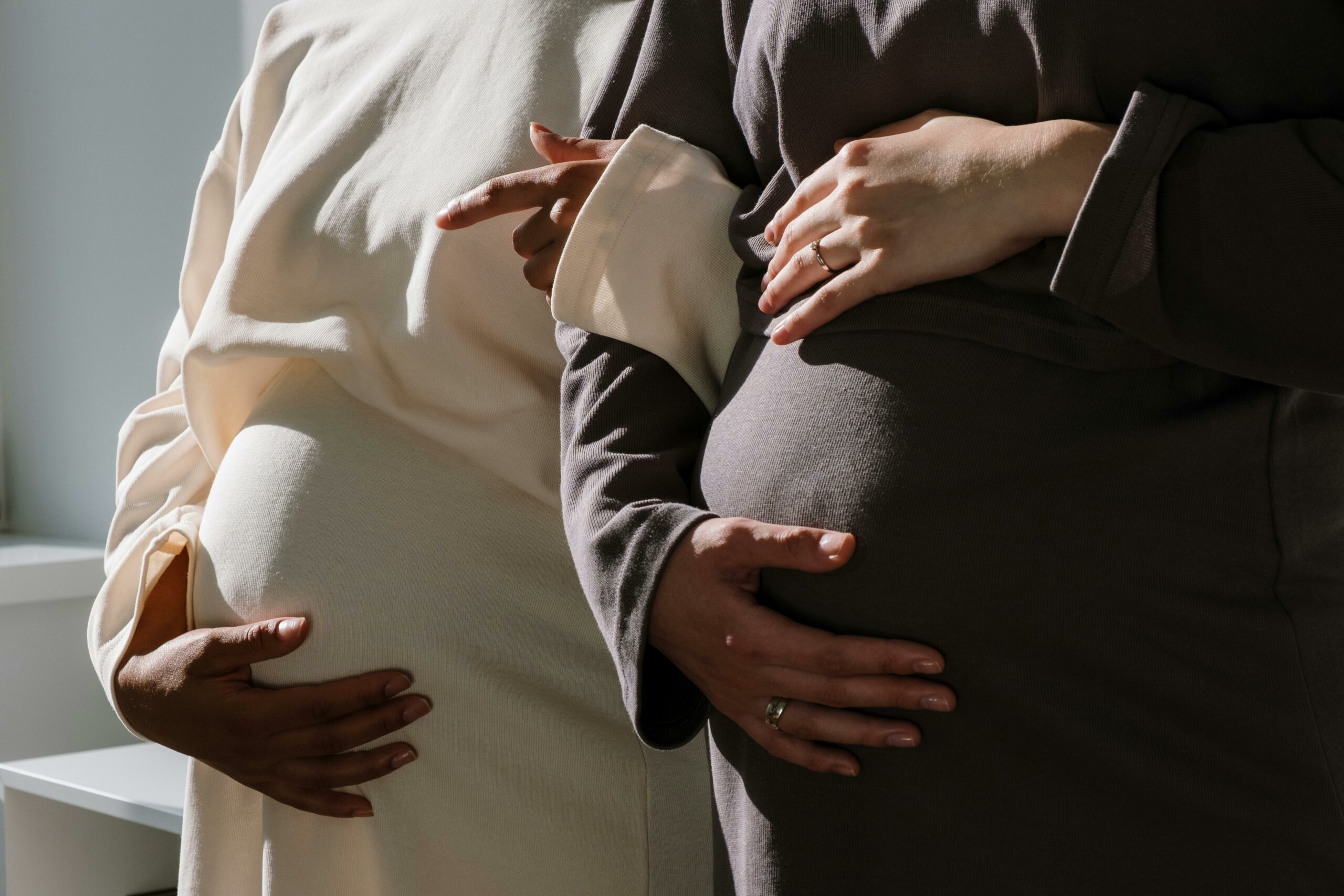
The idea is straightforward: the child support grant would be extended to expectant mothers, ensuring adequate nutrition during pregnancy.
It would cost around R2 billion per year to implement a fraction of the nearly R13.8 billion South Africa loses annually in healthcare and long-term costs linked to babies born too small or too sick due to malnutrition.
The proposal comes from the DG Murray Trust (DGMT), a long-standing public innovation foundation. They argue that the grant is both humane and economically sensible.
As DGMT CEO David Harrison puts it:
“A quarter of South Africa’s children fail to get out of the starting blocks to life, damaged by chronic malnutrition.”
Stunting: The silent crisis stealing our children’s futures
Across South Africa, stunting, the lifelong effects of chronic malnutrition affects over 25% of children under five.
Many South Africans don’t realise stunting is not about a child simply being short. It affects brain development, school readiness, immunity, and lifelong earning potential. It is, in effect, the theft of a future.
And unlike the dramatic hunger crises people associate with remote villages or refugee camps, South Africa’s stunting epidemic is quieter, slower, and harder to see, but far more widespread.
Between 15 000 and 20 000 children suffer severe acute malnutrition each year. More than a thousand die annually.
Some regions carry a heavier burden. Nelson Mandela Bay, for example, has seen over two dozen children starve to death in just one year.
For a country that prides itself on its Constitution and social protections, this is a national scandal.
Mothers speak of hunger, guilt and mental strain
Malnutrition is not only physical it carries a heavy emotional cost.
Following research in northern Nigeria, Doctors Without Borders (MSF) found that children suffering from hunger often become withdrawn, miss key developmental milestones, and show signs of psychological distress.
Mothers and caregivers, meanwhile, experience overwhelming guilt and stress as they struggle to feed and nurture their children without resources.
In response, MSF has begun integrating mental health support into nutrition programmes counselling, stimulation play, and emotional healing. Their message is clear: hunger damages both the body and the mind.
South Africa still has no national plan to reduce stunting
Despite years of warnings, South Africa still lacks:
-
A national target for reducing stunting
-
A clear plan to eliminate it
-
Coordinated leadership across government
This leadership vacuum frustrates NGOs, health workers and academics who’ve watched malnutrition worsen while political debates drag on.
DGMT argues that Parliament must treat the issue with urgency, not occasional speeches and statements.
Even President Cyril Ramaphosa, who often highlights the need for food affordability, has yet to see those words translate into a nationwide, measurable plan.
Food security plans and a bold proposal for cheaper staples
Government is now planning to establish a National Food and Nutrition Council. But experts warn that this alone won’t fix the core problem: many families simply can’t afford healthy food.
To address this, DGMT and Grow Great have proposed a double-discount system for protein-rich staples. The idea:
-
Manufacturers drop their profit on one product label
-
Government matches that discount
-
Prices on specific items fall by 20–25%
Cost to the state: about R4.5 billion annually.
According to Grow Great’s Dr Edzani Mphaphuli, the focus must be on foods that deliver maximum nutrition at the lowest possible cost, especially for families living in deep food poverty.
Why a pregnancy grant matters and why it’s urgent
Food insecurity during pregnancy dramatically increases the chances of delivering a low-birthweight baby (under 2.5kg).
These babies face:
-
Triple the risk of stunting
-
Higher rates of infant illness
-
Developmental delays
-
Greater likelihood of early death
But global evidence shows something powerful: income support during pregnancy sharply reduces low birthweight and childhood stunting.
In other words, the pregnancy grant works and it works fast.
A country running out of time
South Africa is at a crossroads. It can either continue watching preventable child deaths mount each year, or it can invest early, cheaply, and compassionately in mothers and unborn children.
For many NGOs, the call is not just for policy, but for political will.
It shouldn’t take another 1 000 dead children to force action.
{Source: The Citizen}
Follow Joburg ETC on Facebook, Twitter , TikTok and Instagram
For more News in Johannesburg, visit joburgetc.com