News
Dark for years: Why Pretoria East streets are still without lights
When the lights never come back on
In several Pretoria East suburbs, darkness has stopped being a temporary inconvenience and started feeling like a permanent condition. In streets across Lynnwood Manor, Lynnwood Ridge, Die Wilgers, and Remskoen, residents say broken streetlights have been left unattended for years, turning once ordinary residential roads into nightly hazards.
For people who live here, this is no longer about aesthetics or comfort. It is about safety, visibility, and a growing sense that residential areas have slipped down the city’s list of priorities.
Years of reporting, little to show for it
Some residents say they have been logging faults for close to five years. Service tickets are opened, reference numbers issued, and then quietly closed, often without any repair taking place on site. The frustration has built slowly, fuelled by repetition and the absence of visible progress.
In Remskoen, attempts by residents to install their own lighting have backfired. The lights were either stolen or damaged, adding another layer of vulnerability to already dark streets. What began as a community trying to help itself has become a reminder of how exposed these areas feel after sunset.
Roads that disappear at night
Poor lighting has made existing road problems far worse. Uneven surfaces, incomplete repairs, and sharp corners are difficult to spot in the dark. Residents describe situations where drivers only see what is directly in front of them, often too late.
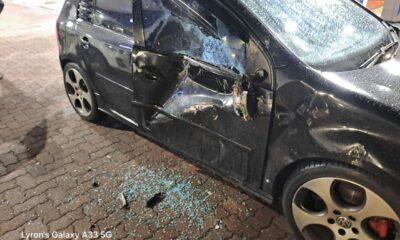
In one case, cars have lost control at a corner and ended up in a private garden that sits below street level. Without streetlights, there is little warning for motorists unfamiliar with the road. Pedestrians, who still use these streets at night, are also at risk.
This is not just anecdotal fear. Residents say accidents have already happened, and they believe functioning lights would have prevented them.
The metro’s response: limited resources, limited promises
The City of Tshwane has confirmed it is aware of the long-running streetlight outages in Region 6. According to the metro, public lighting teams have carried out repairs across the region over the past few years, but capacity and resource constraints have shaped where work is done.
Priority has been given to major and arterial routes, which has meant residential streets receive fewer interventions than would normally be expected. Budget pressures, infrastructure challenges, vandalism, and cable theft have all contributed to delays.
Some faults also require specialised materials or additional civil work, which extends repair timelines further. While complaints logged by residents remain active on the system, the metro has been clear that it cannot commit to specific timelines for repairs.
Accountability without certainty
Public lighting falls under the Energy and Electricity Business Unit, and ward councillors are said to be escalating issues through formal channels. These discussions are ongoing, but they have not translated into quick or visible fixes on the ground.
For many residents, this lack of certainty is the hardest part. The message from the metro is essentially one of patience, even as years pass without light returning to their streets.
A familiar story for city residents
The reaction from community groups and neighbourhood forums has been one of weary recognition rather than shock. Dark streets, closed tickets, and long waits have become common talking points across Tshwane and beyond. While residents are encouraged to keep reporting faults via the city’s call centre, ward councillors, or online platforms, many do so with dwindling expectations.
What makes this situation particularly stark is how ordinary these streets are. They are not remote areas or neglected industrial zones. They are suburban roads where families live, walk, and drive every day.
For now, the nights remain dark, and the promise of restored lighting feels as distant as ever.
Follow Joburg ETC on Facebook, Twitter, TikT
For more News in Johannesburg, visit joburgetc.com
Source: The Citizen
Featured Image: iStock