News
The Morning After the Ice Fell
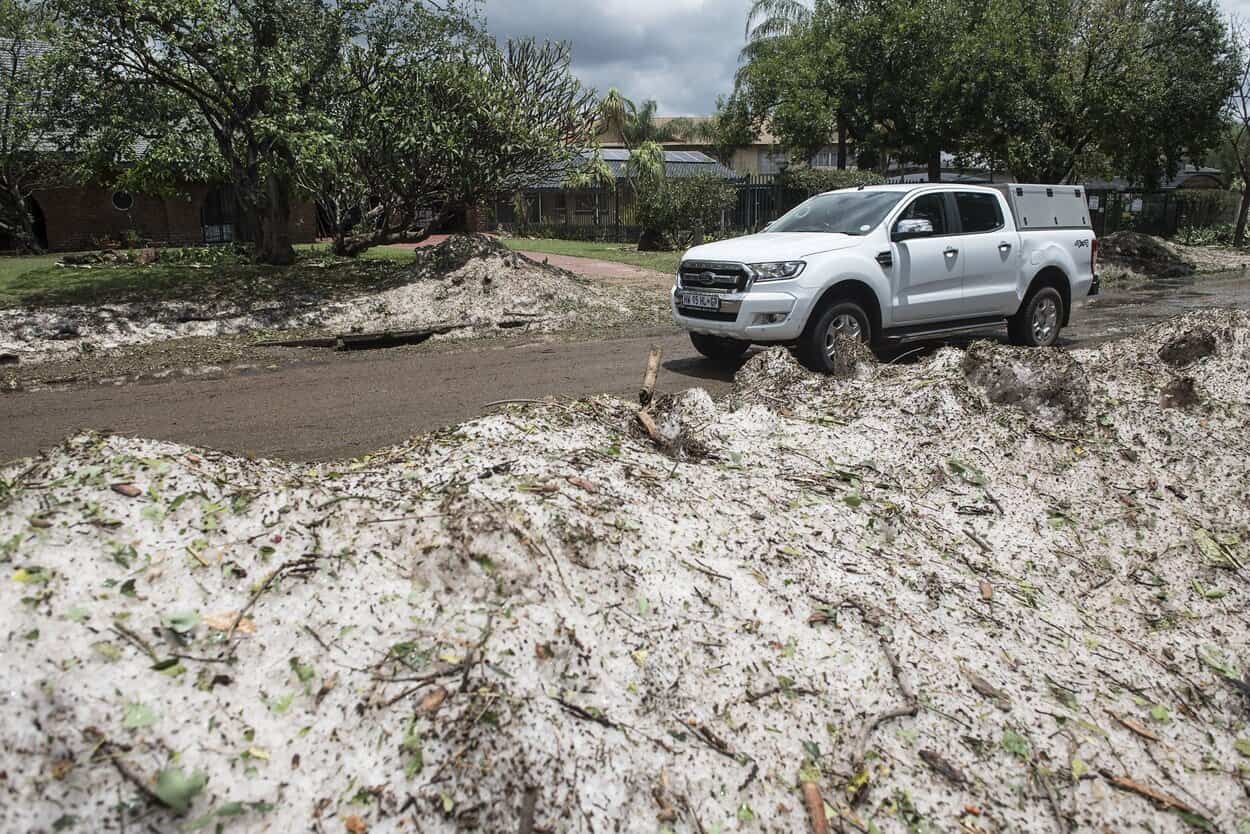
Residents of Pretoria woke yesterday not to the familiar Highveld sun, but to an eerie, silent landscape of white. The thick blanket of hail that covered cars, gardens, and streets was a deceptive sightpicturesque from a window, but the sign of a violent and costly night. What looked like a winter wonderland was, in reality, the aftermath of a ferocious hailstorm that turned parts of the city into a chaotic disaster zone by dawn.
Reports of destruction poured in from the east of Johannesburg to the west of Pretoria. The roof of Festival Mall in Kempton Park was severely damaged. In Pretoria North, a major road closure snarled traffic at the intersection of Es’kia Mphahlele Drive and Nienaber Avenue. The Northcliff water tower in Johannesburg overflowed, adding flooding to the list of woes.
Retirement Homes, Malls, and a Massive Cleanup
The human impact quickly came into focus. At the Montana Retirement Village, the situation turned dire. Zenobia Loock of the Sinoville Firefighting Association described water surging knee-high through parts of the facility. Firefighters had to intervene to prevent damaged ceilings from collapsing on vulnerable residents, with several patients having to be relocated for safety.
Tshwane Emergency Management Services (EMS) spokesperson, Deputy Chief Nana Radebe-Kgiba, confirmed that teams were still conducting a full situational assessment. “This includes evaluating affected infrastructure, identifying high-risk areas, and coordinating the clearing of roads,” she said. The scale of the damageto homes, carports, and businessesis only now becoming clear.
The “Lone Ranger” Storms: A New Normal?
As the cleanup began, a pressing question emerged: Is this the new normal? Popular forecaster Juandre Vorste of The Weather Hooligan offered a sobering perspective. He explained that hail will be a more common possibility over the next three months, and highlighted a worrying pattern.
“Storms are increasingly forming directly over towns in clustered cells,” he noted. “I refer to them as lone rangers because they break away from larger systems and intensify independently.” These hyper-localised, severe storms are capable of causing disproportionate damage before moving on.
The South African Weather Service’s Lehlohonolo Thobela echoed the call for vigilance. Yesterday’s event, he stressed, shows how rapidly conditions can deteriorate. It was a stark reminder that weather warnings are not to be ignored.
A Community Response Amid the Wreckage
On social media, the reaction blended shock with solidarity. Photos of dented cars and collapsed carports flooded local community groups, alongside offers of help and recommendations for reliable roofers. The shared experience became a digital town hall for recovery.
For many, the storm was a brute-force lesson in climate volatility and urban vulnerability. It stripped away the illusion that severe weather is something that happens elsewhere. For Pretoria, the path forward now involves more than just clearing ice and debris. It involves a conversation about preparedness for the next “lone ranger” that darkens the Highveld sky.
{Source: Citizen}
Follow Joburg ETC on Facebook, Twitter , TikTok and Instagram
For more News in Johannesburg, visit joburgetc.com