News
Ramaphosa urges diplomats to build bridges, not headlines
Ramaphosa urges diplomats to build bridges, not headlines
A quiet message with loud implications
In diplomacy, what you don’t say publicly can matter just as much as what you do.
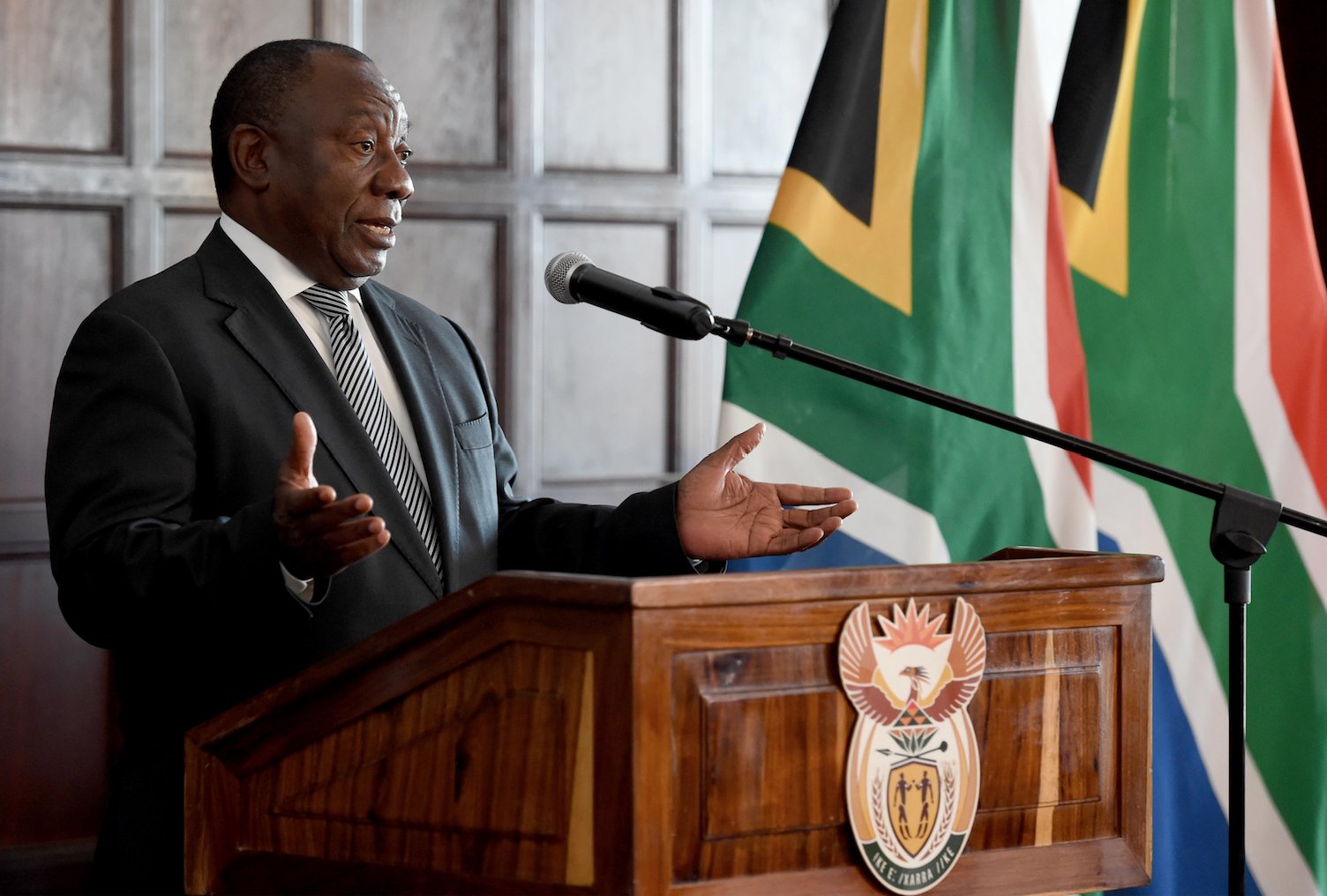
That was the tone set by Cyril Ramaphosa this week as he welcomed a new group of ambassadors to South Africa delivering a pointed reminder about how international relationships should be handled.
His message was clear: ambassadors should avoid publicly criticising the countries they are posted to.
Instead, he urged them to raise concerns behind closed doors calmly, constructively, and with respect.
Why this moment matters
On the surface, it sounded like standard diplomatic advice.
But in context, it carried weight.
South Africa’s own diplomatic ties have faced strain in recent months, particularly with the United States. The country has not had an ambassador in Washington since 2025, after a senior envoy was expelled following controversial remarks about the US administration.
That episode still lingers in diplomatic circles and Ramaphosa’s comments felt like a quiet acknowledgement of how quickly words can escalate into full-blown incidents.
The unwritten rules of diplomacy
Speaking after receiving credentials from 20 ambassadors in Pretoria, Ramaphosa emphasised a principle that’s long been part of global diplomacy: respect the sovereignty of your host country.
In simple terms, that means:
- Avoid public confrontation
- Build relationships quietly
- Promote cooperation over conflict
It’s not about ignoring disagreements but about choosing the right platform to address them.
And for South Africa, that approach is tied to a broader vision: positioning itself as a country that values dialogue over division.
A balancing act in a tense global climate
This message comes at a time when global tensions are anything but calm.
From trade disputes to geopolitical conflicts, the world is navigating a fragile moment. Even this week, attention has been fixed on developments in the Middle East, where a temporary ceasefire between the US and Iran has offered a brief pause in escalating tensions.
Ramaphosa welcomed the ceasefire, reiterating South Africa’s long-standing position: conflicts should be resolved through dialogue, not force.
It’s a stance rooted in the country’s own history one shaped by negotiation, compromise, and the difficult work of reconciliation.
Social media reaction: “Practice what we preach?”
Online, reactions to Ramaphosa’s remarks have been mixed.
Some users supported the call for respectful diplomacy, arguing that public spats between countries rarely lead to meaningful solutions.
Others, however, questioned whether the advice is always followed in practice pointing to past diplomatic tensions and asking whether all sides consistently uphold the same standards.
It’s a familiar South African debate: the gap between principle and practice.
A broader vision for South Africa’s role
Beyond the immediate message, Ramaphosa’s remarks reflect a bigger ambition.
South Africa wants to be seen as a mediator a country that champions peace, equality, and cooperation on the global stage.
That includes:
- Promoting trade and investment
- Strengthening international partnerships
- Advocating for a more balanced global order
It’s a vision shaped by the country’s past and its desire to play a constructive role in the future.
The reality: diplomacy in a digital age
But here’s the challenge.
Diplomacy today doesn’t happen only in meeting rooms. It unfolds in real time, on social media, in public statements, and under constant global scrutiny.
One comment can travel across the world in seconds and spark consequences just as quickly.
That’s what makes Ramaphosa’s message particularly relevant now.
It’s not just about etiquette. It’s about navigating a world where communication is instant, and missteps are amplified.
Words still matter
At its core, this isn’t just a story about ambassadors.
It’s about how countries talk to each other and how those conversations shape everything from trade deals to peace agreements.
Ramaphosa’s message may have been delivered in a formal setting, but its meaning is simple:
Choose your words carefully. Build relationships deliberately. And remember that diplomacy, at its best, is about connection, not confrontation.
{Source: The Citizen}
Follow Joburg ETC on Facebook, Twitter , TikTok and Instagram
For more News in Johannesburg, visit joburgetc.com