News
Ramaphosa Calls GBV a National Shame, But South Africans Ask: What Will Change?
Ramaphosa Calls GBV a National Shame, But South Africans Ask: What Will Change?
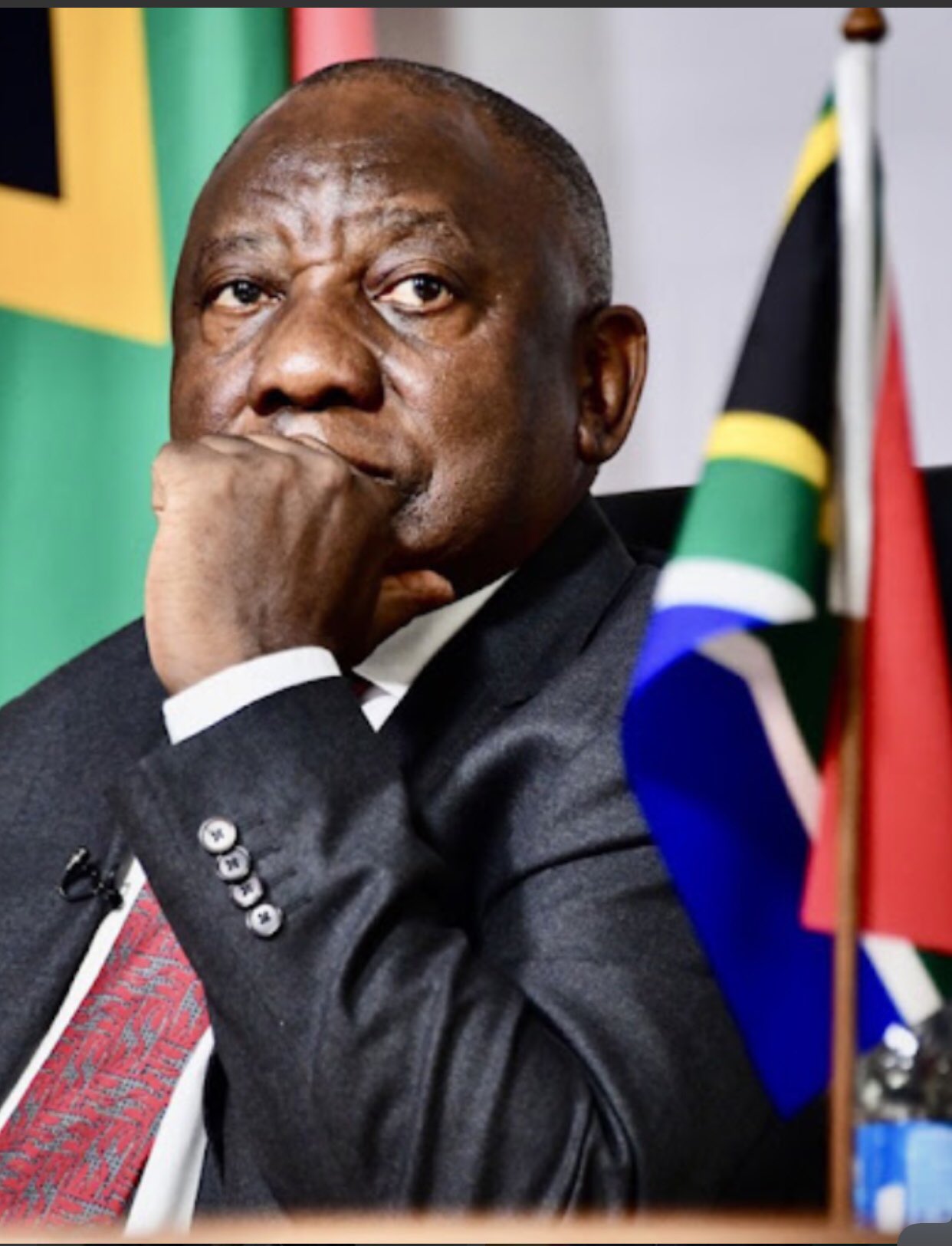
South Africa is once again deep in conversation and rightly so, about an issue that refuses to loosen its grip on the nation. Gender-Based Violence (GBV) and femicide have been officially classified as a national disaster, and President Cyril Ramaphosa says the country should be ashamed to hold one of the world’s highest rates of violence against women and girls.
Harsh words, yes, but for many South Africans, painfully close to the truth.
The timing is no coincidence. The remarks come during 16 Days of Activism Against GBV, observed globally from 25 November to 10 December, a period that should inspire reflection, anger, and more importantly, action.
“A second pandemic”, but far more enduring
In his weekly newsletter, Ramaphosa described GBV as a crisis whose impact spreads far beyond crime statistics.
He compared it to COVID-19 but worse.
Violence against women, he said, destroys families, stunts economic growth, breeds fear, and passes trauma from one generation to the next.
It’s not just violence. It’s a wound that never quite heals.
Last month’s classification of GBV and femicide as a national disaster means departments such as Social Development, Health, Police and Basic Education now carry strengthened mandates to act. In practical terms, this could allow:
-
More funding for safe shelters and support services
-
Faster emergency resource allocation
-
Expanded access to counselling
-
Better monitoring and reporting frameworks
For survivors who often walk a lonely road, these commitments could be life-changing, if implemented with urgency and transparency.
Men must step up, not just observe from the sidelines
One of Ramaphosa’s strongest statements was a challenge directed at men.
Speaking at a Men’s Indaba in the Free State, he argued that prevention won’t work if men remain spectators.
We often hear the phrase “not all men”, but as many activists point out too many are, and too few intervene.
Ramaphosa echoed this sentiment:
Men are not only the main perpetrators, they are also key to ending the cycle.
Marches, hashtags and posters will ring hollow, he warned, if men themselves are not actively shifting attitudes in homes, communities, workplaces and social spaces.
A country tired of vigils and condolences
Every South African knows the script:
A woman dies.
A hashtag trends.
Candlelight vigils.
Then life goes on, until the next tragedy.
Public reaction online has been a mix of support, frustration and fatigue. Many praise the national disaster classification as overdue progress. Others ask the harder question:
Will this change anything on the ground?
A government plan means little without:
-
Accountability for failing police systems
-
Harsher consequences for abusers
-
Faster processing of domestic violence cases
-
Investment in educating boys and young men
-
Community responsibility, not just state responsibility
This fight belongs to all of us
Ramaphosa concluded with a reminder: the safety of women and children is everybody’s business, and silence is complicity.
And maybe that’s where the heart of the matter lies at street level. In taxis, taverns, classrooms, WhatsApp groups and living rooms. GBV does not erupt out of nowhere; it grows in everyday jokes, patriarchal norms, and a culture that asks women to protect themselves instead of demanding men stop harming them.
South Africa doesn’t need more awareness.
It needs transformation.
As this year’s 16 Days of Activism unfolds, the hope is simple, that this declaration of a national disaster is not just another speech, but a turning point.
Because women in this country do not need sympathy.
They need safety, justice, and change.
And they need it now.
{Source: The Citizen}
Follow Joburg ETC on Facebook, Twitter , TikTok and Instagram
For more News in Johannesburg, visit joburgetc.com