There was a time when Kusile Power Station symbolised frustration more than progress. Years of delays, breakdowns and missed deadlines turned it into one of South Africa’s most talked about infrastructure projects for all the wrong reasons.
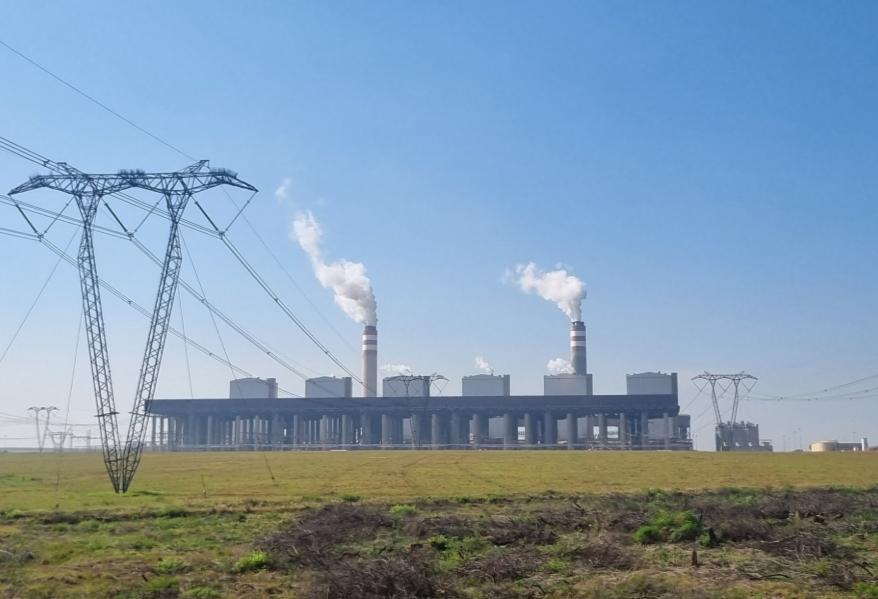
Now, standing tall along the N4 between Emalahleni and Pretoria, the same station is being positioned as a turning point.
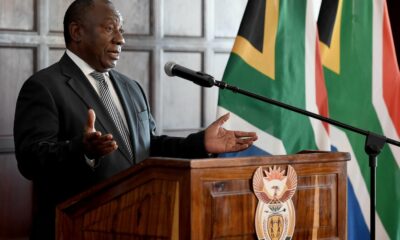
President Cyril Ramaphosa visited the facility this week for the first time since it reached full generating capacity, marking a moment that government hopes signals real progress in the country’s long-running energy crisis.
A Power Station Finally At Full Strength
For the first time, all six units at Eskom’s Kusile Power Station are online, producing a combined 4,800 megawatts of electricity.
That number is not just technical jargon. In practical terms, it represents a significant boost to the national grid, helping ease pressure that has plagued households and businesses for years.
The final units came online around a year ago, pushing Kusile to full capacity in 2025. It is a milestone that has already started to show results, with the grid experiencing improved stability compared to previous years.
From Delays To Delivery
Kusile was originally meant to be fully operational by 2016. Instead, it became a case study in how complex mega-projects can go wrong.
Construction setbacks, technical faults and repeated breakdowns meant the station spent years operating below its potential. At one point, just two years ago, it was producing roughly half of what it was designed for.
That underperformance contributed directly to the severity of load shedding across the country, especially during peak crisis periods when energy supply fell far short of demand.
A Visible Shift On The Ground
Today, the picture looks very different.
Driving past the station, the sight of all units active, with emissions rising steadily into the sky, is a visible sign that the facility is now fully operational. It is the kind of image government leaders are keen to highlight as proof that efforts to stabilise the energy sector are gaining traction.
Ramaphosa was joined by Electricity Minister Kgosientsho Ramokgopa during the visit, where the station was formally presented as a fully functioning part of South Africa’s energy mix.
Maintenance Still Part Of The Reality
Even with all six units technically online, the work is far from done.
Unit One was taken offline on Friday for planned maintenance, a reminder that large-scale power generation requires constant upkeep. While this is standard practice, it also highlights the delicate balance Eskom must maintain between keeping the lights on and ensuring long-term reliability.
What It Means For South Africans
For ordinary South Africans, Kusile’s progress is about more than megawatts. It is about fewer power cuts, more consistent business operations and a chance at economic recovery without the constant disruption of load shedding.
Coal-fired stations like Kusile remain central to the country’s current energy mix, even as debates continue about the transition to cleaner alternatives. For now, stability is the priority.
A Symbol Of Cautious Optimism
Kusile’s journey from troubled project to fully operational power station reflects the broader story of South Africa’s energy sector. Progress has been slow and often frustrating, but moments like this offer a glimpse of what stability could look like.
The real test will be consistency. Keeping all units running efficiently, managing maintenance and avoiding the breakdowns of the past will determine whether Kusile becomes a lasting solution or just a temporary win.
For now, though, it stands as one of the clearest signs yet that the country’s power system may finally be turning a corner.