News
‘We Are Not Leaving the G20’: Ramaphosa Hits Back After Trump Blocks SA From 2026 Summit
‘South Africa Will Not Be Removed’: Ramaphosa Rejects Trump’s G20 Snub in National Address
A Sunday Night Speech With Global Stakes
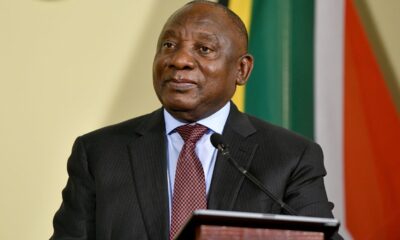
South Africans sat down on Sunday night expecting an update on the country’s successful hosting of the G20 summit but instead, President Cyril Ramaphosa had to confront a diplomatic storm brewing across the Atlantic.
Just days earlier, US President Donald Trump took to his social media platform to declare that South Africa would not be invited to the 2026 G20 summit in Miami. He went further, announcing that the US would cut funding and subsidies with immediate effect.
For many South Africans, it felt like déjà vu: Trump once again accusing the country of “white genocide,” reviving one of his most persistent political talking points.
Ramaphosa’s message in response was steady and unflinching:
South Africa is a founding member of the G20 and no one can uninvite us.
Why Trump’s Decision Hit Nerves at Home
The tension didn’t appear out of thin air. At the close of the Johannesburg G20 summit, the South African delegation declined to symbolically hand the presidency to a senior US embassy official a move that irritated Washington.
Trump then claimed the US skipped the summit in protest of what he described as:
-
“Horrific human rights abuses” against white South Africans
-
Killings of white farmers
-
Random land expropriations
South Africa has repeatedly and firmly denied these claims, and multiple studies including by local NGO and international observers have found no evidence of state-driven attacks on white citizens.
Ramaphosa used his address to call the allegations what they are:
misinformation weaponised for political gain.
A Look at the Historical Baggage
These tensions didn’t start in 2025.
Trump first raised “white genocide in South Africa” during his first presidency in 2018 and revived the claim after returning to office in 2025.
The stakes grew higher after South Africa filed a case at the International Court of Justice in 2024, accusing Israel of committing genocide in Gaza a move that angered the Trump administration and triggered retaliatory measures, including:
-
The freezing of PEPFAR funding
-
Halting of USAID programmes
-
A 30% tariff on South African exports
Foreign policy analysts say the G20 snub is part of the same pattern: Trump applying pressure on Pretoria for choosing an independent diplomatic path.
Ramaphosa: “We Are Founding Members. We Are Not Guests.”
Ramaphosa reminded the country that South Africa attended the first G20 leaders’ summit and entered as an equal, not by invitation:
“South Africa is a member of the G20 in its own name and right.”
He confirmed that SA had already handed over the G20 presidency to the US through proper diplomatic channels something Trump’s online post ignored.
He also praised the many American companies, organisations and civic groups that participated enthusiastically in side events like the Business 20 Summit, noting that the political rift does not reflect the broader US–SA relationship.
South Africans React: Anger, Fatigue and a Bit of Humour
Social media lit up within minutes of Trump’s announcement:
-
“Trump must stop treating the G20 like it’s his birthday party.”
-
“You can’t uninvite people from a group they started.”
-
“We survived load shedding. We’ll survive Trump.”
Others expressed real concern about the economic implications of losing American funding and exports, especially PEPFAR, which supports millions of HIV-positive South Africans.
But many also praised Ramaphosa for staying calm:
-
“For once, a presidential address that felt grown-up.”
A New Layer: SA Accuses Disinformation Networks of Fueling the Rift
One of the most striking parts of the president’s speech was his accusation that local and international groups are spreading disinformation about South Africa to influence US foreign policy.
Ramaphosa warned that these groups are:
-
Undermining national interests
-
Threatening jobs
-
Damaging international partnerships
Some security analysts say the disinformation networks are a mix of right-wing groups in South Africa and abroad, many of whom have amplified the “white genocide” narrative for political mobilisation.
Where Does This Leave SA–US Relations?
Despite the drama, Ramaphosa emphasised that South Africa remains committed to diplomacy:
-
No cutting ties
-
No inflammatory counter-statements
-
Continued engagement “with dignity and respect”
He even referenced the solidarity movements in the US that supported South Africa during apartheid, pointing to a shared democratic legacy.
In other words: SA is frustrated, but not done talking.
A Bigger Question Remains
Trump may be escalating tensions, but South Africa’s role in global diplomacy is unlikely to shrink. The country:
-
Chairs influential blocs like BRICS
-
Hosts major peace-building initiatives
-
Is one of the continent’s biggest democracies
-
Has deep historical ties with the US beyond party politics
The real question now is what 2026 will look like and whether cooler heads in Washington will override Trump’s more combative instincts.
{Source: IOL}
Follow Joburg ETC on Facebook, Twitter , TikTok and Instagram
For more News in Johannesburg, visit joburgetc.com