News
Why Robert McBride is back in Parliament’s hot seat over corruption claims
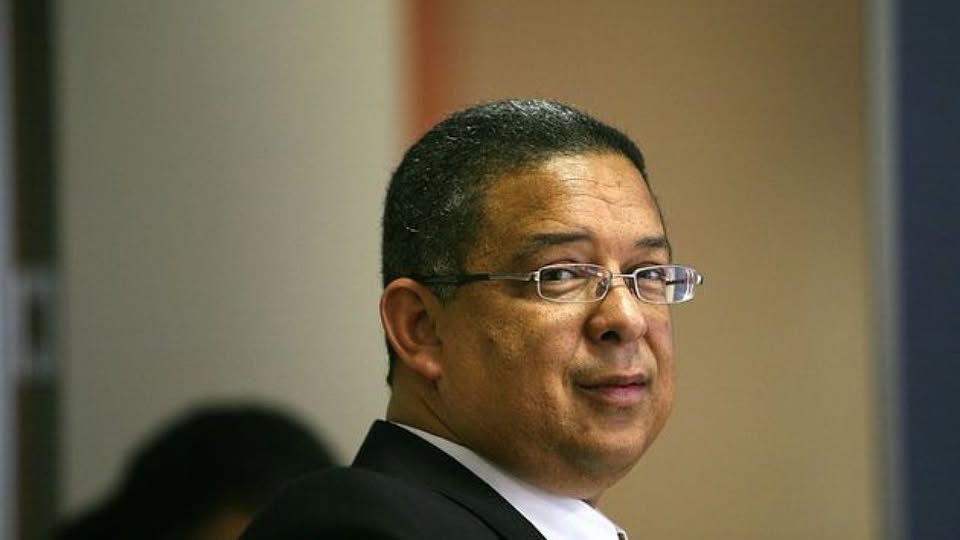
Why Robert McBride is back in Parliament’s hot seat
There are a few names in South African public life that carry as much history and controversy as Robert McBride. This week, that history catches up with him again as Parliament’s Ad Hoc committee prepares to question the former head of the Independent Police Investigative Directorate about alleged links to police corruption.
For many South Africans, McBride is not a stranger to high-pressure hearings. From apartheid-era activism to leading a watchdog meant to hold police accountable, his career has often played out in the glare of public scrutiny. This latest appearance feels less like a comeback and more like an unfinished chapter.
Allegations reignited by a former police boss
The renewed focus on McBride follows testimony by Khomotso Phahlane, the former Acting National Commissioner of Police. Phahlane has implicated McBride in allegations that suggest improper relationships within senior policing circles. These claims have landed squarely on the desk of the Ad Hoc committee, which now wants answers directly from McBride.
In political corridors and on social media, reaction has been swift. Some see the inquiry as long overdue accountability. Others warn that it risks becoming a proxy battle in South Africa’s ongoing struggle to clean up law enforcement institutions that were deeply damaged during the State Capture years.
The Paul O’Sullivan connection under scrutiny
Another uncomfortable line of questioning is expected to focus on McBride’s relationship with private investigator Paul O’Sullivan. Accusations have been raised that McBride and O’Sullivan worked together in ways that targeted senior police officials.
O’Sullivan himself has tried to avoid appearing before the committee, citing fears for his personal safety. His concerns are not abstract. The killing of Marius Van Der Merwe, also known as Witness D, after he testified, has cast a long shadow over anyone drawn into these investigations. Despite this, Parliament has decided to subpoena O’Sullivan, signalling just how seriously the committee is treating the matter.
A familiar figure from the State Capture era
McBride’s name is already etched into the public memory of the State Capture Commission. In 2019, he testified in Parktown, detailing the pressures and political interference faced by IPID during his tenure. That testimony positioned him, at the time, as a defender of institutional independence.
Now, the narrative is more complicated. The same watchdog role that once earned him praise is being examined for possible conflicts and alliances that may have crossed ethical lines.
Why this matters now
Beyond the personalities involved, this inquiry taps into a deeper national anxiety. Trust in policing remains fragile. Any suggestion that anti-corruption efforts were selectively applied or driven by personal networks risks further erosion of public confidence.
For the Ad Hoc committee, the task is clear but delicate. They must separate fact from factionalism and establish whether these allegations point to misconduct or are part of a broader political reckoning within law enforcement.
For McBride, Tuesday’s appearance is not just about defending his record. It is about how South Africa reckons with those who once stood at the centre of its fight against corruption and whether that fight was always as clean as it claimed to be.
Follow Joburg ETC on Facebook, Twitter, TikT
For more News in Johannesburg, visit joburgetc.com
Source: The Citizen
Featured Image: Facebook/YFM