The South African government has moved decisively to fill a critical funding gap in medical research, following the withdrawal of financial support from the United States.
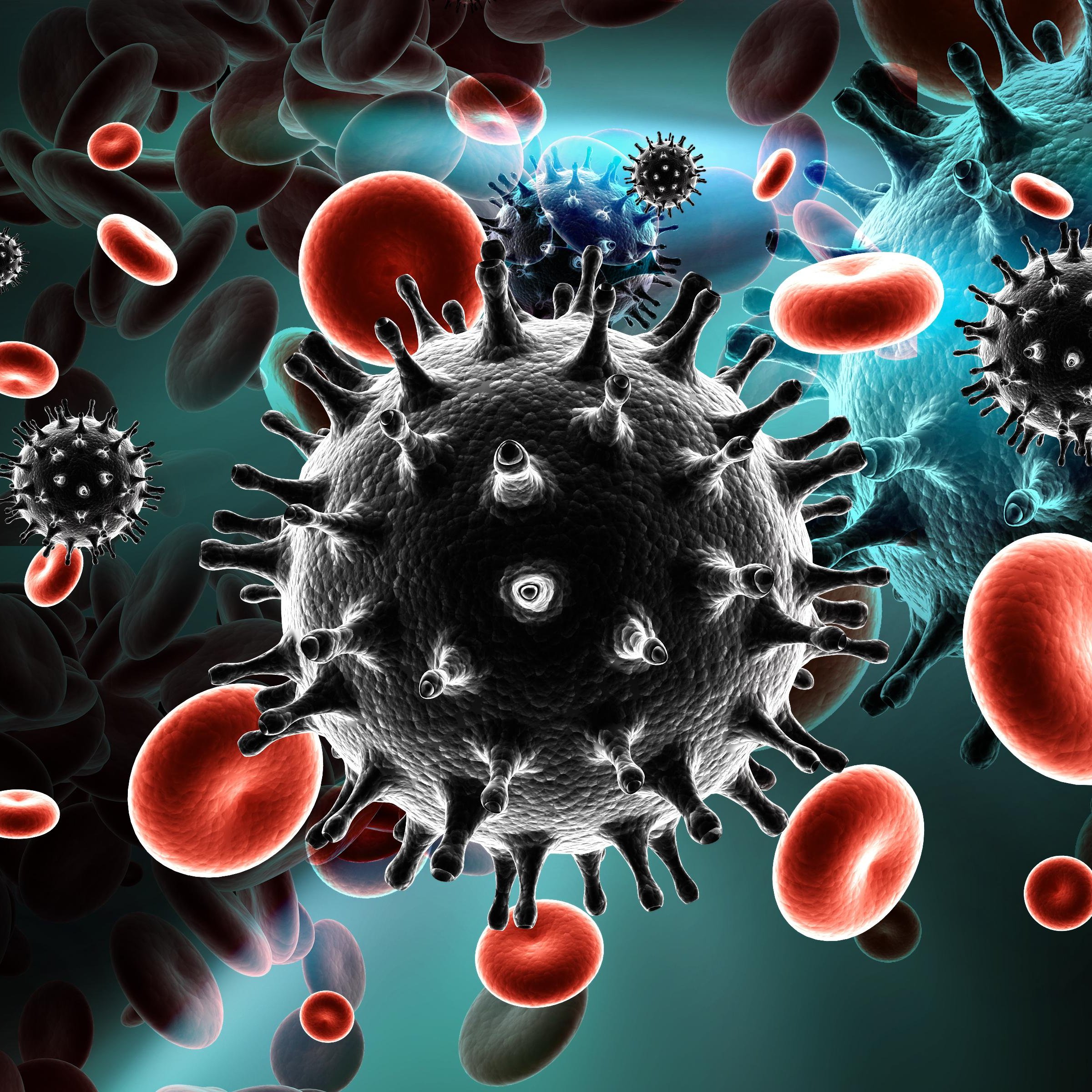
In a pivotal move revealed in the National Treasury’s 2026 Budget Review, the government has allocated R410 million over the medium term, transferring this sum from the Department of Health to the South African Medical Research Council (SAMRC) to sustain vital HIV/AIDS research initiatives.
This allocation is part of a broader co-funding arrangement with global donors aimed at ensuring the continuation of key health programmes. The review, published alongside the highly anticipated Budget Speech on Wednesday, highlights the growing need for support in medical research as the country grapples with complex health challenges.
The Bigger Health Picture
Overall spending on health is projected to rise by approximately 4.2% to R334.3 billion by 2028/29, underlining the government’s commitment to enhancing healthcare services.
Notably, 44.4% of the health budget will be allocated to primary healthcare delivered through district health servicesrecognised as the most accessible and cost-effective form of care in South Africa.
Efficiency and Accountability
In a bid to improve efficiency within the sector, the government plans to focus on optimising compensation of employees, which constitutes a hefty 64.6% of the health budget. An advisory committee has been appointed by Health Minister Aaron Motsoaledi to explore necessary amendments to key human resources policies and practices.
Furthermore, R24 million will be redirected over the Medium Term Expenditure Framework (MTEF) period towards the Office of Health Standards Compliance. This funding will facilitate the filling of critical posts and bolster the number of inspections conducted annually at health facilities.
Education and Skills
The government is also strengthening the education sector. National Treasury announced a comprehensive review of the national skills ecosystem, to be conducted by the Government Technical Advisory Centre in the forthcoming year.
Funding for post-school education and training is set at R155.8 billion for 2026/27. The National Student Financial Aid Scheme (NSFAS) will provide R54.3 billion to support 744,203 academically deserving and financially needy students.
Basic Education
In basic education, a significant allocation of R358.6 billion has been designated for 2026/27. This includes:
-
R33.9 billion for the National School Nutrition Programme, serving meals to over 9.9 million learners in 19,800 schools. The budget for this programme has increased by 4.5% , reflecting the challenge posed by food price inflation.
-
Investment in early childhood development is set to grow from R12.2 billion in 2025/26 to R18 billion over the medium term, expanding services to an additional 300,000 children.
The Bottom Line
The 2026 Budget reflects a government stepping up where global partners have stepped back. R410 million for HIV research fills a critical gap. R334 billion for health signals long-term commitment. And billions for education and nutrition aim to build a healthier, more skilled future.
The numbers are large. The challenges are larger. But the direction is clear.