News
Why SABC cancelled Face the Nation: broadcaster cites poor ratings, denies politics
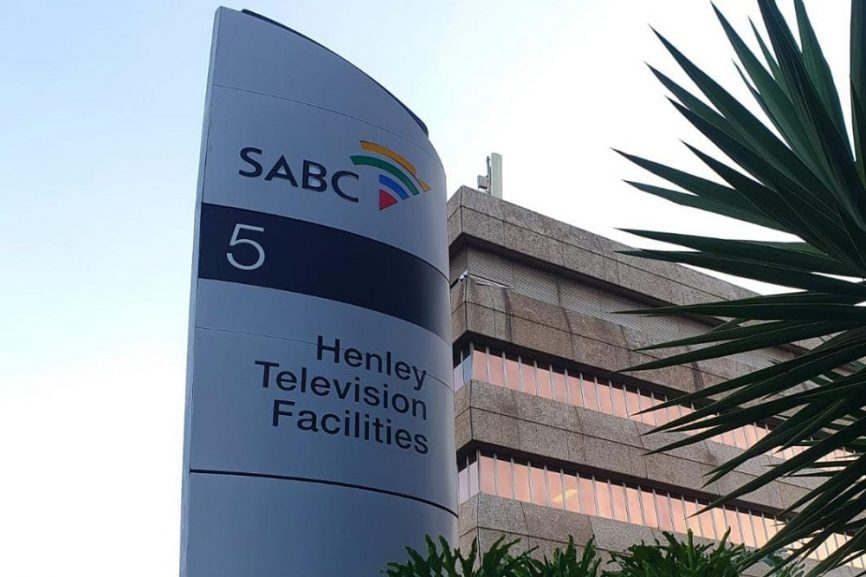
SABC breaks silence on ‘Face the Nation’ exit, points to low viewership
When South African Broadcasting Corporation quietly pulled Face the Nation off its schedule, the reaction was immediate and loud.
Viewers questioned it. Politicians denied involvement. Social media lit up with speculation.
Now, the broadcaster has stepped forward with a clear message: the decision was about numbers, not politics.
The numbers behind the decision
According to data released by the SABC, Face the Nation struggled to meet the expectations of a primetime slot.
On average, the show pulled in around 120,000 viewers less than half of the broadcaster’s target of roughly 259,000. Its audience rating hovered near 0.1%, far below the 1% benchmark typically expected for that time of day.
In competitive terms, the show ranked 42nd, missing the top 30 threshold the SABC aims for.
In a TV landscape where every percentage point matters, those figures tell a difficult story.
A flagship show under pressure
Hosted by Clement Manyathela, Face the Nation had built a reputation as a hard-hitting political talk show one that didn’t shy away from uncomfortable questions.
That’s part of what made its sudden disappearance so controversial.
Over the weekend, reports surfaced suggesting political figures had taken issue with the show’s tone, describing its interviews as too “harsh.” Those claims were quickly dismissed by Vincent Magwenya, who denied any involvement.
Still, the timing raised eyebrows.
“It’s about performance, not personalities”
In response, the SABC has been firm: this was a business and strategy decision.
Spokesperson Mmoni Ngubane said the move forms part of a broader content reshuffle, where programmes are evaluated not only on relevance but also on performance in an increasingly competitive media space.
The broadcaster insists the decision was not about the host or the show’s editorial stance but whether it fit into a refreshed programming strategy.
A bigger shift in how news is consumed
Behind the scenes, there’s a larger shift at play.
Traditional studio-based talk shows are increasingly competing with fast-moving, live, and digital-first news formats. Viewers today are just as likely to catch political analysis on their phones as they are on TV.
The SABC itself acknowledged that top-performing news content tends to be live, rolling, and event-driven formats that keep pace with a 24-hour news cycle.
In that context, a weekly talk show faces an uphill battle.
Political pressure or public perception?
Despite the SABC’s assurances, the debate isn’t going away.
Mahlengi Bhengu dismissed claims of political interference as baseless, while Communications Minister Solly Malatsi has called for a full report, signalling that concerns are being taken seriously at government level.
Online, opinions remain split. Some viewers believe the show was a rare platform for accountability and should have been protected. Others argue that in a ratings-driven environment, underperforming programmes inevitably face the axe.
The end of an era or a sign of things to come?
For many South Africans, Face the Nation represented a space where power was challenged directly something not always easy to find in mainstream broadcasting.
Its cancellation raises a bigger question: can serious political conversation still survive in a ratings-first media environment?
For now, the SABC’s answer is clear, performance comes first.
But as audiences continue to react, the story of Face the Nation may not be over just yet.
{Source: The Citizen}
Follow Joburg ETC on Facebook, Twitter , TikTok and Instagram
For more News in Johannesburg, visit joburgetc.com