News
South Africa eyes end of TV licence as SABC explores new funding model
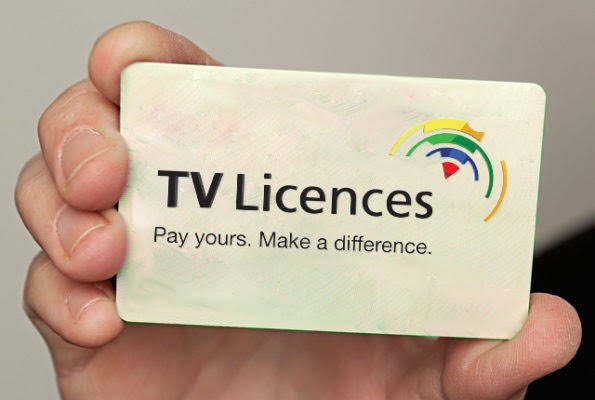
Is this the beginning of the end for South Africa’s TV licences?
South Africans may be witnessing the final chapter in the SABC TV licence saga. With a growing number of households refusing to pay, the broadcaster is exploring a device-neutral household levy or Treasury funding as a sustainable alternative.
The Department of Communications and Digital Technologies has appointed BMI TechKnowledge, a local ICT research and advisory firm, to design a new funding framework for the public broadcaster. The final model is now expected by 6 February 2026, following a brief delay due to stakeholder unavailability and festive season disruptions.
TV licence compliance at an all-time low
Historically, the SABC has relied heavily on TV licence fees for its operations. But payment avoidance has skyrocketed, climbing from 69% in 2019 to 85% in 2025.
Board chair Khathutshelo Ramukumba has been vocal about the crisis. He points to the shift in viewing habits, with South Africans increasingly consuming content via phones, laptops, and streaming services and argues that the licence model is no longer fit for purpose.
“The SABC does not need endless bailouts. What it needs is a deliberate, innovative, structured, and sustainable funding intervention that recognises its public value and secures its independence,” Ramukumba said.
CEO Nomsa Chabeli echoed the sentiment, calling the scheme “archaic” and “outdated”. She adds that South Africa’s historic culture of non-payment exacerbates the issue, affecting not only TV licences but also electricity and water services.
Exploring alternatives: levy vs. Treasury funding
Both Ramukumba and Chabeli favour a tech-neutral public media levy, potentially collected through the South African Revenue Service (SARS). This approach would decouple the broadcaster’s funding from the outdated TV licence system and ensure coverage across devices, reflecting modern media consumption.
Chabeli also suggested that direct Treasury funding could be a fallback option, but Ramukumba rejected this, insisting that the solution must promote independence and sustainability, rather than relying on perpetual state bailouts.
The path ahead
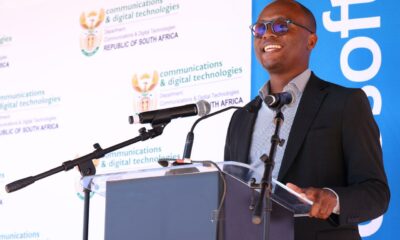
Communications Minister Solly Malatsi recently confirmed that the first draft of the new funding framework will be presented in mid-December 2025, with a final report due in February 2026.
However, Malatsi cautions that finalising a funding model is just the beginning. Any new approach will require consultation with the Minister of Finance, as it directly affects national resource allocation.
“This is a major milestone in our efforts to secure the public broadcaster’s future and mandate to serve millions of South Africans,” Malatsi said.
Public reaction: a mix of hope and scepticism
On social media, South Africans have debated the idea of a levy replacing the TV licence. Some see it as a practical and modern solution that reflects changing media habits, while others worry it may be another form of compulsory taxation without improved accountability or quality.
For now, the SABC’s future hinges on a delicate balance: ensuring sustainable funding while maintaining its role as a public service broadcaster in a country where traditional TV is increasingly losing ground to digital media.
With the new funding model set to be finalised early next year, one thing is clear: the era of the old TV licence is fading fast.
{Source: My Broad Band}
Follow Joburg ETC on Facebook, Twitter , TikTok and Instagram
For more News in Johannesburg, visit joburgetc.com