News
Ramaphosa hails Sars as blueprint for rebuilding state institutions post-state capture
From crisis to credibility: Sars’ remarkable turnaround
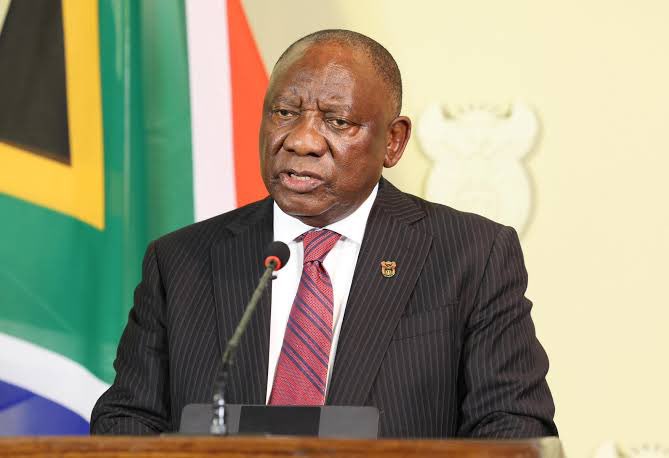
Seven years after the Nugent Commission laid bare the devastation at the South African Revenue Service (Sars) during the state capture era, President Cyril Ramaphosa is pointing to the tax authority as a blueprint for rebuilding institutional capacity.
Once crippled by political interference, leadership purges, and dismantled specialist units, Sars has now regained its footing and public trust.
Record-breaking revenue collection
During a recent visit to the Sars National Command Centre, Ramaphosa highlighted the tax authority’s achievements in combating the illicit economy and strengthening revenue collection.
Last financial year, Sars collected R2.3 trillion, the highest in its history. According to the president, this money is the lifeblood of the country:
“Basic services are delivered, social grants are paid out to the most vulnerable, public infrastructure is built and maintained, and the machinery of government is kept running.”
The historic revenue haul demonstrates not only efficiency but also the crucial role Sars plays in keeping South Africa’s public services operational.
Nugent Commission: lessons learned
In 2018, Ramaphosa appointed a commission of inquiry led by Judge Robert Nugent to investigate Sars. At the time, morale was low, compliance was declining, and critical units, such as the Large Business Centre, had been gutted.
“Levels of compliance were steadily declining, with both corporate and personal tax collections down,” Ramaphosa said, reflecting on the dark days of institutional weakness.
The Nugent Commission recommended a sweeping overhaul, including the removal of then-Commissioner Tom Moyane, criminal investigations into contracts with Bain & Co, and the restoration of independent leadership, governance, and enforcement capacity.
Restoring trust and efficiency
Ramaphosa said that seven years on, nearly all of the commission’s recommendations have been implemented. Sars has rebuilt specialist enforcement teams, modernized systems, and improved taxpayer services.
“Just five years ago, public trust in Sars stood at 48%. It is now around 75%. Attitudes towards tax compliance continue to improve,” he noted.
This turnaround has had far-reaching implications, helping South Africa exit the FATF grey list and contributing to a sovereign credit ratings upgrade from S&P.
Why it matters for investors
The president emphasized that a credible, efficient tax authority is critical for investor confidence.
“Certainty in tax policy, along with honesty and efficiency in tax administration, are key considerations for investors looking to bring their business to South Africa,” Ramaphosa said.
By positioning Sars as a model for institutional reform, the president is signaling a broader vision: a capable, independent state that can withstand political interference and deliver for its citizens.
A blueprint for other institutions
Sars’ transformation offers lessons for other public institutions damaged during the state capture era. From restoring staff morale to implementing transparent governance and modernized systems, the agency’s recovery shows that institutional resilience is possible, even after years of corruption and mismanagement.
For South Africans, the message is clear: strengthening institutions not only safeguards the economy but also restores public trust, a vital ingredient for nation-building and sustainable development.
{Source: The Citizen}
Follow Joburg ETC on Facebook, Twitter , TikTok and Instagram
For more News in Johannesburg, visit joburgetc.com