News
South Africa’s Winter Forecast Is In And It’s Not What You’d Expect
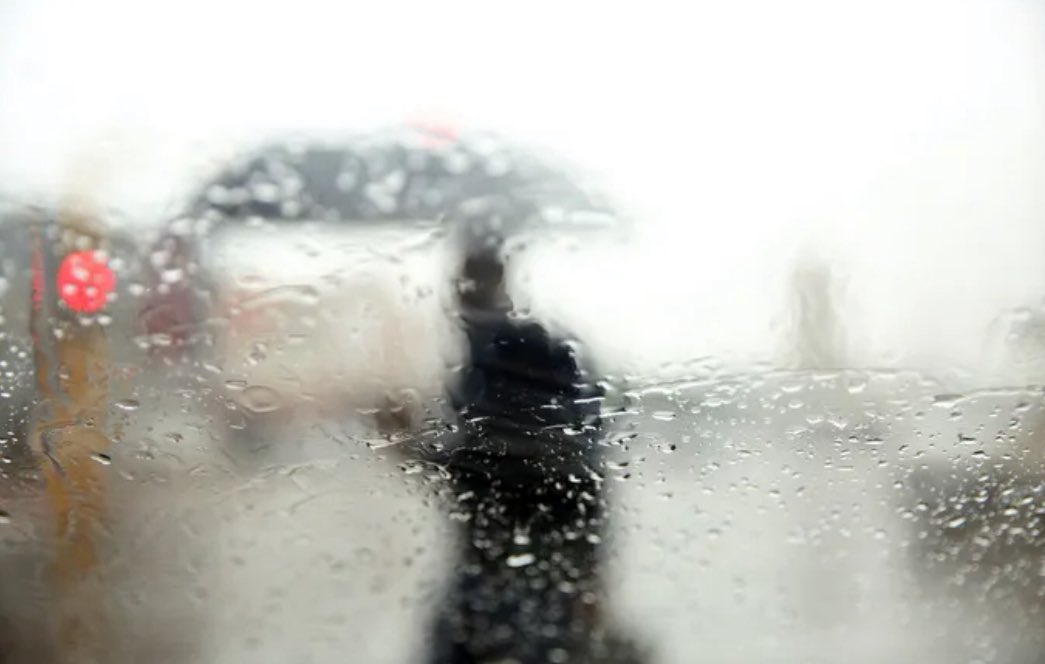
Winter in South Africa has always come with its own rhythm. In Cape Town, it usually means grey skies and steady rain. Up north, it is dry mornings, chilly nights and clear blue afternoons.
But this year, the script might be flipping.
According to the latest outlook from the South African Weather Service (SAWS), the country is heading into a warmer-than-usual winter, with rainfall patterns that could surprise many.
Warmer Days Ahead For Most Of The Country
If you were hoping for a proper icy winter, you might need to adjust expectations.
SAWS says both daytime and nighttime temperatures are likely to stay above normal across most of South Africa through late autumn and early winter.
For everyday South Africans, that could mean fewer freezing mornings but also an increase in heat-related discomfort, especially in inland provinces where winter is typically dry but sunny.
There is also a health angle to consider. Warmer conditions can increase the risk of dehydration, sun exposure and heat-related illnesses, particularly for outdoor workers, children and the elderly.
Eastern Coastline Set For A Wetter Season
While much of the country warms up, the eastern and south-eastern coastline is expected to get more rain than usual.
This includes parts of KwaZulu-Natal and the Eastern Cape, where above-normal rainfall could stretch from late autumn into the heart of winter.
For farmers in these regions, this could be a welcome boost. Better rainfall often supports grazing conditions and crop production, especially after unpredictable seasons in recent years.
But there is a downside. Increased rainfall raises the risk of flooding, especially in low-lying areas or communities near rivers and estuaries. Waterlogging, poor drainage and infrastructure strain could become real challenges if heavy rains persist.
Western Cape Could See Less Rain Than Usual
In a twist that will raise eyebrows in the Western Cape, SAWS expects below-normal rainfall for the south-western parts of the country this winter.
That is significant. Cape Town and surrounding areas rely heavily on winter rainfall to replenish dams and water systems.
After the severe drought crisis just a few years ago, any sign of reduced rainfall tends to trigger concern among residents, farmers and city planners alike.
Authorities are already encouraging farmers to take precautionary steps, including improving water storage and adopting conservation practices to prepare for drier conditions.
Possible Shift Toward El Niño
Behind these changing patterns is a familiar global climate driver: El Niño–Southern Oscillation.
Right now, ENSO conditions are neutral, but climate models suggest a shift toward El Niño could happen in the coming months.
Historically, El Niño is linked to hotter and drier conditions across much of southern Africa, especially as the year moves toward spring and summer.
However, SAWS has urged caution. Winter forecasts, particularly those tied to ENSO, can be unpredictable, and conditions may still evolve.
Flooding And Health Risks On The Radar
With warmer temperatures and pockets of heavy rainfall expected, SAWS is warning communities to stay alert.
Coastal regions could face localised flooding, while stagnant water may increase the risk of waterborne diseases and contamination of water sources.
At the same time, higher temperatures could lead to increased UV exposure, raising the risk of sunburn and skin damage even during winter.
It is a reminder that winter in South Africa is not always just about cold fronts and jackets.
What It Means For Everyday South Africans
For most people, this winter may feel a little different.
Inland areas could experience milder cold spells, while coastal regions may need to prepare for wetter conditions than usual. In the Western Cape, residents might once again be watching dam levels closely as the rainy season unfolds.
SAWS has encouraged the public to stay updated with monthly forecasts, as long-term outlooks can shift. Farmers and industries dependent on weather patterns are also advised to track updates closely to adjust their plans.
In a country where weather plays such a big role in daily life, from farming to water security, this winter forecast is more than just small talk. It is something to keep an eye on.
{Source:The South African}
Follow Joburg ETC on Facebook, Twitter , TikTok and Instagram
For more News in Johannesburg, visit joburgetc.com