News
Scholar transport safety pushed to breaking point after Vanderbijlpark tragedy
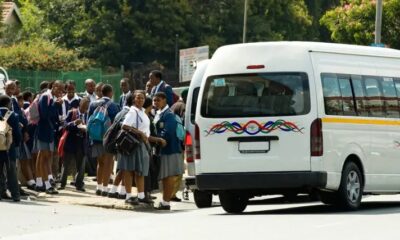
For many South African parents, the daily school drop-off is an act of trust. Trust that the minibus will arrive on time, that the driver is qualified, and that their child will return home safely. This week, that trust was shaken to its core.
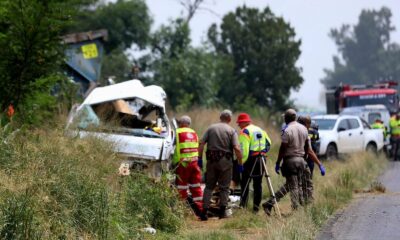
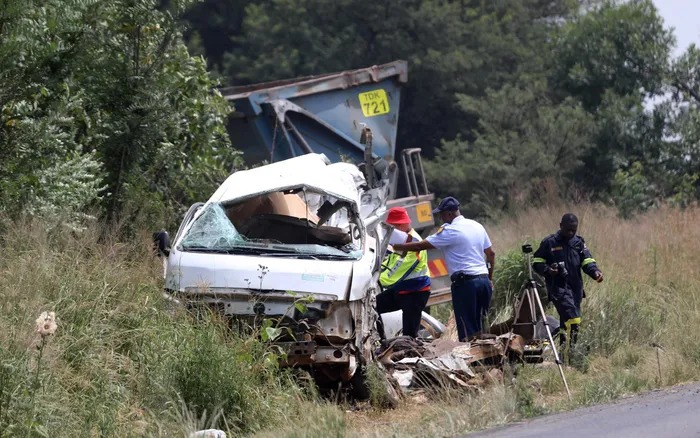
Following a devastating head-on collision involving a private scholar transport vehicle on the R553 Golden Highway in Vanderbijlpark, where 13 young children lost their lives, Transport Minister Barbara Creecy delivered a blunt assessment. She said weak law enforcement has effectively brought the country’s scholar transport system to its knees.
A system under strain
Speaking alongside Deputy Minister Mkhuleko Hlengwa, Creecy expressed shock at the scale of the tragedy. Officials later confirmed that the driver arrested after the crash was operating with an expired professional driving permit, which had lapsed last year.
For many families in Gauteng and beyond, this revelation felt like a grim confirmation of long-held fears. Scholar transport has become a lifeline for working households, especially in townships and outlying areas. Yet complaints about overloaded vehicles, speeding, and questionable roadworthiness are nothing new.
Government moves to tighten the net
In response, Creecy and Hlengwa have instructed traffic law enforcement agencies, including the Road Traffic Management Corporation and National Traffic Police, to intensify operations nationwide with a sharp focus on learner transport.
The message from the department is clear. Enforcement will prioritise overloading, speeding, and vehicle roadworthiness, issues that officials say proved critical in saving lives during previous high-risk travel periods. Scholar transport operators, along with bus and taxi associations, have been warned to comply fully or face firm consequences.
Zero tolerance on the school run
This push follows a recent back-to-school campaign centred on scholar transport safety. According to the minister’s office, the government is now adopting a zero-tolerance approach to lawlessness and non-compliance by private operators and drivers transporting learners.
Unannounced inspection blitzes at schools are set to begin this week, with law enforcement officers checking vehicles and documentation without prior notice. For parents, this may finally offer some reassurance that oversight is moving beyond talk and into action.
Policy review and accountability
At a national level, the Department of Transport is in the final stages of reviewing the National Learner Transport Policy. The aim is to address long-standing gaps around safety and access to reliable transport for learners. The revised policy is expected to go before Cabinet in due course.
However, Creecy and Hlengwa have stressed that no policy can excuse unsafe vehicles on the road. Roadworthiness and legal compliance, they argue, are non-negotiable responsibilities of operators and associations.
Waiting for answers
Meanwhile, the RTMC, working with local authorities, is investigating the cause of the Vanderbijlpark crash. A preliminary accident report is expected on Thursday, 22 January 2026.
As the country mourns the lives lost, public reaction has been swift and emotional, with renewed calls for accountability echoing across communities. For many South Africans, the hope is that this tragedy marks a turning point, one where scholar transport safety finally receives the urgent attention it has needed for far too long.
Follow Joburg ETC on Facebook, Twitter, TikT
For more News in Johannesburg, visit joburgetc.com
Source: The Citizen
Featured Image: Mercury