News
Six Years Later: Remembering The First Known COVID Cases And How They Changed The World
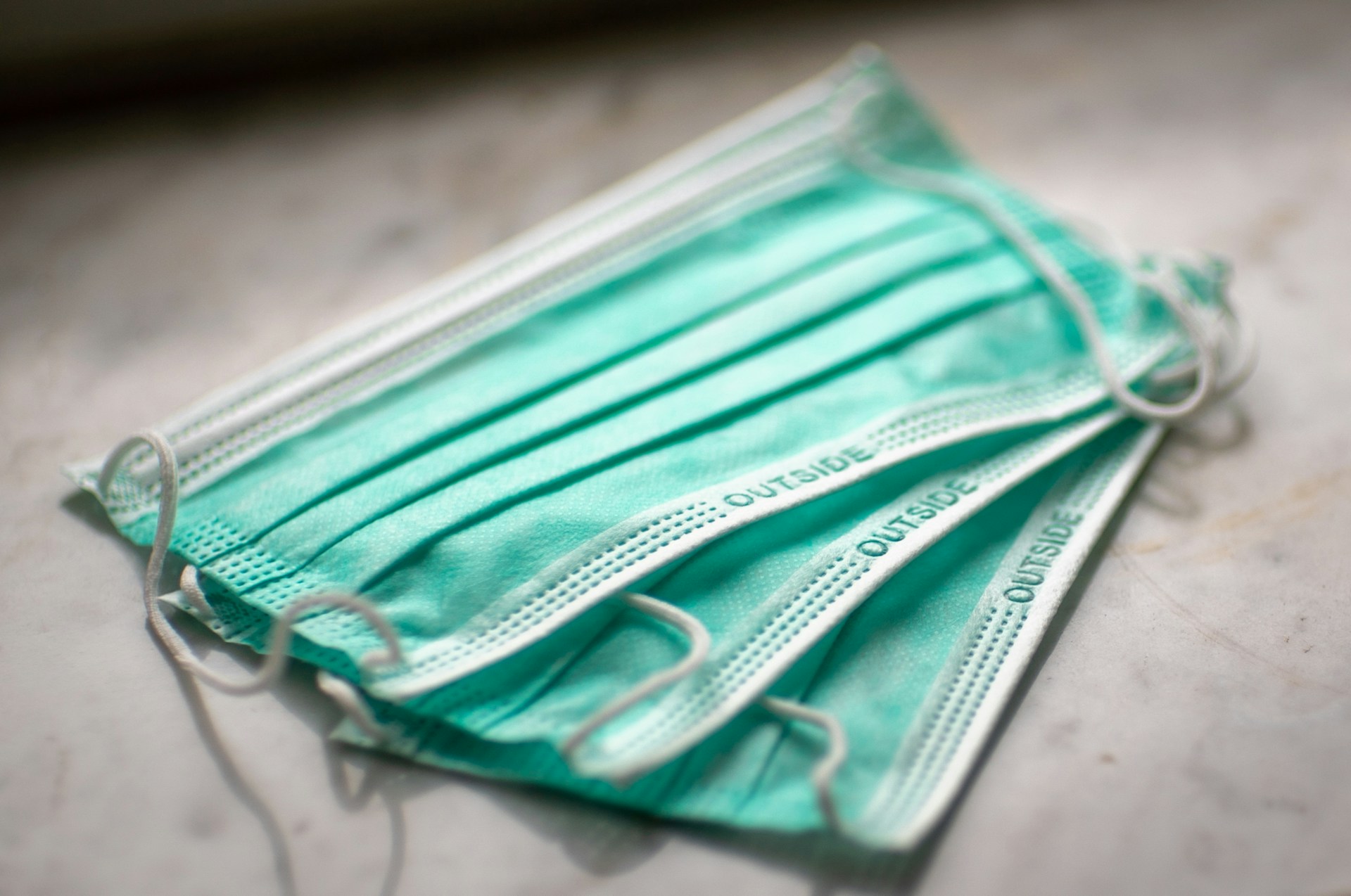
As the world quietly crosses the six year mark since the earliest known cases of COVID 19, many people are reflecting on how everything began. It feels distant now, but those late weeks of 2019 still sit in our collective memory, shaping how we move through public spaces, trust information, and even understand global health.
The First Signs In Wuhan
The earliest widely documented patient was a 55 year old man from Wuhan. At the time, his illness seemed unusual, but not alarming. Within weeks, however, more people began presenting with a mysterious form of pneumonia. Many of the cases were linked to a busy seafood and live animal market, and suddenly a local health concern became a global headline.
Some researchers now believe the virus may have been circulating earlier than we realised, possibly as far back as mid November. Still, it was those clusters in December that forced the world’s attention.
The Shock That Followed
China’s containment measures were unlike anything most people had ever seen. Entire cities locked down overnight. Streets emptied. Global travel faltered. And for many outside Asia, it felt surreal until the virus began spreading rapidly across Europe.
Northern Italy became one of the first major epicentres. Images from Lombardy hospitals still linger today: overwhelmed wards, exhausted nurses, sirens echoing through towns. Those scenes were a turning point for many South Africans watching from afar, wondering if and when the virus would reach our shores.
When COVID Reached South Africa
South Africa’s first confirmed case was linked to a traveller returning from Italy. That moment changed the country instantly. Commentators often say the nation shifted from watching the pandemic to living it.
Lockdowns soon followed. Families were separated. Businesses shut their doors. Schools scrambled to adapt. Even today, people remember the panic buying, the long queues, the alcohol bans, and the eerie silence of deserted highways.
Despite public fatigue and understandable frustration, health experts remind us that millions of people died globally, and that the real toll was likely far higher than what official numbers captured.
What South Africans Are Saying Now
On social media, the six year reflection has stirred mixed emotions.
Some users shared gratitude for surviving those early fears. Others posted tributes to loved ones lost. Many admitted they still don’t feel we’ve fully recovered, emotionally or economically.
A popular comment making the rounds on X summed it up:
“COVID didn’t just change the world. It changed the way we see the world.”
The Questions That Remain
Digital Content Editor Barbara Friedman put it plainly: there are still countless gaps in our understanding. How early did the virus truly circulate? Could the world have acted faster? What long term effects are we still living through?
Her reflection echoes what many people feel: uncertainty mixed with exhaustion, but also an awareness of how deeply the experience reshaped society.
Six years on, the world moves forward, but the memory of those first cases in Wuhan remains a reminder of just how quickly life can change.
{Source:EWN}
Follow Joburg ETC on Facebook, Twitter , TikTok and Instagram
For more News in Johannesburg, visit joburgetc.com