News
South Africa sidelined from G20 as US denies access to key finance meeting
South Africa sidelined from G20 as US denies access to key finance meeting
South Africa’s place on the global stage has taken an unexpected hit and it’s not just political theatre. It’s playing out in boardrooms where economic decisions are made.
In a move that’s raised eyebrows both locally and internationally, the United States has refused to accredit South African officials for an upcoming G20 finance meeting in Washington. That effectively sidelines the country from one of the world’s most influential economic forums at least for now.
A quiet exclusion with loud implications
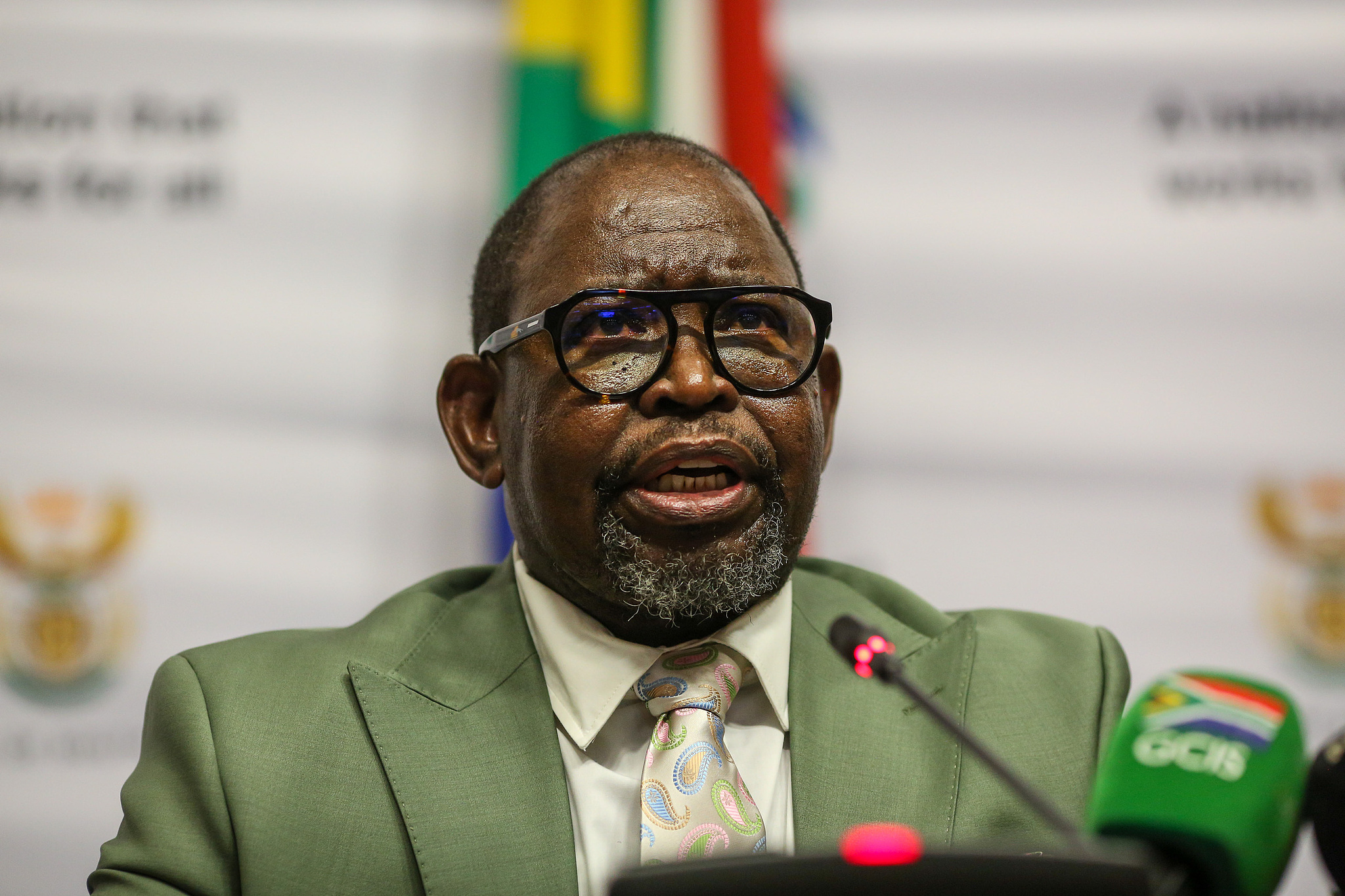
Finance Minister Enoch Godongwana confirmed that neither he nor Reserve Bank Governor Lesetja Kganyago will attend the meeting.
The reason? South Africa simply hasn’t been accredited by the host country.
It’s an unusual situation for a nation that is still formally a member of the G20 a group that shapes global economic policy.
Godongwana struck a calm tone, describing the absence as something of a “break” from proceedings this year. But behind the diplomatic phrasing lies a deeper tension.
How relations between Pretoria and Washington unravelled
The fallout didn’t happen overnight.
Tensions between South Africa and the US have been building for months if not longer. When South Africa hosted the G20 leaders’ summit in Johannesburg, the US notably chose not to attend, signalling a clear diplomatic rift.
At the centre of the disagreement are controversial claims made by Donald Trump, who has repeatedly accused South Africa of ignoring alleged human rights abuses against Afrikaners claims widely disputed within the country.
Those remarks didn’t just stir political debate; they reshaped diplomatic engagement.
Soon after, US Secretary of State Marco Rubio indicated that Washington was considering excluding South Africa from parts of the G20 process altogether even suggesting alternative partners.
Now, that possibility appears to be playing out in real time.
Why the G20 matters more than it seems
For many South Africans, the G20 might feel distant a gathering of global elites far removed from everyday life.
But decisions made there have real consequences:
- Interest rate trends
- Global trade conditions
- Investment flows into emerging markets like South Africa
Being absent from those conversations, even temporarily, could mean less influence over policies that directly affect the local economy.
In simple terms:
If you’re not in the room, your voice isn’t part of the deal.
Social media reaction: concern, confusion, and politics
Online, the response has been mixed.
Some South Africans see the exclusion as a diplomatic misstep that could hurt economic prospects. Others view it through a political lens, blaming both local leadership and US foreign policy.
A recurring sentiment on X (formerly Twitter):
“We can’t afford to be isolated right now not with the economy the way it is.”
At the same time, some voices argue South Africa should remain firm in its independent foreign policy stance, even if it creates friction.
A pause, not a permanent exit?
Despite the setback, South Africa isn’t being formally removed from the G20.
The group operates on a rotating presidency system, and leadership will shift to the United Kingdom later this year. That transition could reopen doors for Pretoria’s participation.
For now, though, 2026 may go down as a year where South Africa’s G20 involvement was at least partially put on hold.
The bigger picture: diplomacy in a changing world
This moment reflects a broader shift in global politics.
Relationships between major powers and emerging economies are becoming more complex, often shaped by:
- Political narratives
- Strategic alliances
- Competing economic interests
For South Africa, balancing its global relationships from the US to BRICS partners has always been delicate.
This latest development shows just how quickly that balance can tilt.
More than just a missed meeting
It’s easy to see this as a technical issue accreditation denied, meeting missed.
But it’s bigger than that.
It’s about influence, perception, and South Africa’s role in a rapidly changing global order.
And as the country watches from the sidelines this time, the real question is:
how and how quickly, does it get back into the room where the decisions are made?
{Source: The Citizen}
Follow Joburg ETC on Facebook, Twitter , TikTok and Instagram
For more News in Johannesburg, visit joburgetc.com