
News
Stagnation, Not Growth: FFC Warns South Africa’s Economy Is Trapped in Stagflation
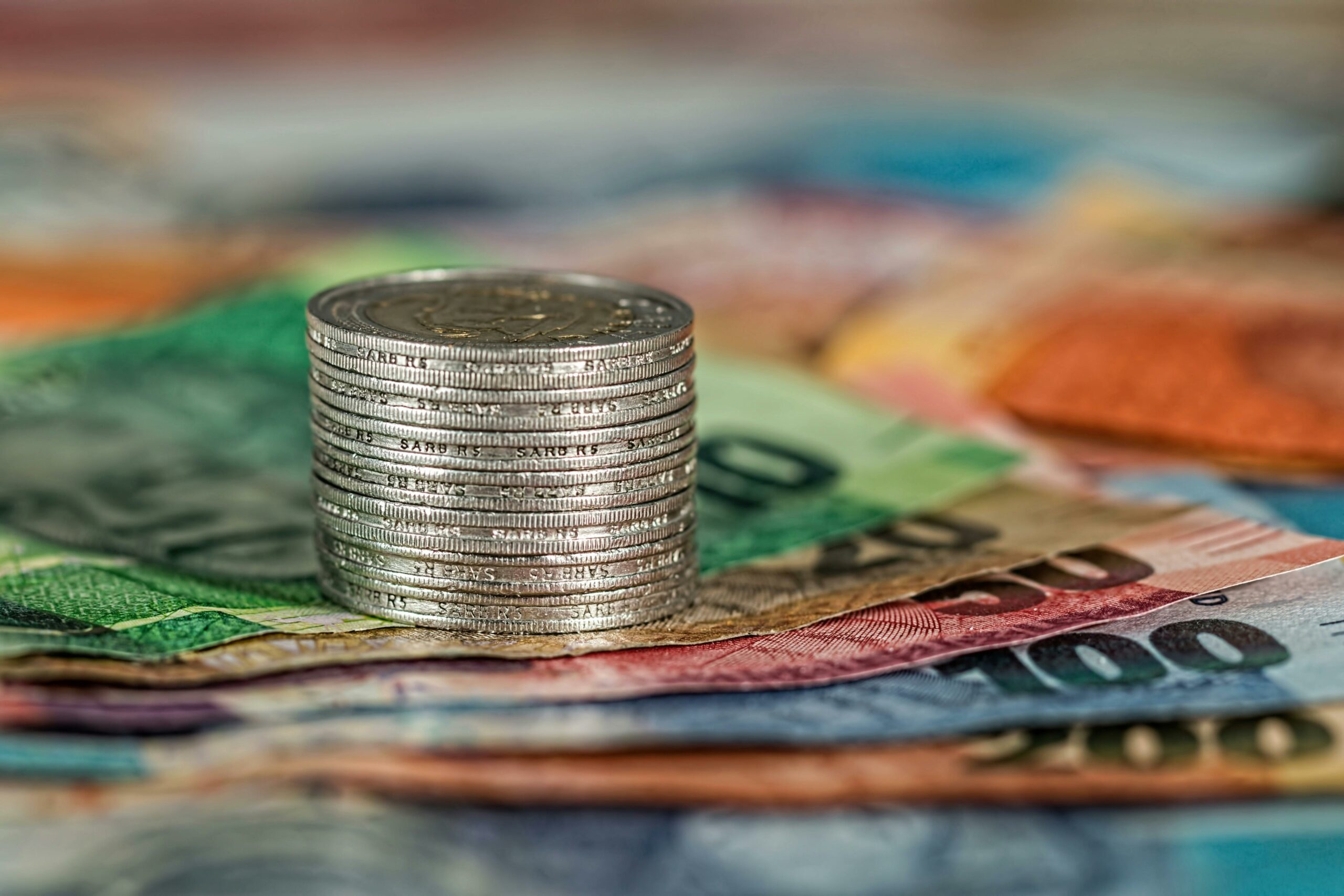
South Africa’s economy is showing signs of stagflationdespite lower inflation, growth remains dangerously stagnant.
That is the warning from the Financial and Fiscal Commission (FFC) , which presented its post-budget analysis to Parliament.
The Numbers
Chen-Wei Tseng, FFC Head of Research, laid out the concerning data:
-
Real GDP growth in the third quarter of 2025 was only 0.5% annualised
-
Nominal GDP growth was 2.3% driven largely by price increases, not actual production
-
Inflation, while numerically low (under 4%), remains “elevated in the current context”
“These data points strongly suggest the economy is exhibiting features of stagflation, characterised by stagnant growth,” Tseng said.
The Cause
The FFC traced the stagnation to years of wasteful fiscal expansion and fruitless borrowing directed toward unproductive expenditure.
The result: escalating debt-servicing costs that generate no economic returns, leading to a stagnant economy.
The Productivity Problem
Key factors of productionemployment, capital, and total factor productivityreveal that underlying productivity remains low and below what is needed to strengthen economic performance.
“There is evidence of persistently near-zero levels of capital stock contribution to real growth in the economy,” the FFC said.
The message: neglected infrastructure requires urgent attention.
The Growth Forecasts
Treasury estimates the economy will grow at 1.6% in 2026, rising to 2.2% in 2028.
But the FFC is less optimistic. Its own forecasts estimate real GDP growth will trend downward over the medium term.
“The estimated growth forecasts are below the threshold needed to meaningfully tackle unemployment and expand South Africa’s tax base.”
The Debt Burden
Debt-service costs continue to risefrom R420.6 billion last year to R469.3 billion in 2028/29.
Total maturing debt in 2026/27: R131.4 billion (6.3% of total revenue).
By 2027/28, that’s expected to increase to R274.2 billion (13.2% of revenue).
“Servicing public debt remains a significant challenge to restoring fiscal credibility in South Africa and continues to pose a risk that must be properly managed to prevent a debt spiral or liquidity challenges.”
The Consolidation Paths
The FFC outlined two fiscal consolidation scenarios:
-
Short-term (3 years): Cap expenditure growth at 0.7% to achieve a balanced budget by 2028/29
-
Medium-term (5 years): Cap expenditure growth at 3.1% until 2030/31
The Bottom Line
Stagnant growth. Low but “elevated” inflation. Near-zero productivity. Rising debt costs. And a choice between harsh austerity or slower consolidation.
South Africa’s economy is not in crisisbut it is stuck. And as the FFC warns, reversing this trend will require eliminating wasteful spending, reallocating funds to productive investments, and ensuring those reallocations are strategic.
Otherwise, stagnation becomes the new normal.
{Source: IOL}
Follow Joburg ETC on Facebook, Twitter , TikTok and Instagram
For more News in Johannesburg, visit joburgetc.com


