
News
South Africa Celebrates First Leadless Pacemaker Implantation
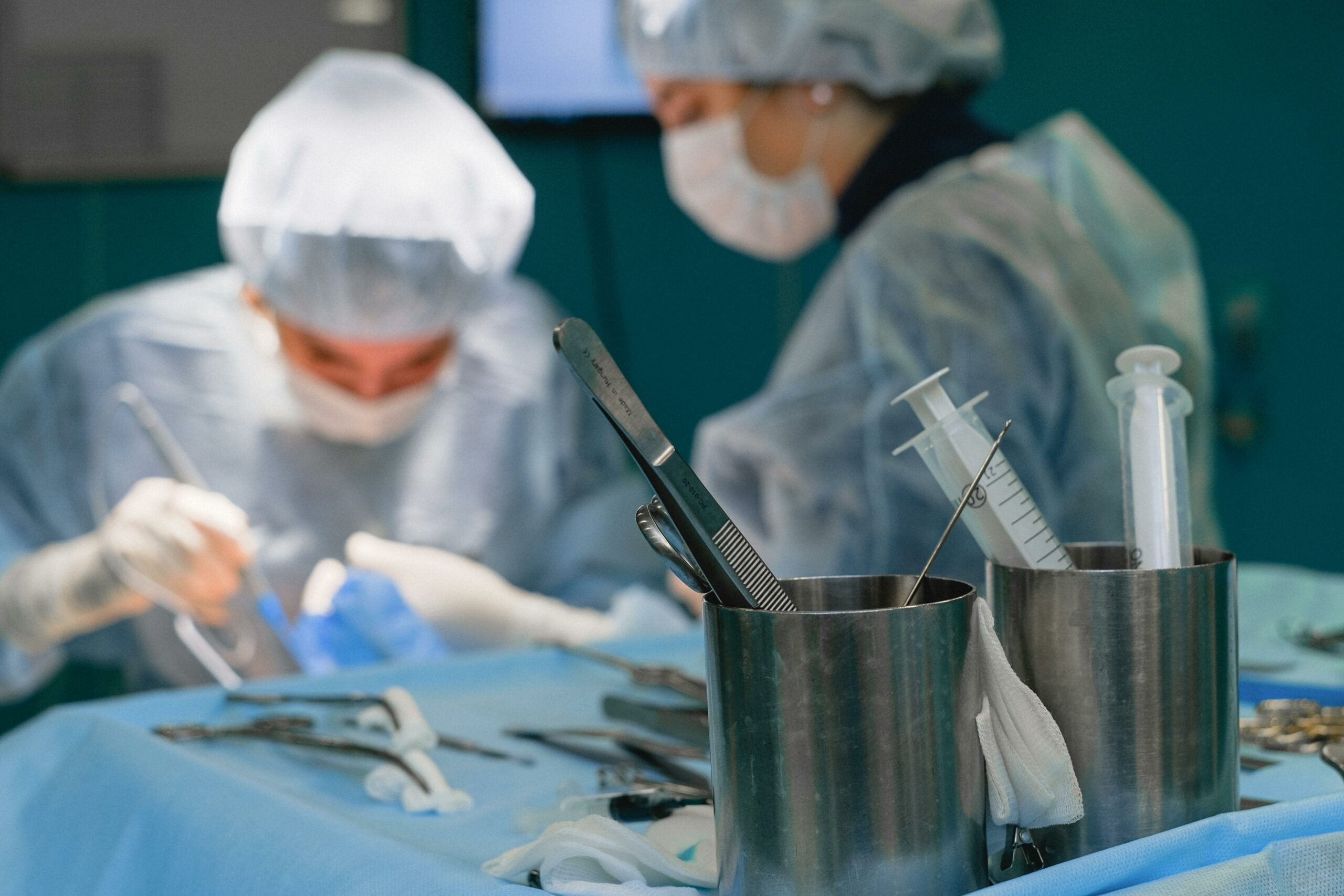
South Africa Celebrates First Leadless Pacemaker Implantation
In a milestone moment for South African cardiology, doctors at Netcare Unitas Hospital have successfully implanted the country’s first leadless pacemaker, ushering in a new era of safer and more efficient heart rhythm management.
The procedure, performed in November 2025 by cardiologist Dr Jean Vorster and electrophysiologist Dr Jane Moses, represents a significant leap from traditional pacemakers, which rely on wiresor leadsthreaded through veins to regulate the heartbeat.
A Tiny Device, Big Impact
The AVEIR VR leadless pacemaker is remarkably smallsmaller than a AAA batteryand fits entirely within the lower right ventricle of the heart. By eliminating leads, it addresses some of the most common complications associated with conventional pacemakers, such as infections, dislodged leads, and lead fractures caused by the heart’s constant movement.
Dr Vorster, speaking about the patient’s recovery, said, “I saw him recently; he’s not even aware of the technology and what it does, which is exactly what it should be.”
This seamless integration into the heart muscle reflects a growing trend in South Africa and globally: medical devices that work quietly in the background, enhancing quality of life without daily intervention or patient awareness.
Global Technology, Local First
While leadless pacemakers have been used in Europe for several years, South Africa is now catching up. “We do lag behind with these types of technologies,” Dr Vorster noted, highlighting the significance of local medical adoption.
The move signals South Africa’s commitment to embracing cutting-edge cardiology technologies, offering patients more options for long-term cardiac care.
Longevity Meets Cost
A single AVEIR VR device can last 15 to 20 years, potentially reducing the need for repeated surgeries. Yet, as with many innovative medical solutions, cost remains a challenge.
“A standard single-chamber pacemaker costs around R30,000,” said Vorster. “This device costs approximately R300,000.” While prohibitive for many patients, early adoption often paves the way for wider availability and eventual price reduction over time.
Social Media Buzz
South African medical communities and patients have responded enthusiastically on social media. Many users celebrated the advancement as a sign that local healthcare is keeping pace with international standards. Some patients living with arrhythmias have expressed hope that leadless pacemakers may soon become more accessible, especially in public healthcare settings.
A Safer Future for Heart Patients
Beyond the cost and novelty, the leadless pacemaker represents a tangible improvement in patient safety and comfort. Without leads, the risk of device-related complications drops significantly, meaning patients can live more active, unrestricted lives.
“This is a pacemaker that does not make use of any leads. We plug it directly into the heart muscle,” said Vorster. “It’s exciting to see South African patients benefiting from technologies that were once only available abroad.”
With this first successful implantation, South Africa joins the ranks of countries offering patients smarter, smaller, and safer heart devicesan encouraging sign for cardiac care in the region.
{Source: EWN}
Follow Joburg ETC on Facebook, Twitter , TikTok and Instagram
For more News in Johannesburg, visit joburgetc.com


