Fuel price hike adds fresh strain to already stretched South African households
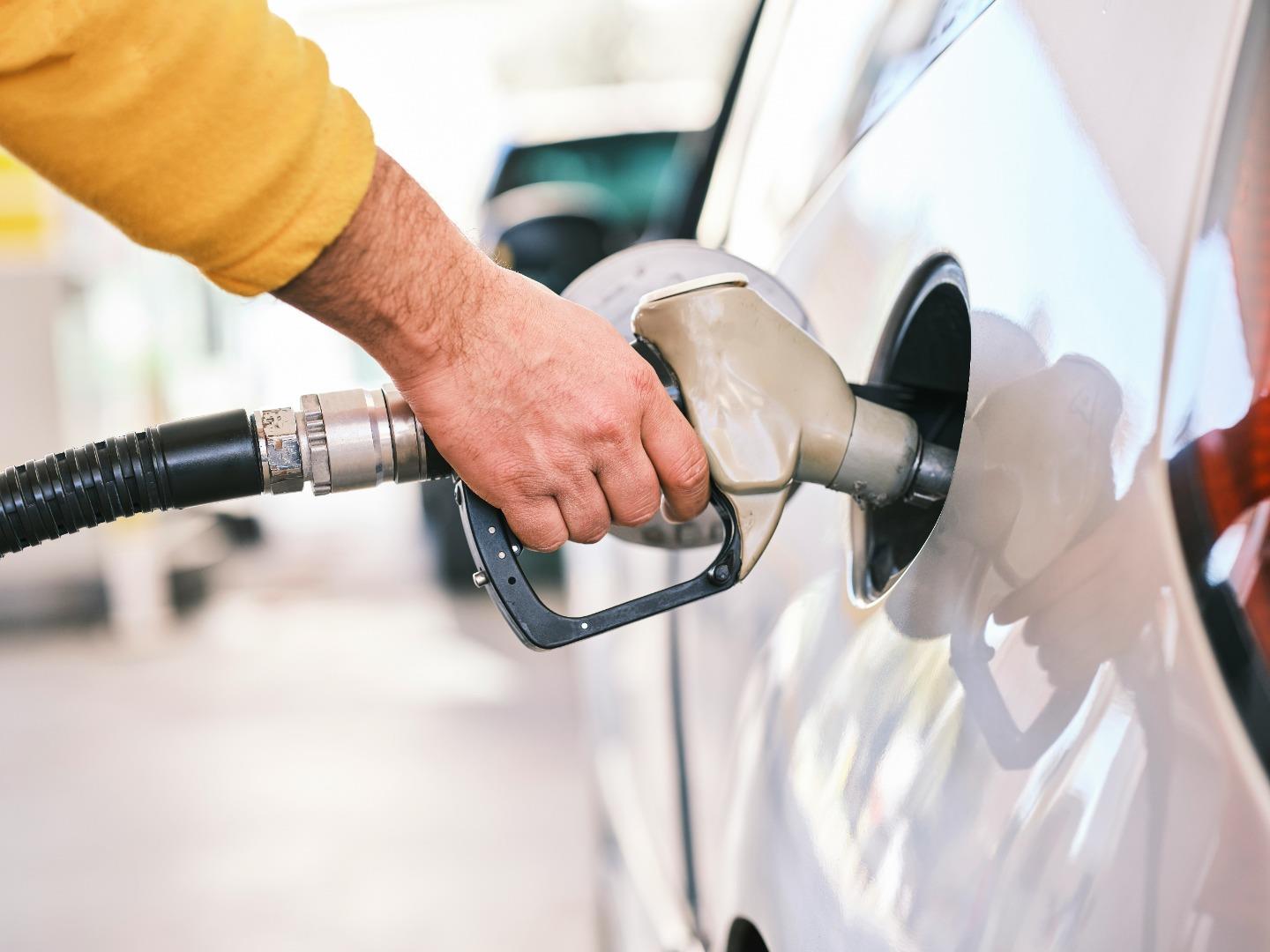
Just as many South Africans were starting to hope for a little breathing room in 2026, the petrol pumps delivered another reality check.
From March, motorists will pay more at the pump and while the increases may look modest at first glance, economists warn the ripple effects could be anything but small.
What’s changing at the pumps?
Minister of Mineral and Petroleum Resources Gwede Mantashe confirmed this week that fuel prices will rise as follows:
-
Petrol 93 (ULP & LRP): up by 20 cents per litre
-
Petrol 95 (ULP & LRP): up by 20 cents per litre
-
Diesel (0.05% sulphur): up by 62 cents per litre
-
Diesel (0.005% sulphur): up by 65 cents per litre
Behind these adjustments is a jump in the average Brent crude oil price, which climbed from $64.08 (R1033) to $69.08 (R1114) during the review period.
Mantashe pointed to higher global shipping rates and geopolitical tension between the United States and Iran particularly uncertainty around the Strait of Hormuz, a critical oil supply route as key drivers of the increase.
In other words, events thousands of kilometres away are quietly shaping what South Africans pay at their local forecourt.
Why a “small” increase isn’t small
Neil Roets, CEO of Debt Rescue, believes the timing could not be worse.
He argues that fuel is woven into the cost of nearly every essential item. When transport costs climb, food prices follow. Delivery fees rise. School transport becomes more expensive. Even basic services edge upward.
“Consumers feel it almost immediately,” Roets warns.
South African households are already juggling high food prices, elevated interest rates and persistent debt repayments. With the repo rate sitting at 6.75%, many homeowners and car owners are still paying significantly more on their monthly instalments than they did a few years ago.
There’s very little slack left in the system.
Easter travel under pressure
The increase lands just weeks before Easter, traditionally a time when families travel to reconnect with loved ones. For many, especially those living far from their hometowns, the cost of fuel alone can make the trip daunting.
On social media, frustration is building. Some users have joked about “Easter at home” becoming the new norm, while others share tips on lift clubs and fuel-saving hacks. What was once a routine road trip now requires careful budget planning.
Roets says for millions, even short-distance travel is becoming financially unviable. What should be a break from stress is instead another line item to worry about.
The global picture complicates things
Economists say the concern doesn’t stop at the petrol station.
Frank Blackmore, Lead Economist at KPMG South Africa, notes that markets have already reacted to global tensions. Oil and gold prices have climbed, the rand has weakened, and the dollar has strengthened.
These shifts matter because a weaker rand makes imported goods, including fuel, more expensive.
There had been growing expectations that 2026 would bring gradual relief in the form of repo rate cuts, potentially lowering borrowing costs later this year and into early 2027. With inflation relatively contained and modest economic growth projected, some analysts predicted the rate might dip to 6.5%.
But renewed geopolitical instability could complicate that path. If inflationary pressures rise again, the South African Reserve Bank may hesitate to loosen monetary policy as quickly as hoped.
A fragile financial balance
The real story here isn’t just about cents per litre. It’s about cumulative pressure.
Each increase, whether in fuel, food, electricity or loan repayments, chips away at disposable income. For heavily indebted households, that erosion can push budgets from tight to untenable.
Roets is urging consumers who feel overwhelmed to seek financial advice sooner rather than later. Early intervention, he says, can prevent long-term damage.
South Africans have become accustomed to navigating economic turbulence, from load shedding to interest rate hikes. But resilience has its limits.
This latest fuel price hike serves as a reminder of how interconnected the global economy is and how quickly external shocks can land on local doorsteps.
For now, motorists will adjust their budgets, fill up with a little more caution and hope that relief isn’t too far down the road.