Business
South Africa warned of petrol queues as global tensions threaten fuel supply
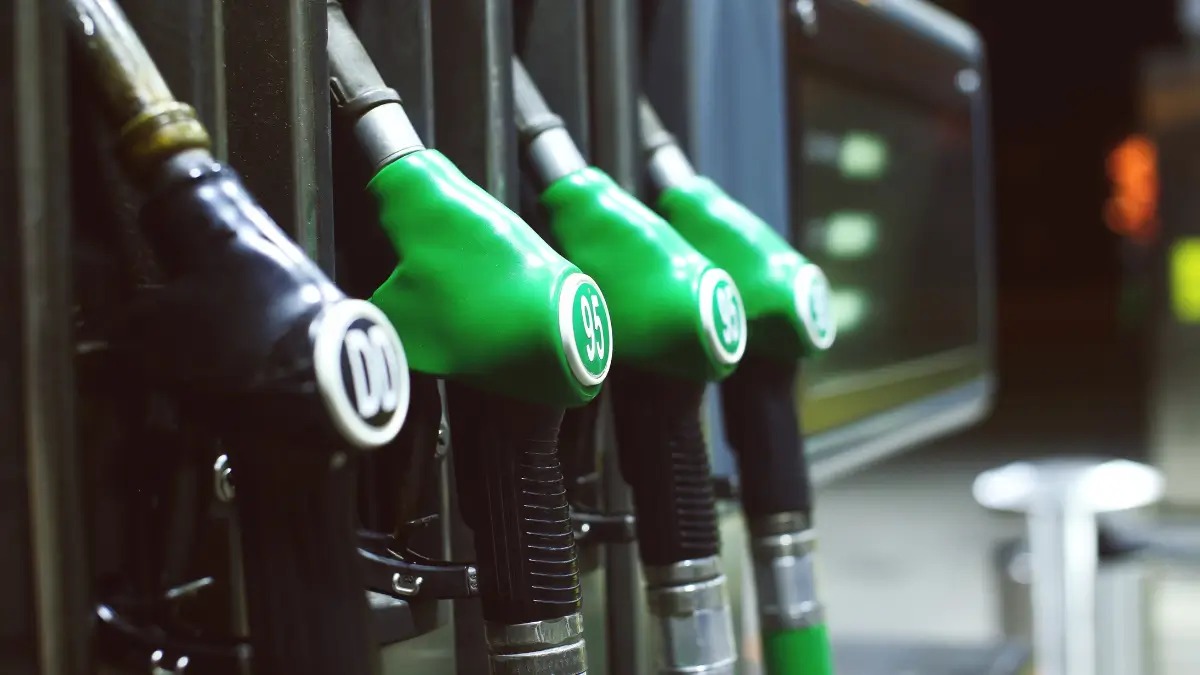
For now, petrol stations across South Africa are still operating normally. Cars pull in, tanks fill up, and drivers head back onto the road without much thought about where the fuel actually comes from.
But behind the scenes, energy experts and industry leaders are watching global events closely. Escalating tensions in the Middle East have triggered warnings that the country’s fuel system could face pressure if international supply routes are disrupted.
Officials stress there is no immediate shortage. Still, the situation has exposed how dependent South Africa has become on imported oil and overseas refining.
Fuel supply stable for now, officials say
The Department of Mineral and Petroleum Resources has reassured the public that there is currently no immediate threat to South Africa’s fuel availability.
Industry groups agree. The Fuels Industry Association of South Africa says supplies remain stable and the market is functioning normally.
However, fuel companies have already started implementing controlled allocation measures. These are designed to ensure that petrol and diesel are distributed evenly across the country.
Unplanned bulk purchases have also been restricted. The aim is to prevent panic buying, speculation, and stockpiling that could place sudden strain on the system.
Fewer refineries leave the country exposed
Part of the concern comes from changes in South Africa’s refining capacity over the past few years.
Today, only two crude oil refineries are operational in the country. These are the NATREF refinery and Astron Energy’s refinery in the Western Cape. Alongside them is the Sasol Secunda plant, which produces fuel using coal-to-liquids technology.
Two major refineries that once supplied large portions of the local market have shut down permanently.
Energy expert Professor Vally Padayachee says this reduced capacity leaves the country more vulnerable than before.
South Africa relies heavily on imported crude oil. If global supply chains are disrupted or shipping routes are affected by conflict, fuel deliveries could slow down.
In a worst-case scenario, this could lead to rationing or long queues at petrol stations.
Where South Africa actually gets its oil
Despite concerns about the Middle East conflict, South Africa does not rely heavily on oil from that region.
Only around 18 percent of crude oil imports come from Saudi Arabia. Much of the country’s supply is sourced from West African producers such as Nigeria, Angola, and Ghana.
A significant portion of fuel is also produced locally through Sasol’s coal-to-liquids process, which accounts for roughly 40 percent of supply.
The challenge lies elsewhere. Because of reduced local refining capacity, a growing share of petrol is imported as already refined fuel. This means South Africa depends on refineries overseas, particularly in countries such as India and the United Arab Emirates.
If global refining hubs are disrupted, the effects could reach South African pumps fairly quickly.
Industry monitoring the situation daily
To stay ahead of any potential disruption, industry players are stepping up coordination.
The Fuels Industry Association and key stakeholders, including the DMPR, Transnet, LPG wholesalers, and oil companies, have been meeting regularly to track developments.
From 16 March 2026, these discussions will move to daily coordination meetings to allow faster decision-making if the situation changes.
Oil companies are also exploring alternative supply routes and sources in case existing import channels become unstable.
The bigger worry may be fuel prices
Even if supply remains steady, South Africans may still feel the impact in another way.
Higher global oil prices often translate into higher domestic fuel costs. Experts warn that a prolonged conflict affecting key shipping routes could push petrol prices significantly higher.
Some estimates suggest prices could rise by around R3 per litre if the conflict escalates and major routes such as the Strait of Hormuz remain disrupted.
For a country that relies heavily on road transport to move goods, the knock-on effects could spread quickly through the economy.
Why transport costs matter for everyone
The Road Freight Association says fuel price increases ripple through almost every part of the economy.
Transport companies face difficult decisions when fuel becomes more expensive. They can raise delivery rates, which increases prices for consumers, or absorb the cost and risk damaging their cash flow.
Either way, shoppers eventually feel the impact.
Supply chain experts warn that higher fuel costs could push up the price of everyday goods, placing further strain on households already dealing with rising living expenses.
Concerns also growing around LPG supply
Another potential pressure point is liquefied petroleum gas, commonly used for cooking and heating.
Industry leaders say LPG supply is currently stable. However, concerns are emerging as winter approaches and demand traditionally increases.
Experts say maintaining adequate reserves and strengthening local production will be critical to avoid shortages during peak demand periods.
Calls for a stronger long-term energy strategy
Many analysts say the current situation highlights a deeper issue. South Africa’s energy security depends heavily on imports and limited refining capacity.
Professor Padayachee believes the country should learn lessons from the electricity crisis and take a broader approach to fuel security.
This could include expanding refining capacity, building stronger strategic reserves, and investing more aggressively in renewable energy.
Diversifying the country’s energy mix would reduce dependence on volatile international markets.
No need for panic, but awareness matters
Despite the warnings, officials are urging calm.
Industry leaders say there is no reason for motorists to panic or rush to fill tanks.
The message from policymakers is simple. Stay informed, understand the risks, and allow industry and government to manage the situation.
For now, the pumps are still flowing. But the global energy landscape is shifting quickly, and South Africa is watching closely.
Follow Joburg ETC on Facebook, Twitter, TikT
For more News in Johannesburg, visit joburgetc.com
Source: IOL
Featured Image: Gauteng Tourism Authority