News
South Africa Steps Back From G20 As US Blocks Participation
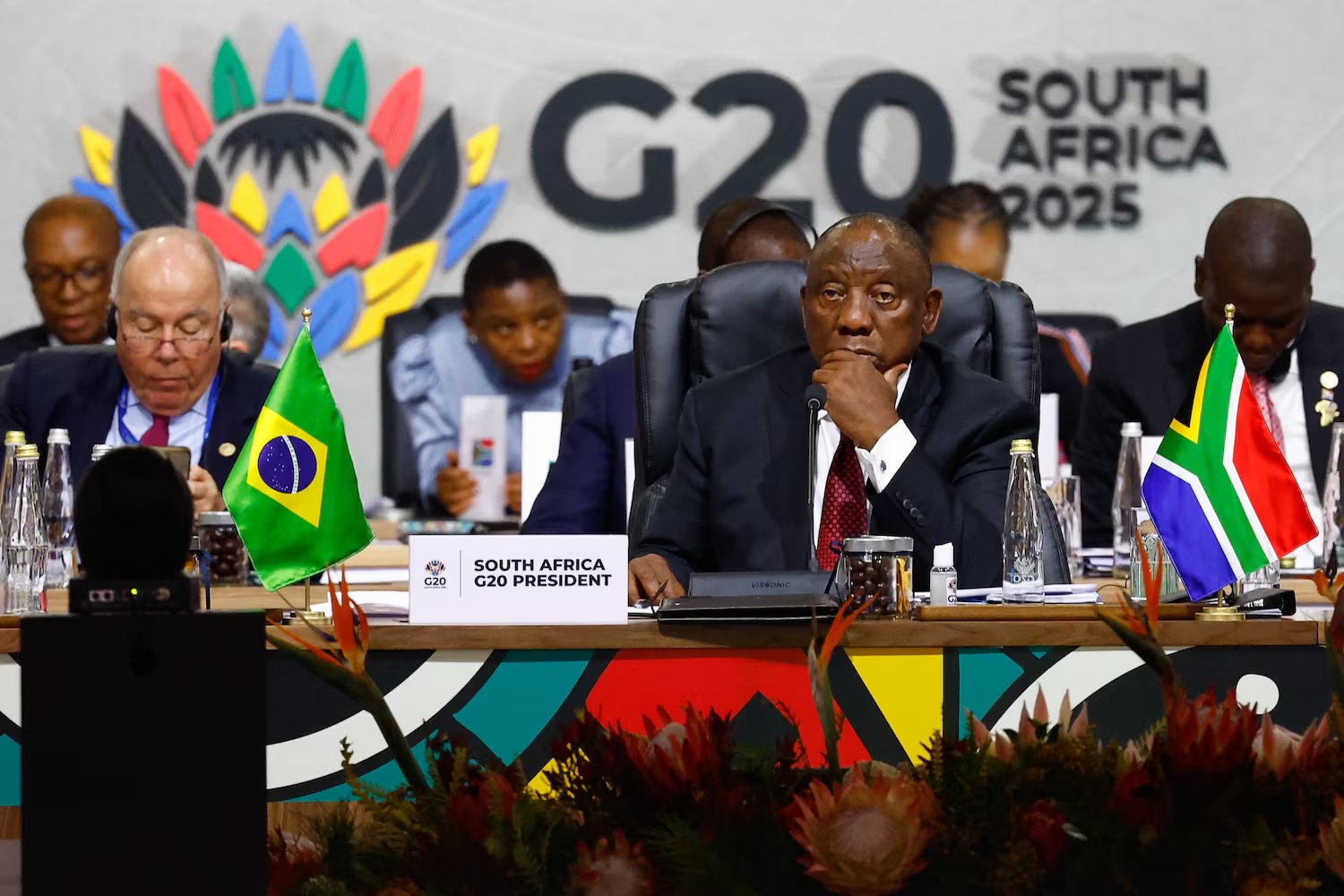
South Africa is preparing to sit out the G20 for a year after the United States, which has just assumed the presidency of the global economic bloc, made it clear that Pretoria would not be welcome. It is an unprecedented diplomatic moment for the country, one that has sparked concern, frustration and a fair amount of commentary at home.
A Frosty Handshake On The Global Stage
Washington took over the year-long G20 presidency in December and immediately confirmed its stance. The US had already distanced itself from South Africa’s tenure throughout 2025, opting out of key engagements including the main summit in November.
By the time Secretary of State Marco Rubio publicly repeated that South Africa would not be invited to the 2026 meetings, citing political grievances and even recycling claims about discrimination against the Afrikaner minority, the message was unmistakably firm.
For Pretoria, the ban is not only a diplomatic snub but a symbolic escalation in what has become a tense relationship with the current US administration.
Pretoria’s Calm Response: “We’ll Wait This One Out”
Presidential spokesperson Vincent Magwenya responded with a tone that blended humour with resignation, saying South Africa would simply “take a commercial break” before returning when the G20 presidency moves to Britain in 2027.
His message signalled that Pretoria is not expecting an international lobbying effort on its behalf, nor is it interested in a diplomatic showdown. The government’s stance suggests it is prepared to weather the storm rather than fight it.
A Country Watching Closely
In South Africa, reactions have been swift. Political analysts say the incident adds strain to an already complicated relationship between Pretoria and Washington. Social media, meanwhile, has been a mix of disbelief, anger and irony.
One popular post on X joked that South Africa was being treated like a character written out of a TV series for a season, while another argued that the ban should push Pretoria to build deeper alliances elsewhere. Some commenters expressed worry about the economic implications of missing a year’s worth of high-level discussions, especially at a time when global competition and trade realignments are intensifying.
What This Means For South Africa’s Global Role
South Africa has long held a unique seat in the G20 as the only African member. Its exclusion raises bigger questions about equitable global representation, especially for developing economies.
Historically, the G20 has been a space where major economies and emerging markets can negotiate and influence global financial policy. South Africa’s absence next year means missing critical conversations about debt reform, climate financing and global trade shifts.
At the same time, observers note that the G20 has continued to evolve, with new geopolitical tensions shaping its influence and cohesion. Pretoria’s temporary exit might not reshape the body, but it will be felt.
Looking Toward 2027
For now, South Africa waits. The decision to take a step back rather than retaliate suggests a strategic pause, one shaped by political reality and the hope of a less hostile environment under the UK presidency.
Until then, the country’s diplomatic watchers will be keeping an eye on whether this conflict remains a one-season storyline or marks the beginning of a longer geopolitical shift.
{Source:EWN}
Follow Joburg ETC on Facebook, Twitter , TikTok and Instagram
For more News in Johannesburg, visit joburgetc.com